India's education sector is witnessing a historic moment as the country's education minister has stepped down following sustained pressure from a student-led movement that has captured national attention. The resignation marks a significant victory for youth activists who have been demanding reforms in the education system.
The Cockroach Movement Explained
The Cockroach movement represents a new wave of student activism in India, drawing its name from the resilience and persistence associated with the insect. Young protesters adopted this symbolism to represent their determination to survive and thrive despite systemic challenges in the education sector. The movement has gained traction across universities and colleges, particularly among students frustrated with examination systems, curriculum outdated content, and lack of employment opportunities after graduation.
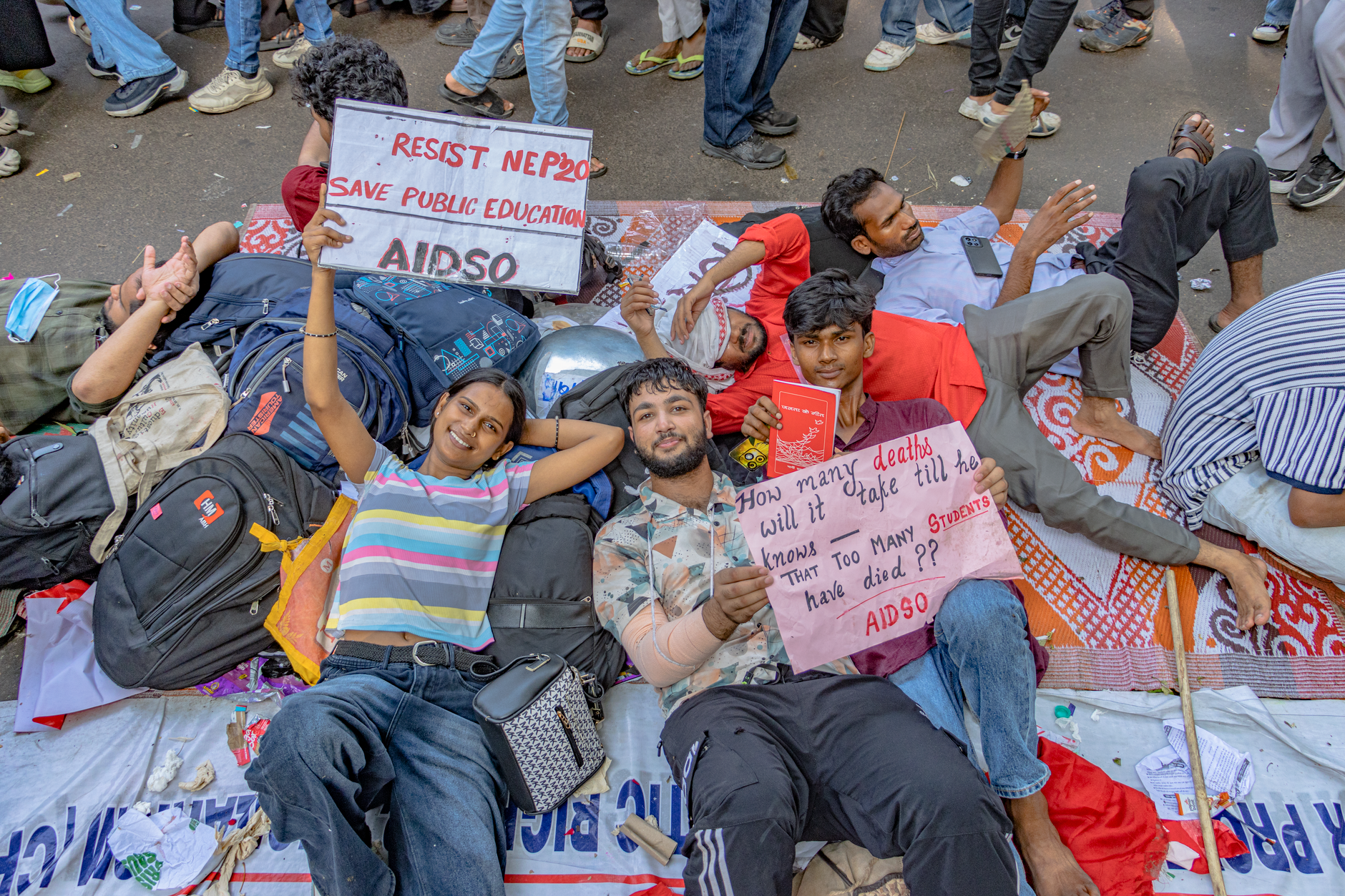
Student activists have organized demonstrations in major cities including Delhi, Mumbai, Bangalore, and Kolkata, with thousands participating in peaceful marches and sit-ins outside government buildings. The movement's demands have resonated with students from diverse backgrounds, creating a rare moment of unity across India's vast educational landscape.
Key Demands of the Protesters
The Cockroach movement has centered its campaign around several core issues that have plagued Indian education for years:
- Reform of the examination system to reduce rote learning and memorization
- Updated curriculum that reflects current industry needs and technological advancements
- Better infrastructure in government schools and colleges
- Increased funding for public education institutions
- Transparent admission processes and merit-based selection
- Mental health support services for students dealing with academic pressure
- Job placement assistance and career counseling programs
What Led to the Minister's Resignation
The education minister faced mounting criticism over the handling of recent examination controversies, including alleged paper leaks and irregularities in competitive entrance tests. These incidents affected millions of students preparing for university admissions and government job examinations, creating widespread anger among young people and their families.
The final trigger appears to have been a series of protests that disrupted normal functioning in the capital, with students refusing to back down despite attempts at dialogue. The minister's inability to provide satisfactory answers to student demands, combined with pressure from opposition parties and civil society groups, made the position untenable.
Broader Context of Education Challenges
India's education system serves over 250 million students, making it one of the largest in the world. However, this massive scale comes with significant challenges. Many government schools lack basic facilities, qualified teachers are in short supply, and the gap between elite private institutions and public schools continues to widen.
The competitive examination system, particularly for engineering and medical colleges, places enormous pressure on students. Coaching institutes have become a parallel education industry, with families spending substantial amounts to prepare children for entrance tests. This system has been criticized for promoting stress and limiting holistic development.
Political Implications
The resignation represents a political setback for the government, demonstrating the power of organized youth movements in India's democracy. Student movements have historically played important roles in Indian politics, from the independence struggle to the anti-corruption protests of recent years.
Opposition parties have supported the Cockroach movement's demands, viewing it as an opportunity to highlight perceived failures in education policy. The government now faces pressure to appoint a replacement who can address student concerns while maintaining stability in the education sector.
What Happens Next
With the minister's departure, attention turns to potential reforms that might be implemented. Student leaders have indicated they will continue monitoring government actions to ensure their demands are addressed substantively rather than through symbolic gestures.
The movement has already announced plans to maintain pressure through continued peaceful demonstrations until concrete policy changes are announced. They have also called for student representation in education policy-making bodies to ensure youth voices are heard in future decisions.
Impact on Students and Institutions
Educational institutions across India are watching developments closely. Some universities have begun discussions with student bodies about local concerns, hoping to prevent further unrest. The movement has also sparked conversations about the need for student unions and representative bodies to have meaningful roles in institutional governance.
For students preparing for examinations, there is hope that reforms might lead to a less stressful and more equitable system. However, immediate changes are unlikely, and students continue to navigate existing structures while advocating for long-term improvements.
The Cockroach movement's success in achieving this resignation demonstrates that sustained, organized youth activism can influence policy at the highest levels in India's democracy.