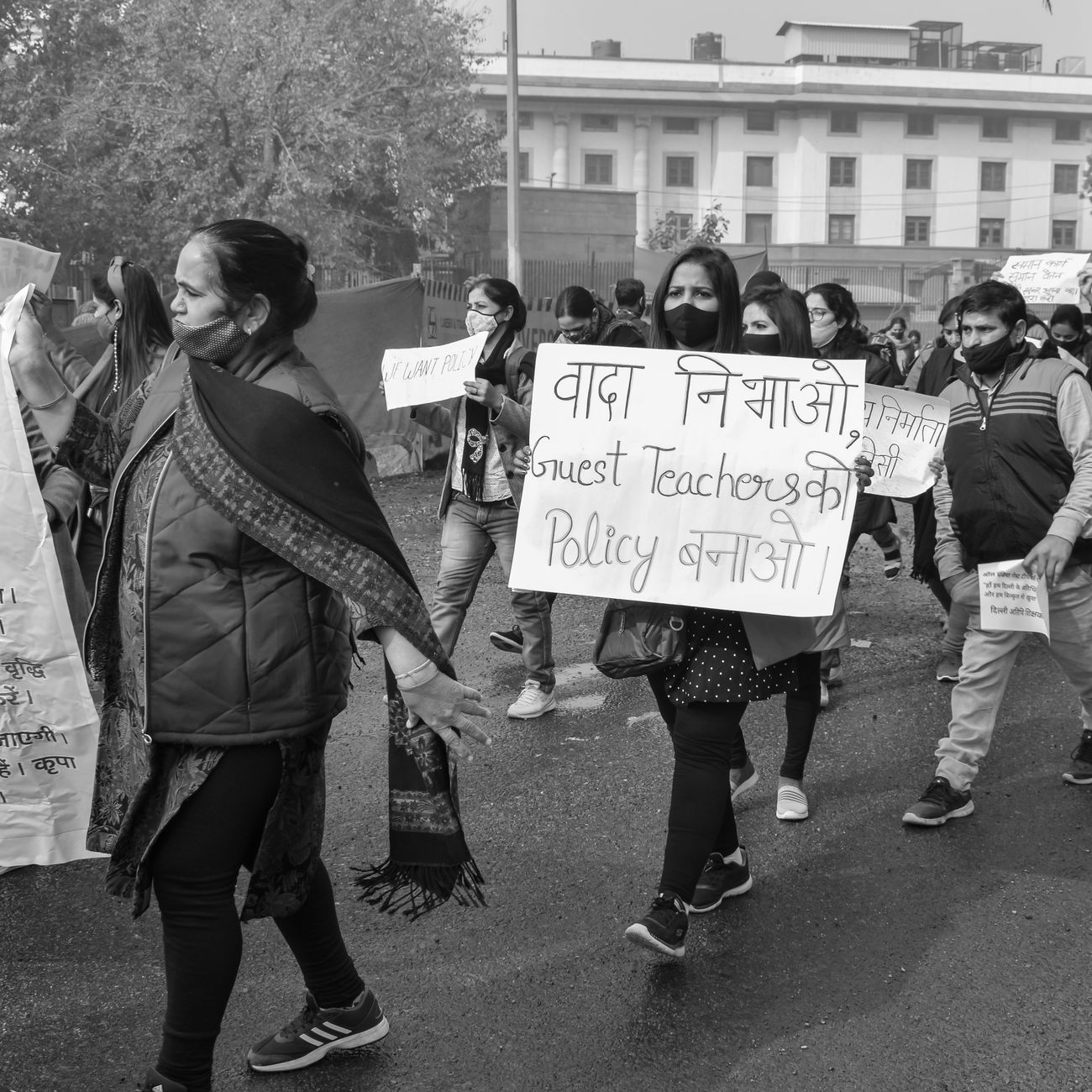
In a significant political development, India's education minister has stepped down from office following weeks of intensive student-led protests that captured national attention. The demonstrations, which gained momentum under the moniker "Cockroach protests," represent a rare instance of sustained civic activism forcing a ministerial resignation in contemporary Indian politics.
The Genesis of the Protest Movement
The protest movement emerged from deep-seated frustrations within India's student community regarding various education-related grievances. Students across multiple cities organized demonstrations demanding accountability and reform in the education sector. The unusual name "Cockroach protests" appears to have been adopted by demonstrators, though the exact symbolism behind this terminology reflects the protesters' creative approach to drawing public attention to their cause.
Student activism has a long and storied history in India, dating back to the independence movement. However, modern protests often struggle to sustain momentum in an era of rapid news cycles and competing narratives. The fact that these demonstrations maintained public pressure for several weeks demonstrates the depth of concern among young Indians about the state of their education system.
Key Issues Driving Student Discontent
India's education sector faces numerous challenges that have accumulated over years of systemic neglect and rapid expansion. The country's educational infrastructure struggles to keep pace with its young, growing population. Several interconnected issues likely contributed to the protest momentum.
Quality concerns remain paramount. Many Indian educational institutions face criticism for outdated curricula, inadequate faculty training, and examination systems that prioritize rote learning over critical thinking. Students increasingly question whether their education prepares them for modern job markets or entrepreneurial ventures.
Access and equity issues persist across the sector. Despite government initiatives to expand educational opportunities, significant disparities exist between urban and rural areas, and between different socioeconomic groups. Reservation policies, fee structures, and admission processes regularly spark heated debates about fairness and merit.
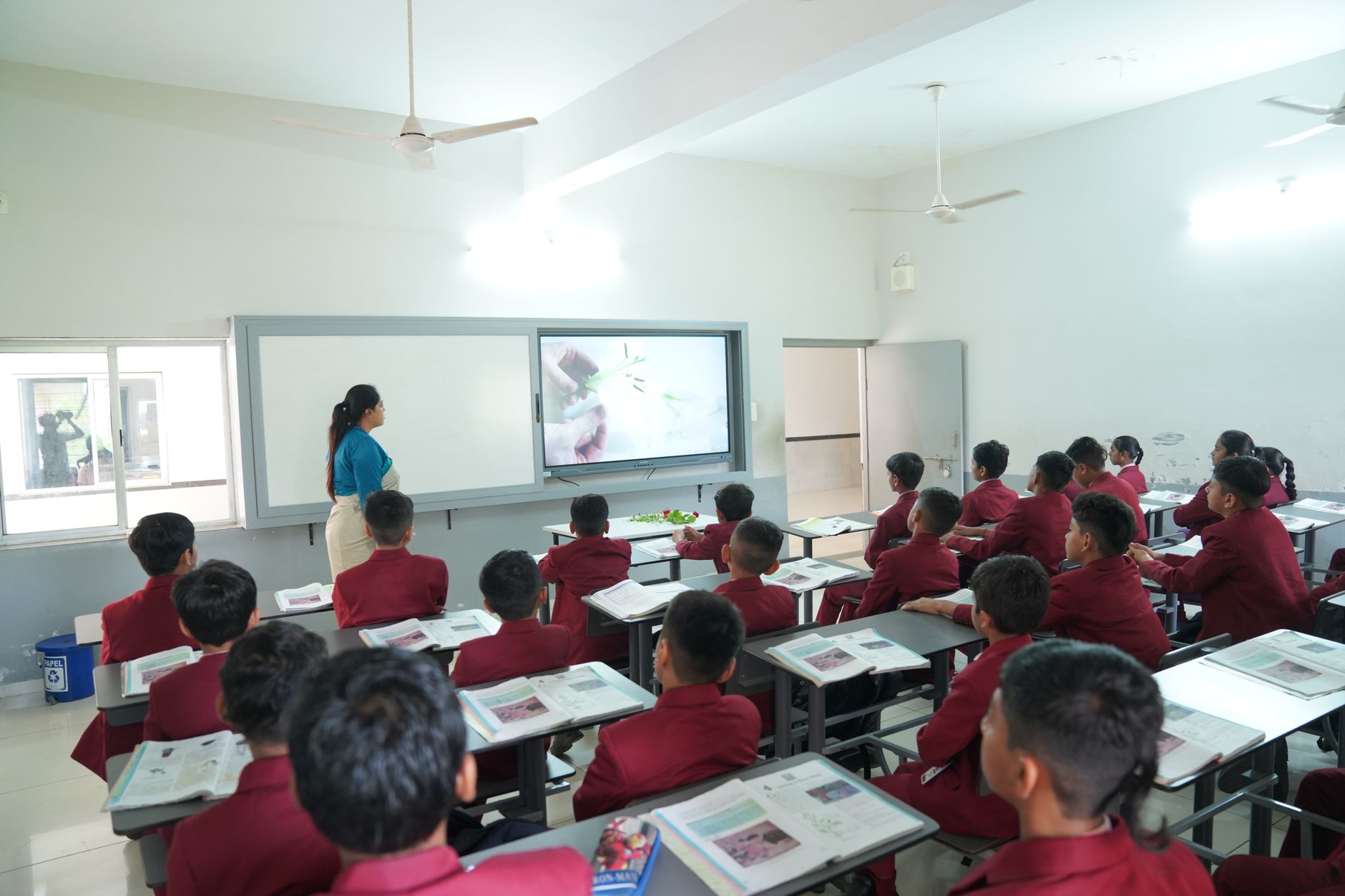
Infrastructure deficits affect learning outcomes nationwide. Classroom shortages, inadequate digital connectivity, insufficient library resources, and poor sanitation facilities characterize many institutions, particularly in tier-2 and tier-3 cities and rural regions.
The Power of Sustained Activism
The success of these protests in forcing a ministerial resignation offers several lessons about effective civic engagement in democratic systems. First, sustained pressure proves more effective than sporadic demonstrations. By maintaining their presence and message over several weeks, students prevented the issue from fading from public consciousness.
Second, clear demands and accountability targets matter. When protesters identify specific officials and concrete policy changes they seek, authorities find it harder to deflect responsibility or offer vague promises of future reform.
Third, creative messaging helps movements gain traction. The "Cockroach" branding, whatever its precise origins, created a memorable hook that media outlets could easily reference, ensuring continued coverage.
Implications for Education Policy
The minister's resignation creates both opportunities and uncertainties for India's education sector. On one hand, it signals that student voices matter and can influence policy decisions at the highest levels. This empowerment may encourage more constructive dialogue between educational authorities and stakeholder communities.
On the other hand, leadership transitions often create policy discontinuities. Any positive initiatives the former minister had undertaken may stall, while new appointees typically require time to understand complex portfolios before implementing meaningful changes.
The incident also raises questions about ministerial accountability standards. While democratic systems benefit when officials face consequences for failures, the precedent of protest-driven resignations could potentially be weaponized for political purposes beyond legitimate grievance redressal.
Looking Forward
India's education sector requires comprehensive reforms that go beyond individual ministerial tenures. The National Education Policy 2020 outlined ambitious goals for transforming Indian education, but implementation remains inconsistent across states and institutional levels.
Future progress will depend on sustained commitment from multiple stakeholders including government bodies, educational institutions, teachers, parents, and students themselves. The protest movement demonstrates that young Indians are willing to organize and advocate for the education system they deserve.
As India aspires to become a global knowledge economy and demographic dividend, investing in education quality, accessibility, and relevance becomes not just a social imperative but an economic necessity. The coming months will reveal whether this ministerial resignation catalyzes genuine reform or merely serves as a temporary pressure release valve.
The students who sustained weeks of protest have proven that organized, peaceful activism can hold powerful officials accountable. Their success may inspire similar movements addressing other governance challenges across India's democratic landscape.