India's healthcare system is undergoing a significant transformation as the country deploys a dual strategy combining community-based health workers with digital technology platforms. This approach addresses long-standing challenges of healthcare accessibility, particularly in rural and remote regions where nearly two-thirds of India's population resides.
The Community Health Worker Model
Community health workers, known as ASHAs (Accredited Social Health Activists) and ANMs (Auxiliary Nurse Midwives), form the backbone of India's primary healthcare outreach. These frontline workers serve as the critical link between communities and the formal healthcare system. They conduct house-to-house visits, provide basic health education, assist with immunization drives, and facilitate referrals to health facilities when needed.
The expansion of this workforce has proven particularly effective in maternal and child health outcomes. Community workers counsel pregnant women, ensure institutional deliveries, and monitor newborn health during crucial early weeks. Their presence in villages means that healthcare guidance reaches households that might otherwise have no contact with medical professionals for months or years.
Beyond maternal health, these workers play vital roles in managing communicable diseases, conducting health camps, distributing medicines, and creating awareness about preventive healthcare measures. Their deep community connections enable them to identify health issues early and ensure follow-up care compliance.
Digital Health Initiatives Transforming Access
India's digital health infrastructure has expanded rapidly, with initiatives like the Ayushman Bharat Digital Mission creating a comprehensive health ID system for citizens. This digital backbone enables seamless sharing of medical records across healthcare providers, reducing redundant tests and ensuring continuity of care.
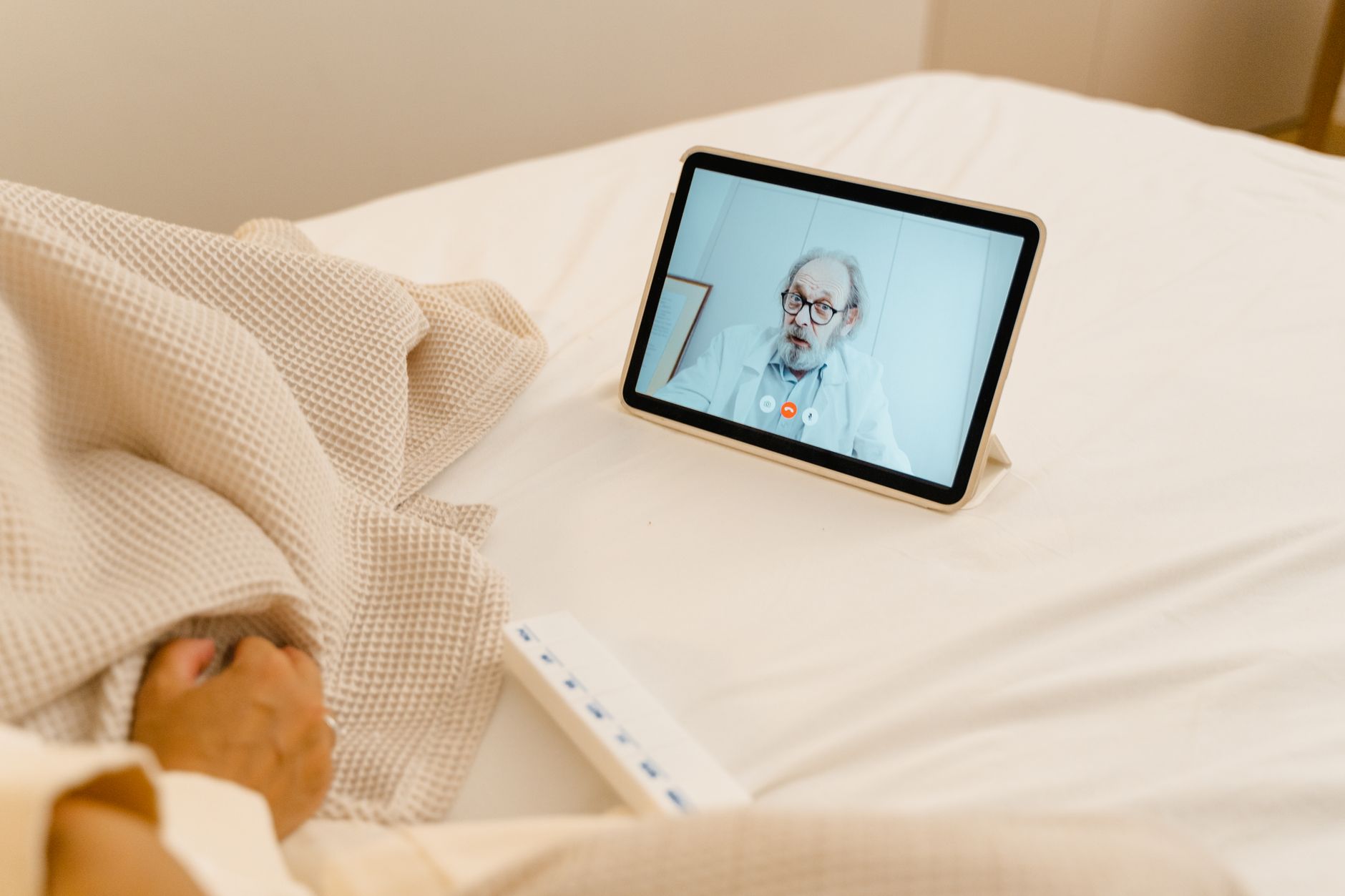
Telemedicine platforms have mushroomed across the country, connecting patients in remote areas with specialists in urban centers. Through video consultations, rural patients can access expert medical opinions without undertaking expensive and time-consuming travel. The National Telemedicine Service and various state-level programs have conducted millions of consultations, particularly valuable during the pandemic when physical access was restricted.
Mobile health applications provide health information, appointment booking, medicine delivery, and remote monitoring capabilities. These apps have democratized health information, allowing people to make informed decisions about their wellbeing and seek appropriate care promptly.
Health and Wellness Centres as Physical Hubs
The government has transformed thousands of primary health centers into Health and Wellness Centres that provide comprehensive primary healthcare services free of charge. These centers offer screening for non-communicable diseases like diabetes and hypertension, essential medicines, and diagnostic services closer to where people live.
These wellness centers integrate traditional medicine systems like Ayurveda and Yoga with modern medicine, respecting India's pluralistic health-seeking behavior. They also address mental health, a previously neglected aspect of primary care, with counseling services and referral mechanisms.
Challenges and Implementation Realities
Despite progress, significant challenges remain. Many community health workers face inadequate compensation and heavy workloads, affecting retention and motivation. Digital initiatives struggle with infrastructure gaps—unreliable internet connectivity, limited smartphone penetration among poor households, and digital literacy barriers, particularly among elderly populations.
The quality of care at primary facilities varies considerably across states and even districts. Equipment shortages, medicine stockouts, and understaffing continue to plague many centers. Bridging the urban-rural divide in specialist availability remains an ongoing challenge.
Impact on Healthcare Outcomes
Early indicators suggest positive trends. Maternal mortality rates have declined, immunization coverage has improved, and detection of non-communicable diseases at earlier stages has increased. The financial protection offered through schemes like Ayushman Bharat has reduced catastrophic health expenditure for millions of families, preventing impoverishment due to medical costs.
The combined community-digital approach has proven particularly effective during health emergencies, as demonstrated during COVID-19 vaccination drives, where community workers facilitated registration and addressed vaccine hesitancy while digital systems tracked coverage in real-time.
Future Directions
The integration of artificial intelligence for preliminary diagnosis, expansion of diagnostic facilities in rural areas, and strengthening of referral networks represent the next phase of evolution. Investment in training community workers to use digital tools effectively will multiply the impact of both strategies.
This article provides general information about healthcare initiatives and should not be considered medical or health advice. Readers should consult qualified healthcare professionals for personal medical concerns and treatment decisions.