India has taken a major step forward in its fight against dengue fever with the approval of a dengue vaccine. This development comes at a critical time when the country reports hundreds of thousands of dengue cases annually, with numbers rising significantly during monsoon seasons. However, having a vaccine is only the first part of the solution. The real challenge lies in developing and executing an effective strategy to make this preventive tool reach those who need it most.
Understanding the Dengue Challenge in India
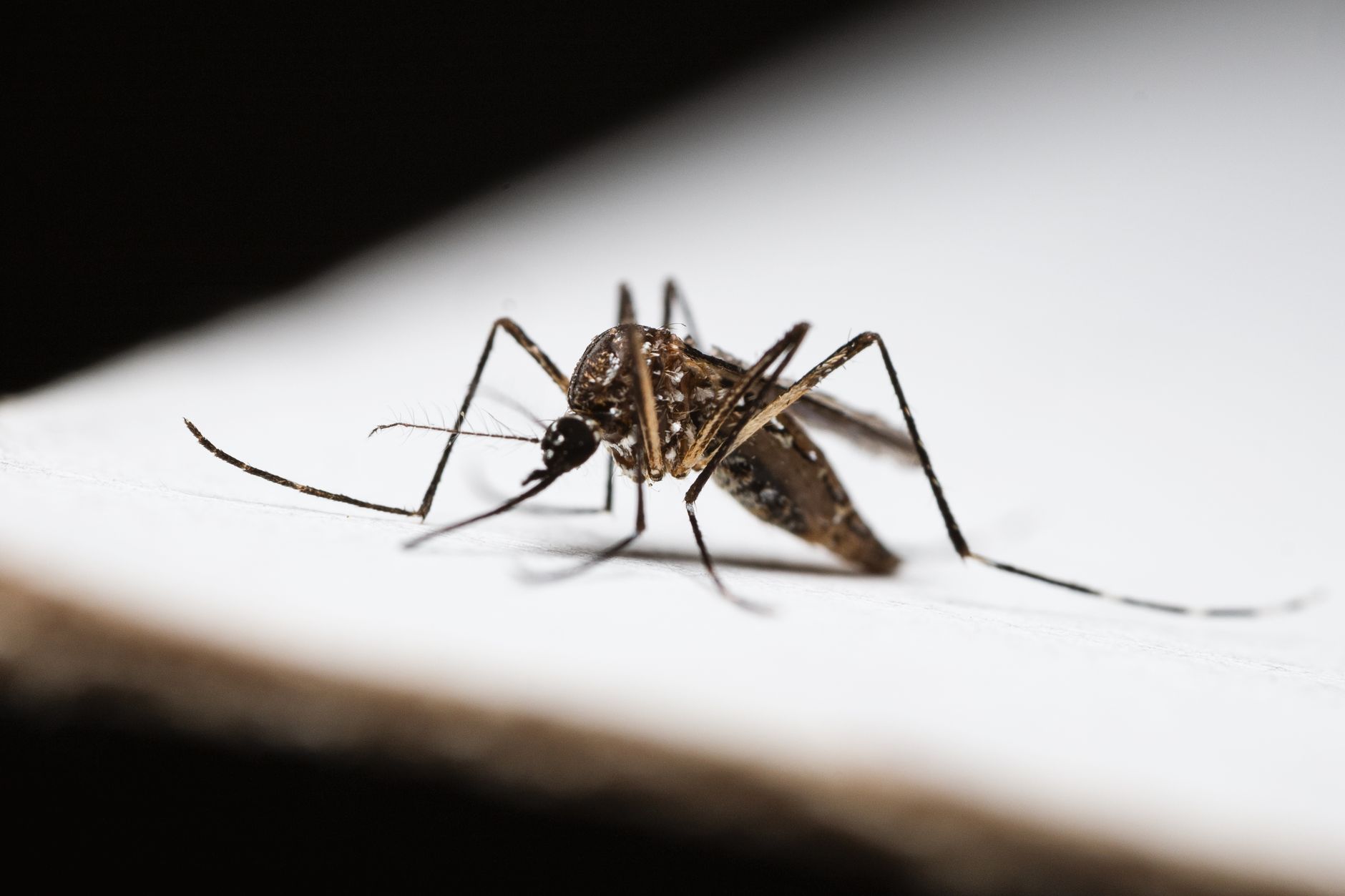
Dengue fever has become one of India's most pressing vector-borne diseases. The mosquito-transmitted viral infection affects people across urban and rural areas, with symptoms ranging from high fever and severe body aches to potentially life-threatening complications like dengue hemorrhagic fever. The disease burden has grown substantially over the past two decades, driven by factors including urbanization, inadequate waste management, climate change, and insufficient vector control measures.
Every year, particularly during and after the monsoon season, hospitals across Indian cities see a surge in dengue cases. While mortality rates have declined with improved medical management, the disease still causes significant morbidity, economic loss, and strain on healthcare systems. Children and young adults remain particularly vulnerable to severe forms of the disease.
The Vaccine: A New Tool in the Arsenal
The dengue vaccine represents years of scientific research and development. Unlike vaccines for single-strain viruses, dengue vaccines must protect against all four serotypes of the dengue virus, making their development particularly complex. The challenge is that infection with one serotype can sometimes increase the risk of severe disease if a person later contracts a different serotype.
The vaccine approved for use in India has undergone clinical trials demonstrating its safety and efficacy. However, like any vaccine, it comes with specific guidelines regarding who should receive it, at what age, and under what circumstances. Some dengue vaccines work better in people who have previously been exposed to dengue, while others may be suitable for broader populations.
Why Strategy Matters More Than Ever
Having a vaccine available is fundamentally different from having an effective vaccination program. India faces several strategic questions that need urgent answers:
- Which populations should be prioritized for vaccination
- How to integrate dengue vaccination into existing immunization programs
- Whether the vaccine should be part of routine childhood immunization or targeted campaigns
- How to handle the logistics of a multi-dose vaccine in a country as large and diverse as India
- What role the private sector should play alongside public health efforts
- How to price and subsidize the vaccine to ensure equitable access
Key Components of an Effective Strategy
A successful dengue vaccination strategy for India must be comprehensive and multi-layered. First, epidemiological data should guide geographic prioritization. States and districts with consistently high dengue incidence deserve early focus. Cities with dense populations and inadequate drainage systems are natural starting points.
Second, the strategy must address affordability and access. If the vaccine remains expensive and available only through private healthcare, it will fail to protect the most vulnerable populations who often live in areas with the highest mosquito breeding potential. Government subsidies, bulk procurement, and inclusion in public health programs become essential.
Third, public awareness campaigns must accompany vaccination efforts. Many people still lack accurate information about dengue prevention, treatment, and now vaccination. Healthcare workers, particularly at the primary care level, need training to counsel patients appropriately about the vaccine.
Integration with Broader Vector Control
Vaccination should not be viewed as a replacement for vector control measures but as a complementary tool. Mosquito control through source reduction, larvicidal treatments, and community participation remains fundamental to dengue prevention. A comprehensive strategy must ensure that vaccination efforts don't lead to complacency about these essential environmental measures.
Some experts advocate for an integrated approach where vaccination campaigns are combined with intensified vector control efforts and community education programs. This creates multiple layers of protection and engages communities more holistically in dengue prevention.
Learning from Global Experiences
India can learn from other dengue-endemic countries that have rolled out vaccination programs. Countries in Southeast Asia and Latin America have gained valuable experience in implementing dengue vaccines, including insights about challenges in cold chain management, community acceptance, and monitoring effectiveness in real-world conditions.
Moving forward, India needs a clear roadmap that addresses these implementation challenges while remaining flexible enough to adapt based on field experience and emerging evidence. The availability of a dengue vaccine is indeed a milestone worth celebrating, but the harder work of turning this scientific achievement into tangible public health impact has only just begun.
This article is for general informational purposes only and should not be considered medical advice. Consult healthcare professionals for guidance on vaccination decisions and dengue prevention specific to your circumstances.