India and Vietnam are charting a course toward enhanced health cooperation, reflecting both countries' growing recognition of mutual benefits in healthcare infrastructure, pharmaceutical trade, and medical expertise exchange. This diplomatic push comes at a time when Asian nations are increasingly looking inward for healthcare solutions rather than relying solely on Western partnerships.
The call for accelerated health cooperation between these two nations signals a strategic alignment that could reshape healthcare delivery across Southeast Asia. With India's pharmaceutical prowess and Vietnam's rapidly expanding healthcare infrastructure, the partnership holds promise for millions across the region.
India's Healthcare Export Potential
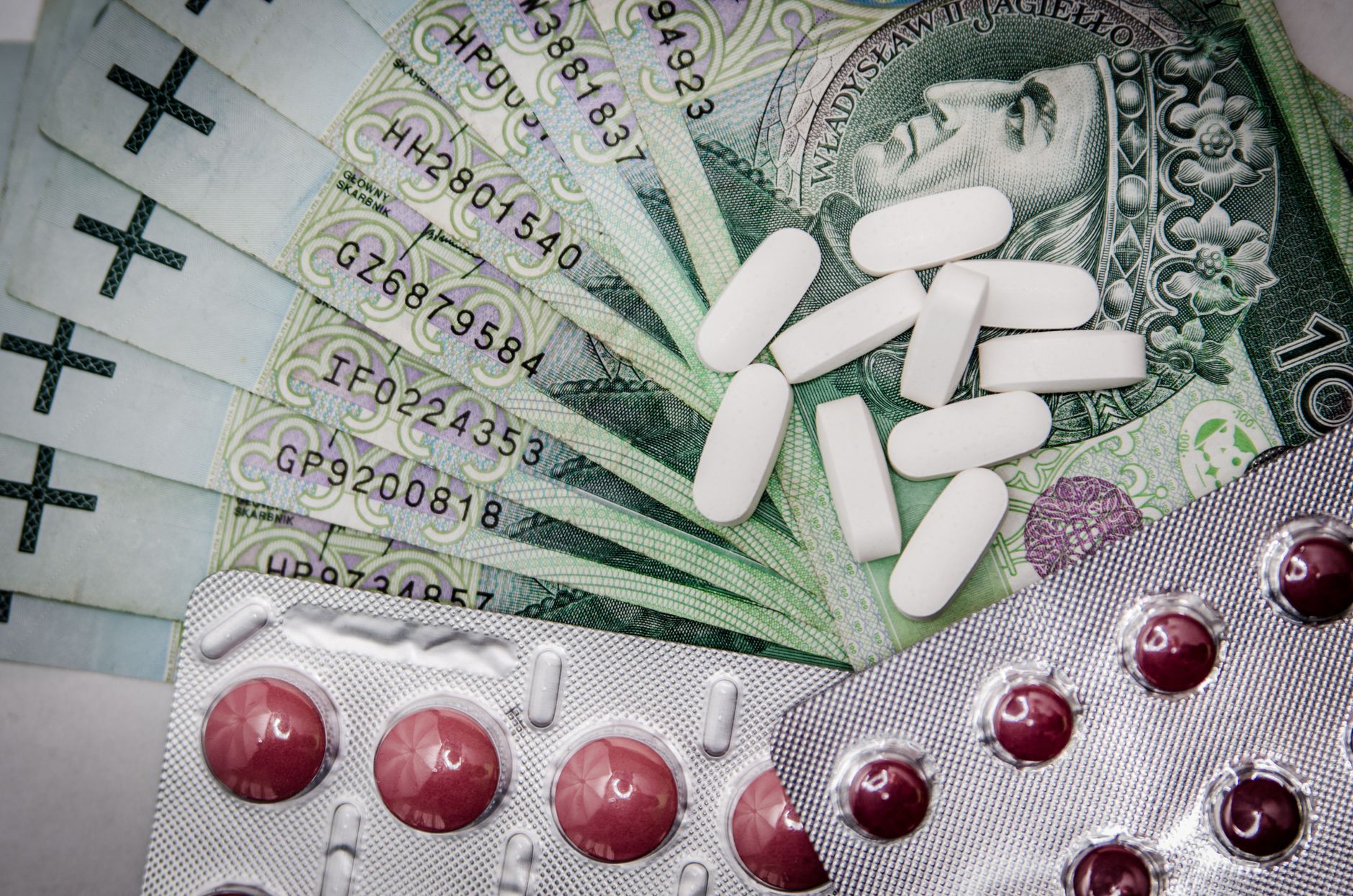
India has long positioned itself as the pharmacy of the world, producing approximately 60 percent of global vaccines and accounting for a significant share of generic drug manufacturing. The country's pharmaceutical exports exceeded 25 billion dollars in recent years, with Southeast Asian markets representing a growing share of this trade.
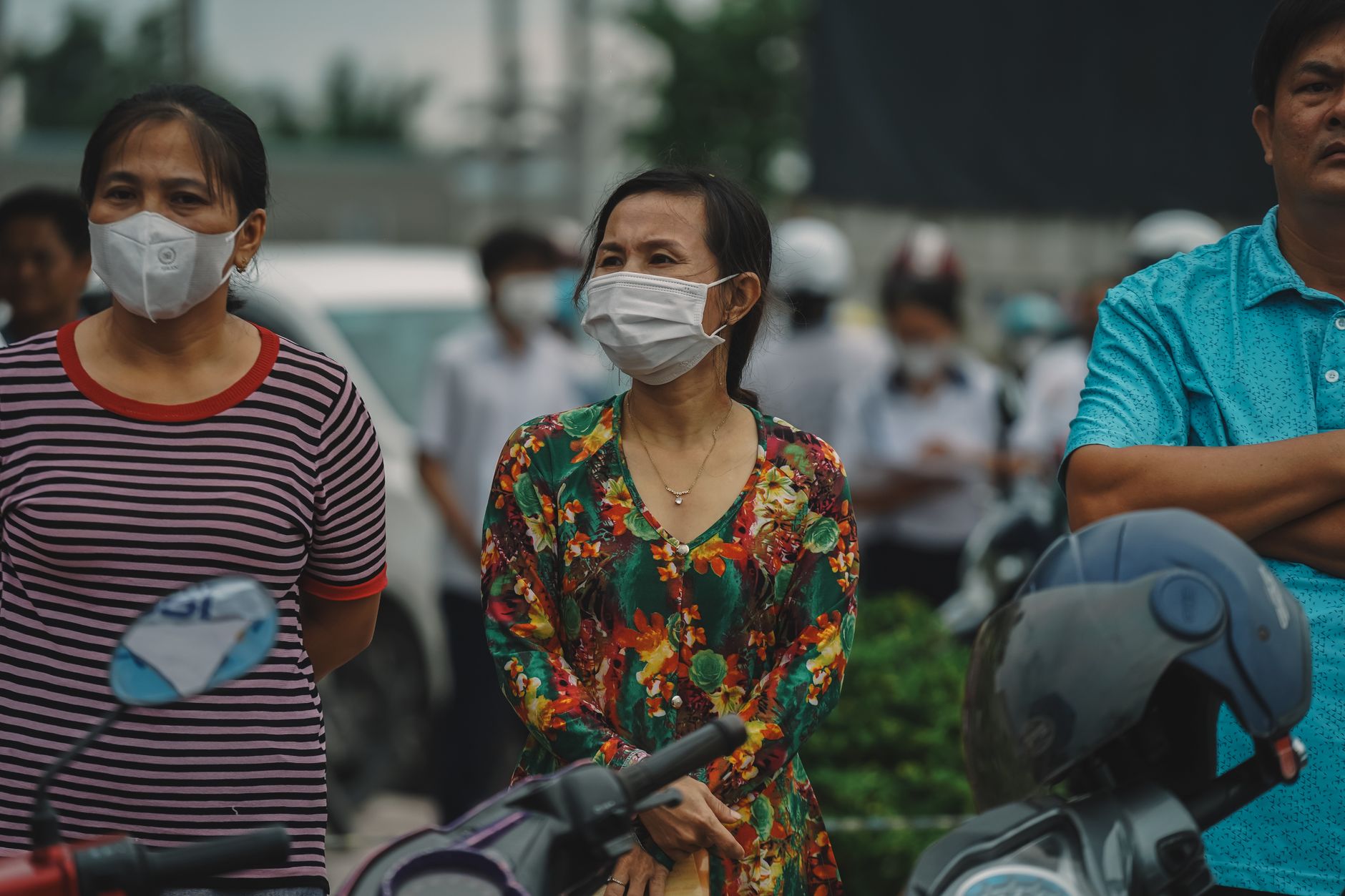
Vietnam presents an attractive partner for several reasons. The Vietnamese healthcare market has been expanding rapidly, driven by rising incomes, an aging population, and increasing health awareness among citizens. Vietnamese consumers and healthcare providers are actively seeking affordable yet high-quality medical products and services, areas where Indian companies excel.
Indian pharmaceutical companies could benefit from streamlined regulatory pathways and preferential trade arrangements, making medicines and medical equipment more accessible to Vietnamese patients while creating new revenue streams for Indian manufacturers.
Medical Tourism and Expertise Exchange
Beyond pharmaceuticals, medical tourism represents another promising avenue for collaboration. India has established itself as a leading destination for medical tourists seeking high-quality care at competitive prices. Procedures that cost hundreds of thousands of dollars in Western countries are available in India at a fraction of the price, without compromising quality.
Vietnamese patients could benefit from easier access to Indian healthcare facilities for complex procedures, including cardiac surgeries, organ transplants, orthopedic treatments, and cancer care. Simultaneously, Indian medical professionals could gain opportunities to practice in Vietnam, addressing healthcare workforce shortages while gaining international experience.
The exchange would be reciprocal. Vietnam has developed particular expertise in tropical medicine and infectious disease management, knowledge that could benefit India's public health initiatives. Traditional medicine systems in both countries also present opportunities for collaborative research and integration into mainstream healthcare.
Technology and Digital Health Initiatives
Both nations are investing heavily in digital health infrastructure. India's telemedicine platforms and health tech startups have gained international recognition, while Vietnam has been rapidly digitizing its healthcare system. Collaborative projects could include:
- Joint development of telemedicine platforms tailored to rural and underserved populations
- Sharing of electronic health record systems and interoperability standards
- Collaborative research on artificial intelligence applications in diagnostics
- Exchange programs for health IT professionals and data scientists
Digital health cooperation could accelerate innovation in both countries while creating products and services applicable across other developing markets.
Manufacturing and Supply Chain Collaboration
Vietnam's manufacturing capabilities have grown substantially over the past decade, positioning the country as an attractive location for pharmaceutical and medical device production. Indian companies could explore joint ventures or manufacturing partnerships in Vietnam, creating a manufacturing hub that serves both ASEAN and Indian markets.
This approach would reduce dependency on single-country manufacturing, enhance supply chain resilience, and create employment opportunities in both nations. Vietnam's participation in multiple free trade agreements could provide Indian healthcare companies with preferential access to markets across Asia-Pacific, Europe, and the Americas.
Challenges and Considerations
Despite the promising outlook, several challenges require attention. Regulatory harmonization remains a significant hurdle, as both countries maintain different approval processes for drugs and medical devices. Intellectual property protection, quality standardization, and mutual recognition agreements will need careful negotiation.
Language barriers and cultural differences in healthcare delivery models may also require bridging through targeted training programs and cultural exchange initiatives. Both governments must commit adequate resources and establish clear frameworks to transform diplomatic statements into tangible outcomes.
The Broader Regional Context
This bilateral health cooperation fits within broader Asian integration trends. As China's healthcare sector becomes more self-sufficient and Western pharmaceutical companies face increasing scrutiny over pricing, Asian countries are forming new partnerships to ensure healthcare security and affordability.
India and Vietnam strengthening health ties could catalyze similar partnerships across the region, creating a networked approach to healthcare challenges that respects local contexts while leveraging shared resources and expertise.
This article is for general informational purposes only and should not be considered medical or health policy advice. Readers should consult appropriate healthcare professionals and official government sources for specific medical guidance.