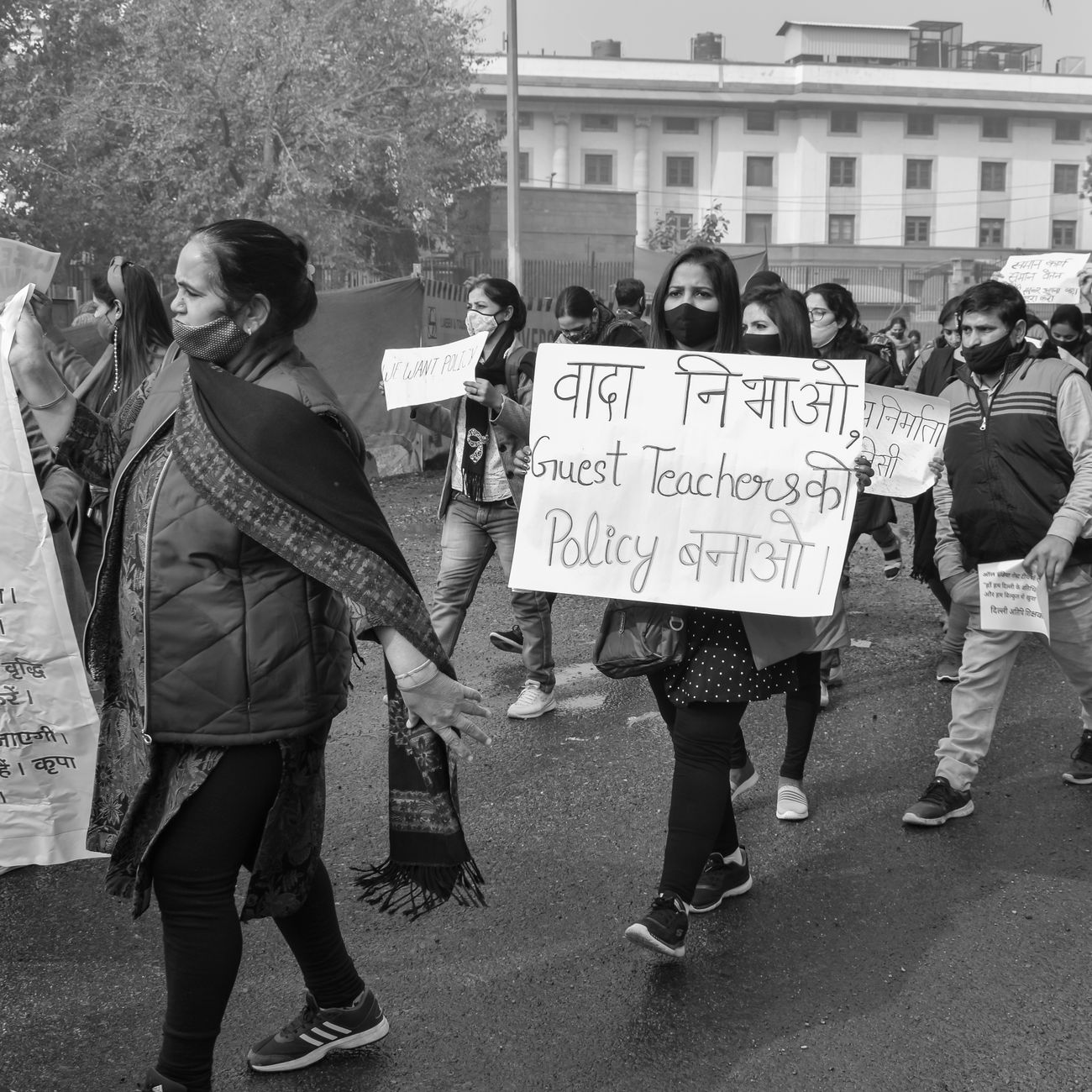
India's education landscape is witnessing a watershed moment as persistent youth protests have compelled authorities to overhaul the country's competitive examination framework. The resignation of a senior education minister marks a rare instance of student activism achieving tangible political consequences in the world's most populous democracy.
The catalyst for this movement stems from widespread allegations of paper leaks, technical glitches, and administrative failures across several major examinations that determine the futures of millions of Indian students annually. From medical entrance tests to civil services preliminaries, a series of controversies has eroded public confidence in the examination system's integrity.
The Scale of Student Discontent
India's competitive examination ecosystem is uniquely high-stakes. With limited seats in premier educational institutions and millions of aspirants competing annually, even minor irregularities can derail years of preparation and financial investment. The National Eligibility cum Entrance Test for undergraduate medical courses alone sees over two million candidates, while engineering and civil services exams attract similarly massive numbers.
Recent protests have united students across economic backgrounds, from metropolitan coaching hubs to smaller towns where families often invest their entire savings in a child's exam preparation. Social media amplified these voices, with hashtags demanding accountability trending for weeks and forcing mainstream attention on systemic issues long ignored by policymakers.
What Went Wrong
The examination controversies revealed multiple fault lines in India's testing infrastructure. Paper leaks before scheduled exam dates surfaced in several states, with evidence suggesting organized cheating rackets involving coaching centers and corrupt officials. Technical failures at computer-based testing centers left thousands of students unable to complete their examinations within allotted times.
Additionally, allegations of favoritism in evaluation processes and unexplained discrepancies in result tabulation fueled suspicions about the system's fairness. For aspirants who dedicate years to preparation, often foregoing employment opportunities and accumulating debt, these failures represented more than administrative lapses—they symbolized broken promises of meritocracy.
Announced Reforms
In response to sustained pressure, authorities have unveiled a multi-pronged reform agenda addressing technological, procedural, and oversight dimensions of the examination process.
- Implementation of advanced encryption and blockchain technology to secure question papers from creation to distribution
- Mandatory recording and audit trails for all examination-related activities at testing centers
- Establishment of independent grievance redressal mechanisms with defined timelines for complaint resolution
- Strengthening of legal provisions against organized cheating with enhanced penalties for involved parties
- Expansion of testing infrastructure to reduce overcrowding and improve candidate experience
- Introduction of randomized question sequencing to minimize cheating opportunities during exams
- Creation of multi-stakeholder oversight committees including student representatives
The reforms also include provisions for compensatory examinations when technical failures affect significant numbers of candidates, addressing a long-standing grievance about lack of second chances after systemic failures.
Broader Implications
The successful mobilization of student protesters signals a generational shift in India's civic engagement patterns. Young Indians, increasingly vocal about institutional accountability, have demonstrated their capacity to influence policy through sustained, organized activism. This movement may establish precedents for youth-led advocacy on other issues affecting their demographic.
For the education sector, these reforms represent acknowledgment that India's examination infrastructure has failed to keep pace with the scale and stakes of modern competitive testing. The integration of technology, while not a panacea, addresses several vulnerability points in the current system.
However, implementation challenges loom large. India's federal structure means coordination across states with varying technological capabilities and administrative capacities. Funding for infrastructure upgrades, training personnel for new systems, and ensuring consistency across diverse testing contexts will test governmental commitment to announced changes.
The Road Ahead
While the ministerial resignation and reform announcements represent victories for the protest movement, skepticism persists about whether promised changes will materialize comprehensively. Previous examination scandals have prompted similar assurances that failed to prevent subsequent controversies.
Student groups have indicated continued vigilance, with monitoring committees being formed to track implementation progress. The coming examination cycles will serve as litmus tests for whether systemic changes have genuinely occurred or if announcements were merely tactical responses to quell immediate unrest.
The episode underscores the critical importance Indians attach to education as a vehicle for social mobility. When that pathway appears compromised by corruption or incompetence, the resulting frustration transcends typical political divisions, creating rare moments of unified demand for accountability that authorities cannot easily dismiss.