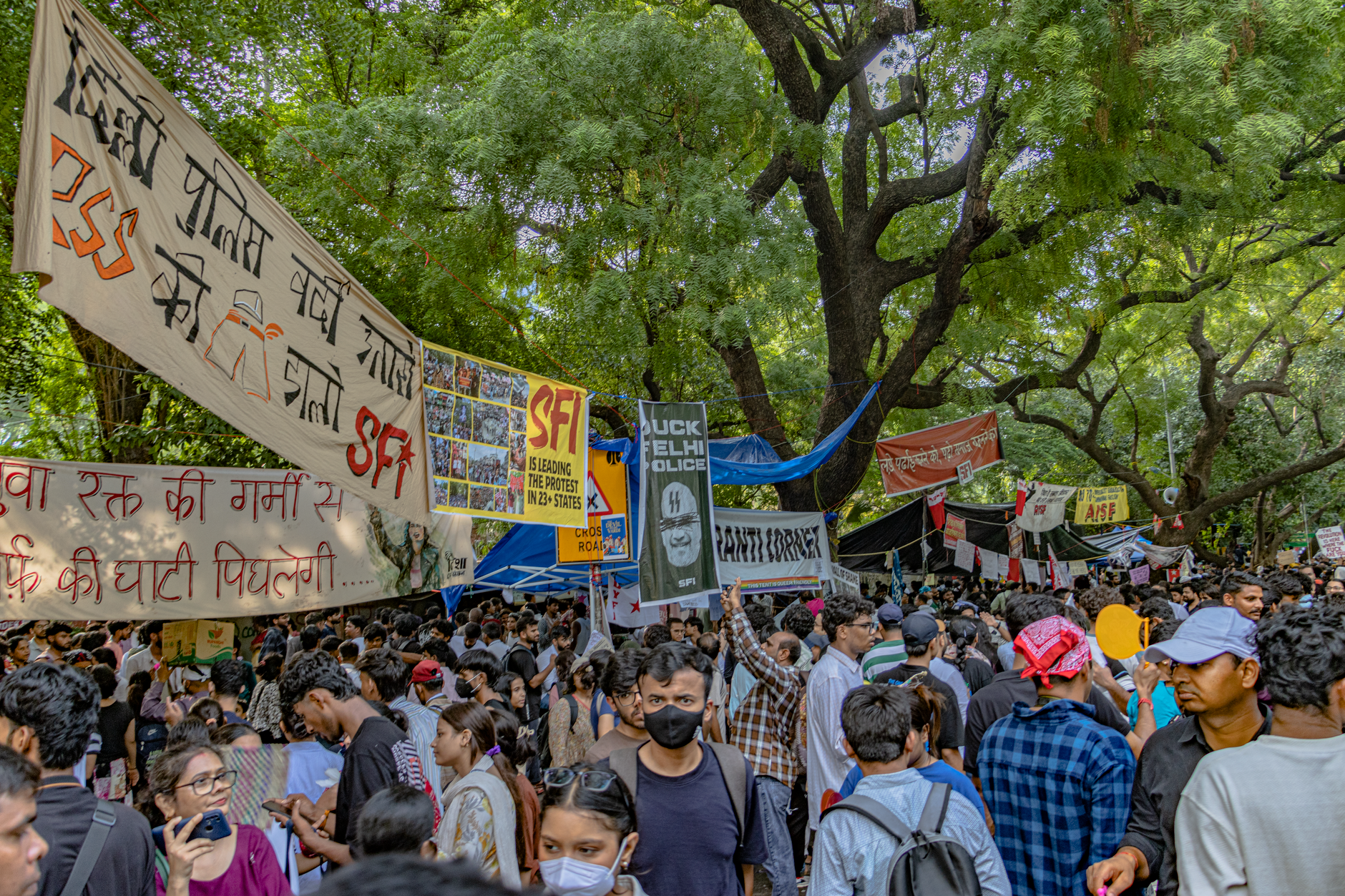
Students in India have adopted an unusual yet attention-grabbing form of protest in recent months, referring to their demonstrations as 'cockroach' protests. This creative moniker highlights their grievances about substandard living conditions in educational institutions, particularly in hostels and dormitories where pest infestations and inadequate infrastructure have become serious concerns.
Understanding the 'Cockroach' Protest Movement
The term 'cockroach' protests emerged as students drew parallels between the persistent nature of cockroaches and their determination to fight for better living conditions. The movement gained momentum as videos and images of insect-infested hostel rooms, unhygienic mess facilities, and dilapidated infrastructure went viral on social media platforms. Students from various universities and educational institutions began organizing peaceful demonstrations, sit-ins, and social media campaigns to draw attention to these long-standing issues.
These protests have not been limited to a single institution or region. From premier technical institutes to state universities, students across different educational sectors have voiced similar concerns about deteriorating hostel conditions, inadequate maintenance budgets, and administrative apathy toward student welfare.
Government and Institutional Responses
The Indian government's response to these protests has been multi-layered, involving both immediate measures and longer-term policy considerations. Education ministry officials have acknowledged the concerns raised by students and initiated dialogues with university administrations to assess the ground realities.
Several state governments have announced inspections of hostel facilities in government-funded institutions. These inspections aim to identify institutions with substandard conditions and mandate immediate corrective actions. Some states have allocated additional funds specifically for hostel infrastructure upgrades and pest control measures.
University Grants Commission (UGC) and other regulatory bodies have been directed to formulate stricter guidelines for hostel maintenance and living standards. These guidelines are expected to set minimum requirements for cleanliness, pest control frequency, room occupancy limits, and basic amenities.
Specific Measures Announced
Administrative authorities at various levels have announced several concrete steps in response to student demands:
- Formation of hostel monitoring committees including student representatives
- Allocation of emergency funds for immediate repairs and pest control
- Regular third-party audits of hostel facilities
- Installation of grievance redressal mechanisms specifically for hostel-related complaints
- Mandating quarterly deep-cleaning and fumigation schedules
- Upgrading mess facilities with improved hygiene standards
Challenges in Implementation
Despite these announcements, students and activists have expressed concerns about the actual implementation of promised measures. Historical patterns suggest that while authorities often respond positively during active protests, sustained follow-through remains inconsistent.
Budget constraints pose a significant challenge, particularly for state universities and institutions in economically weaker regions. Many hostels were constructed decades ago and require comprehensive renovation rather than superficial repairs. The gap between allocated funds and actual requirements often leads to incomplete solutions.
Additionally, bureaucratic delays in fund disbursement and execution of approved projects mean that students may not see tangible improvements during their academic tenure, leading to frustration and recurring protests.
Broader Educational Infrastructure Concerns
The 'cockroach' protests have opened up larger conversations about India's educational infrastructure investment. While the country has made significant strides in expanding access to higher education, the quality of residential facilities has not kept pace with enrollment growth.
Education policy experts argue that these protests reflect systemic underfunding of maintenance and non-academic infrastructure. As India aims to become a global education hub and attract international students, addressing these basic quality-of-life issues becomes crucial.
Student Voices and Democratic Expression
Many observers have noted that these protests represent healthy democratic expression within educational institutions. Students organizing peacefully to demand better living conditions demonstrate civic engagement and collective action skills that extend beyond classroom learning.
The creative branding of protests as 'cockroach' demonstrations shows how young Indians are using social media and symbolic communication to amplify their voices. This approach has garnered wider public support and media attention than traditional protest methods might have achieved.
The government's response, while still evolving, indicates recognition that student welfare issues cannot be ignored in an increasingly connected and aware generation. Whether these responses translate into lasting improvements will determine the success of this movement and potentially influence future student activism in India.