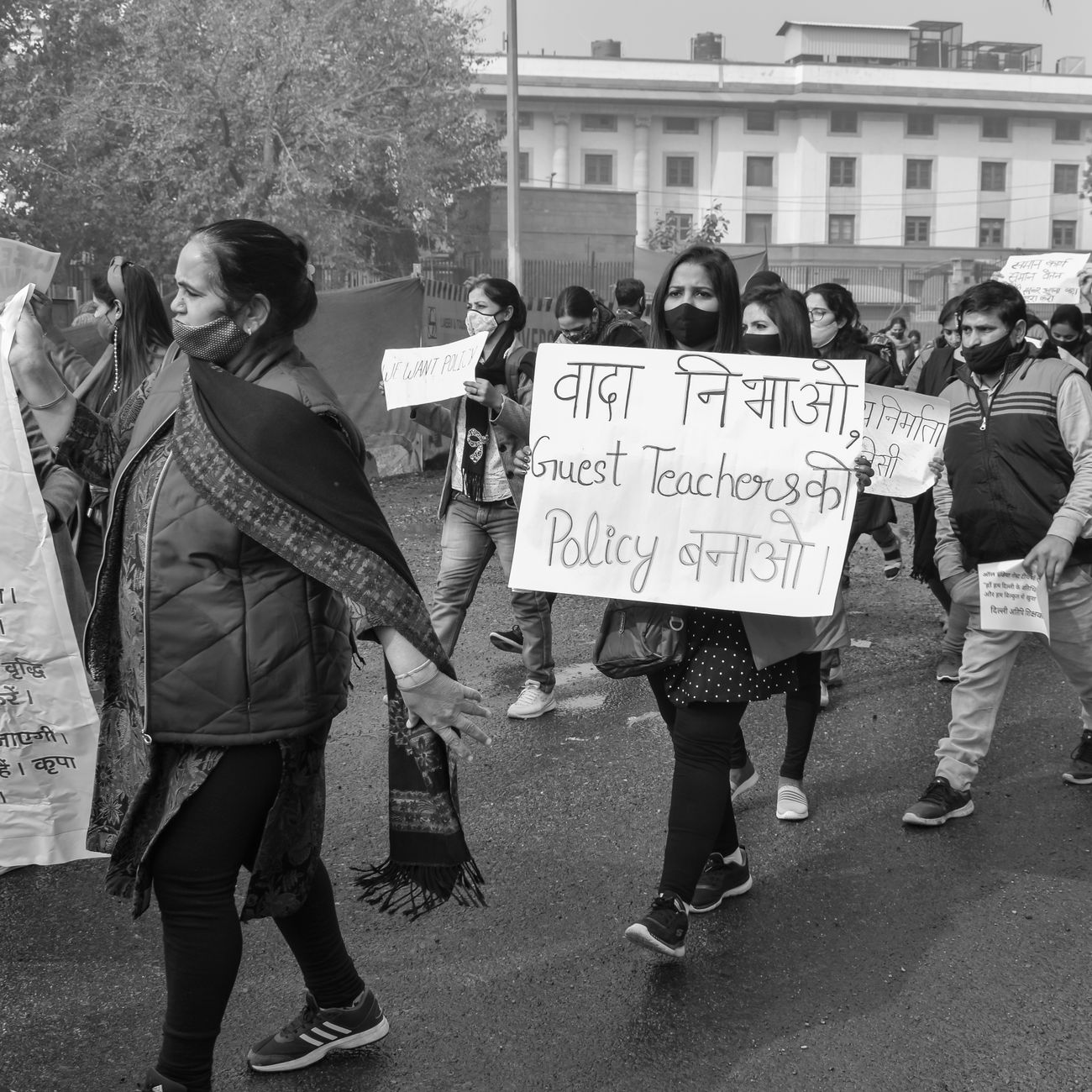
Student protests across India have brought the issue of examination paper leaks into sharp national focus, prompting Prime Minister Narendra Modi to publicly acknowledge the problem and promise decisive action. The recurring incidents of leaked exam papers have undermined the credibility of India's competitive examination system, affecting millions of aspirants preparing for crucial tests that determine their educational and career trajectories.
The Scale of the Examination Leak Problem
India's examination ecosystem is massive, with various boards and authorities conducting tests for school certifications, university admissions, and government job recruitments. The National Eligibility cum Entrance Test (NEET), the Joint Entrance Examination (JEE), and numerous state-level examinations collectively involve tens of millions of students annually. When paper leaks occur, they don't just compromise a single test cycle—they erode trust in the entire meritocratic foundation of India's educational advancement system.
Recent years have witnessed several high-profile cases where examination papers were leaked hours or days before the scheduled tests. These incidents have forced authorities to cancel exams, reschedule tests, and investigate elaborate cheating networks. The consequences extend beyond inconvenience, causing immense stress to honest students who invest months or years in preparation.
What Students Are Demanding
The student-led protests have coalesced around several key demands that go beyond simply addressing individual leak incidents. Demonstrators are calling for systemic reforms that would make the examination process more secure and transparent.
- Implementation of robust digital security measures for exam paper creation and distribution
- Severe criminal penalties for individuals and networks involved in paper leaks
- Compensation or reservation opportunities for students affected by cancelled examinations
- Independent oversight committees to investigate leaks without political interference
- Standardized security protocols across all national and state-level examinations
- Regular audits of examination conducting bodies and question paper setters
These demands reflect a desire for structural change rather than ad-hoc responses to individual incidents.
Government's Proposed Measures
Following the Prime Minister's acknowledgment, the government has indicated several directions for reform, though specific implementation details remain under discussion. The proposed measures reportedly include stricter background checks for individuals involved in question paper setting, enhanced digital encryption for exam materials, and potential legislative changes to increase punishment for those caught facilitating leaks.
There is also discussion about creating a centralized digital platform for conducting major national examinations, which could reduce human intervention in the paper distribution process. Some officials have suggested incorporating biometric authentication and artificial intelligence-based proctoring for high-stakes examinations.
Implementation Challenges Ahead
Despite promising intentions, translating these commitments into effective action faces several obstacles. India's examination system involves multiple authorities—central boards, state boards, university bodies, and recruitment commissions—each operating with different protocols and technological capabilities. Creating uniform security standards across this fragmented landscape requires coordination, funding, and time.
The technological infrastructure needed for truly secure digital examinations is expensive and may not be immediately accessible in all regions, particularly in rural and semi-urban areas. Balancing enhanced security with accessibility for students from diverse socioeconomic backgrounds remains a critical challenge.
Additionally, the networks that facilitate paper leaks are often sophisticated, involving corrupt officials, middlemen, and organized criminal elements. Dismantling these networks requires sustained law enforcement effort and judicial follow-through, which have historically been inconsistent.
The Broader Impact on Indian Education
The examination leak crisis has sparked wider conversations about India's education system and its heavy reliance on high-stakes testing. Some educators and policy experts argue that the intense competition for limited seats in premier institutions creates an environment where cheating becomes tempting for desperate students and profitable for criminal networks.
There are growing calls to diversify evaluation methods, reduce the winner-takes-all nature of single examinations, and expand quality educational institutions to reduce the extreme pressure on individual tests. However, such fundamental reforms would require years of policy development and infrastructure investment.
What Happens Next
The coming months will be crucial in determining whether the government's promises translate into meaningful change. Students, parents, and educators will be watching for concrete legislative proposals, allocation of resources for technological upgrades, and evidence of serious action against those responsible for past leaks.
The credibility of India's examination system hangs in the balance, affecting not just current students but future generations who depend on fair assessment for educational and career opportunities. Whether this moment of heightened attention leads to lasting reform or becomes another cycle of promises followed by business as usual will shape public trust in India's educational institutions for years to come.