In a remarkable example of peacekeeping extending beyond traditional security mandates, Indian peacekeepers serving with the United Nations Mission in South Sudan (UNMISS) are revolutionizing livestock health in Jonglei state, one of the country's most vulnerable regions. Their work demonstrates how military medical expertise can create sustainable development in conflict-affected areas.
The Critical Role of Livestock in Jonglei
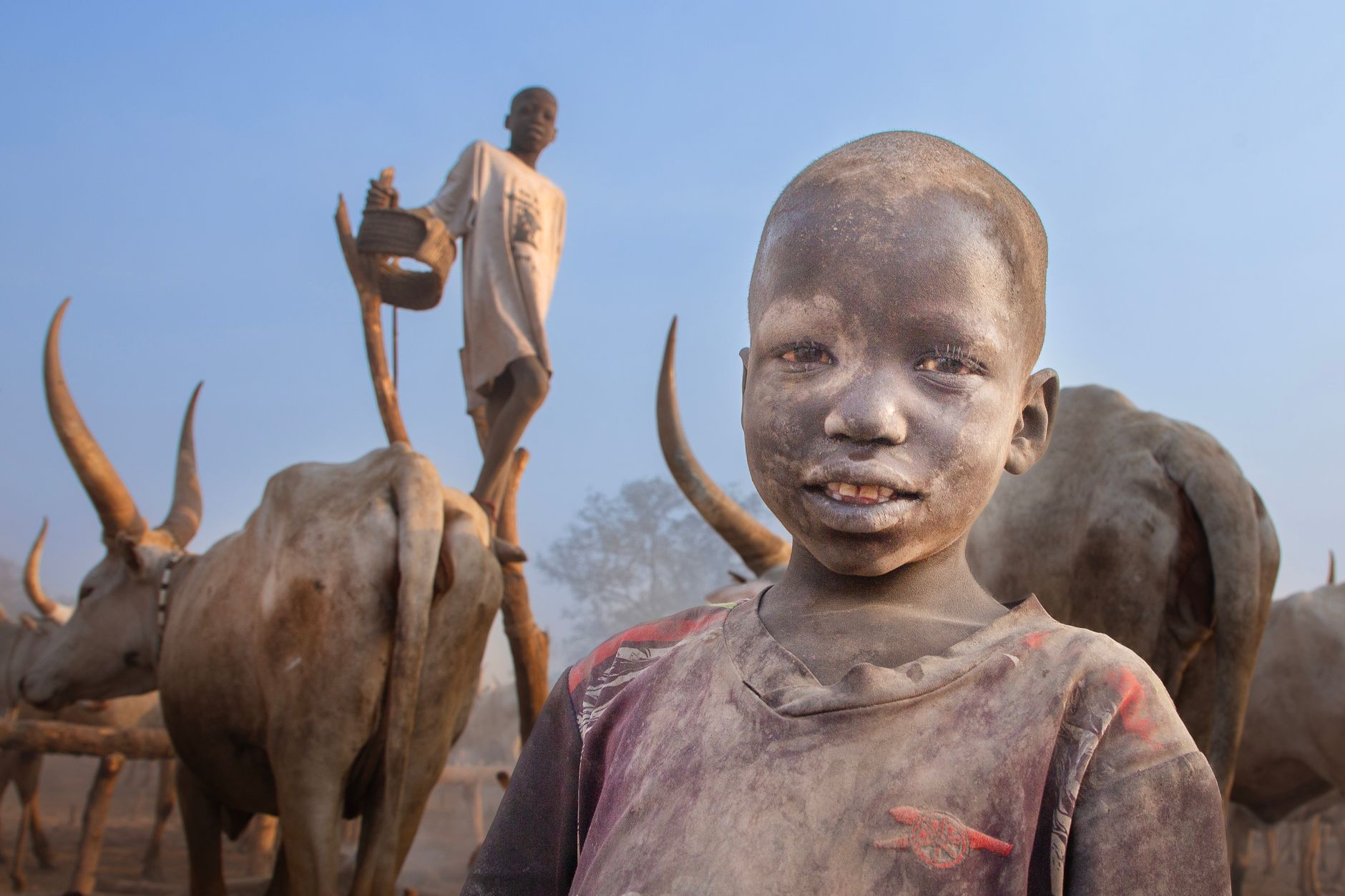
Jonglei state, located in eastern South Sudan, is predominantly pastoralist, with communities relying almost entirely on cattle, goats, and sheep for survival. Livestock represents not just food security but also wealth, social status, and cultural identity for the region's inhabitants. When animals fall sick or die, families lose their primary means of subsistence, often spiraling into poverty and food insecurity.
The region has faced decades of conflict, severely limiting access to veterinary services. Animal diseases spread unchecked, claiming thousands of livestock annually and devastating rural economies. Before the arrival of specialized peacekeeping support, many communities had never received professional veterinary care.
Indian Peacekeepers' Veterinary Initiative
Indian military veterinarians deployed with UNMISS have established mobile veterinary clinics that travel to remote villages across Jonglei. These medical professionals, drawn from India's armed forces veterinary corps, bring extensive experience in treating large animals and managing herd health in challenging environments.
The peacekeepers' work includes:
- Conducting health screenings and treating common livestock diseases
- Administering vaccinations against prevalent infections
- Performing minor surgical procedures
- Providing deworming treatments to improve animal nutrition
- Treating wounds and injuries sustained by animals
- Offering nutritional guidance for better animal husbandry
Training Local Communities for Long-Term Impact
Perhaps more importantly than direct treatment, Indian peacekeepers are training community animal health workers to continue the work after the mission concludes. These training programs cover basic veterinary care, disease recognition, preventive measures, and when to seek advanced help.
Local trainees, often young men and women from pastoralist families, learn to identify symptoms of common diseases, administer basic medications, and implement hygiene practices that prevent outbreaks. This knowledge transfer creates a sustainable healthcare system that will endure beyond the peacekeeping presence.
Transforming Rural Livelihoods
The impact of improved livestock health extends far beyond individual animals. Healthier herds mean:
- Increased milk production for household nutrition and sale
- Better breeding outcomes with stronger calves and kids
- Higher market values for animals in good condition
- Reduced livestock mortality during the vulnerable wet season
- Greater food security for families depending on animal products
- Improved economic resilience for entire communities
Women, who often manage small livestock like goats and chickens, have particularly benefited. Healthier animals provide better nutrition for children and generate income that women control, empowering them economically within their households.
Bridging Security and Development
This initiative exemplifies the evolving nature of peacekeeping operations. Modern UN missions increasingly recognize that sustainable peace requires addressing underlying economic and social vulnerabilities, not just preventing violence.
By improving livestock health, Indian peacekeepers reduce resource competition that can trigger conflict between pastoralist groups. Communities with thriving herds are less likely to raid neighboring areas for animals, creating a more stable security environment.
Challenges and Ongoing Needs
Despite significant progress, challenges remain. Jonglei's vast geography and poor infrastructure make reaching all communities difficult. The rainy season renders many areas inaccessible for months. Limited supplies of vaccines and medications sometimes restrict treatment capacity.
Climate change is also introducing new disease patterns and increasing the frequency of droughts, creating additional stress on livestock systems that require adaptive strategies.
A Model for Peacekeeping Missions
The success of Indian peacekeepers in Jonglei offers valuable lessons for UN missions worldwide. Integrating specialized skills like veterinary care into peacekeeping deployments addresses real community needs while building trust and cooperation.
This human-centered approach to peacekeeping recognizes that security, health, and economic development are deeply interconnected. When communities see tangible improvements in their daily lives, they become partners in building lasting peace rather than passive recipients of international intervention.
The work of Indian UNMISS peacekeepers in transforming livestock health demonstrates that military expertise, when thoughtfully applied, can create positive change that extends far beyond the traditional battlefield.