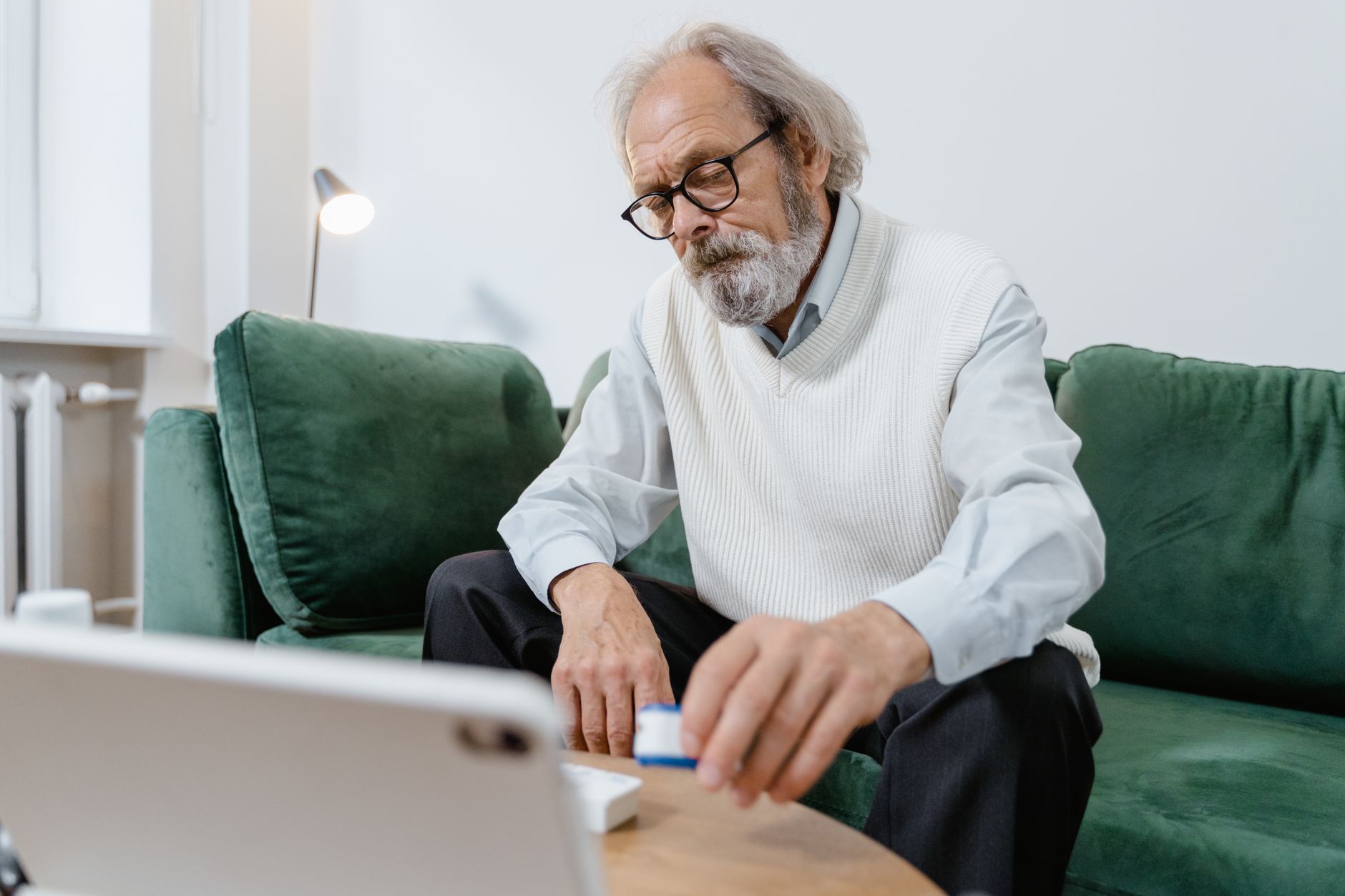
India stands at the threshold of a significant demographic transformation. The country's population aged 60 and above is projected to reach nearly 320 million by 2050, up from approximately 140 million today. This rapid aging presents both opportunities and challenges, particularly for a healthcare system that has traditionally been hospital-centric. The future of Indian healthcare must embrace a fundamental shift: bringing quality medical care closer to where elderly citizens live.
The Changing Face of India's Demographics
India has long been characterized as a young nation, but that narrative is evolving rapidly. Improved life expectancy, declining fertility rates, and better healthcare access have collectively contributed to an aging population. While this reflects positive developments in public health, it also means millions of elderly Indians will require ongoing medical attention for chronic conditions, regular monitoring, and age-related health concerns.
The traditional model of requiring patients to travel to hospitals or clinics becomes increasingly impractical as people age. Mobility challenges, transportation costs, and the physical toll of hospital visits create significant barriers to consistent healthcare access for older adults.
Why Home-Based Healthcare Makes Sense
Home healthcare is not merely a convenience—it represents a practical solution to multiple systemic challenges. For elderly patients managing chronic conditions like diabetes, hypertension, or arthritis, regular monitoring and medication management are crucial. Home visits by healthcare professionals can ensure better medication adherence, early detection of complications, and personalized care in familiar surroundings.
Studies globally have shown that patients often recover better at home, where stress levels are lower and family support is readily available. For post-operative care, rehabilitation, or palliative support, the home environment can accelerate recovery while reducing the burden on hospital beds and resources.
Technology as an Enabler
The digital revolution offers unprecedented opportunities to deliver healthcare at home. Telemedicine platforms have already demonstrated their value during the COVID-19 pandemic, proving that quality consultations can occur remotely. For routine check-ups, medication adjustments, and health counseling, video consultations eliminate travel requirements entirely.
Wearable devices and remote monitoring tools can track vital signs like blood pressure, glucose levels, and heart rate, transmitting real-time data to healthcare providers. This continuous monitoring enables proactive intervention before minor issues escalate into emergencies.
Mobile health apps can send medication reminders, schedule virtual appointments, and maintain digital health records accessible to both patients and their care teams. These technologies particularly benefit elderly patients who might struggle with medication schedules or remembering multiple doctor appointments.
Building the Infrastructure
Transitioning to home-centered healthcare requires systematic infrastructure development. Training programs must prepare nurses, physiotherapists, and general practitioners to deliver care in home settings. This includes not just clinical skills but also the soft skills needed to work independently and communicate effectively with patients and families.
The Role of Community Health Workers
India's existing network of ASHA workers and community health volunteers provides a foundation to build upon. Expanding their training to include geriatric care basics, chronic disease monitoring, and emergency recognition can create a first line of home-based health support, particularly in rural and semi-urban areas.
Financial and Policy Considerations
Insurance coverage must evolve to include home healthcare services. Currently, most health insurance policies focus on hospitalization expenses, leaving home care largely out-of-pocket. Policy reforms that recognize home care as legitimate medical expense can drive adoption and reduce financial barriers.
Government initiatives like Ayushman Bharat could expand to specifically address elderly care, subsidizing home visits, telemedicine consultations, and essential monitoring equipment for economically disadvantaged seniors.
Challenges to Address
The transition won't be without obstacles. Quality control in home settings, ensuring proper training and certification of home healthcare workers, managing emergencies when hospital infrastructure is still needed, and addressing the urban-rural digital divide all require careful planning and investment.
Family structures are also changing, with smaller households and greater geographic dispersion. Home healthcare models must account for elderly individuals living alone or with minimal family support.
A Holistic Approach
Effective home healthcare extends beyond medical treatment to encompass mental health support, nutrition counseling, and social engagement—all crucial for healthy aging. Integrated care models that address physical, emotional, and social needs will deliver the best outcomes for India's growing elderly population.
This article is for general informational purposes only and does not constitute medical advice. Readers should consult qualified healthcare professionals for personalized medical guidance and treatment decisions.