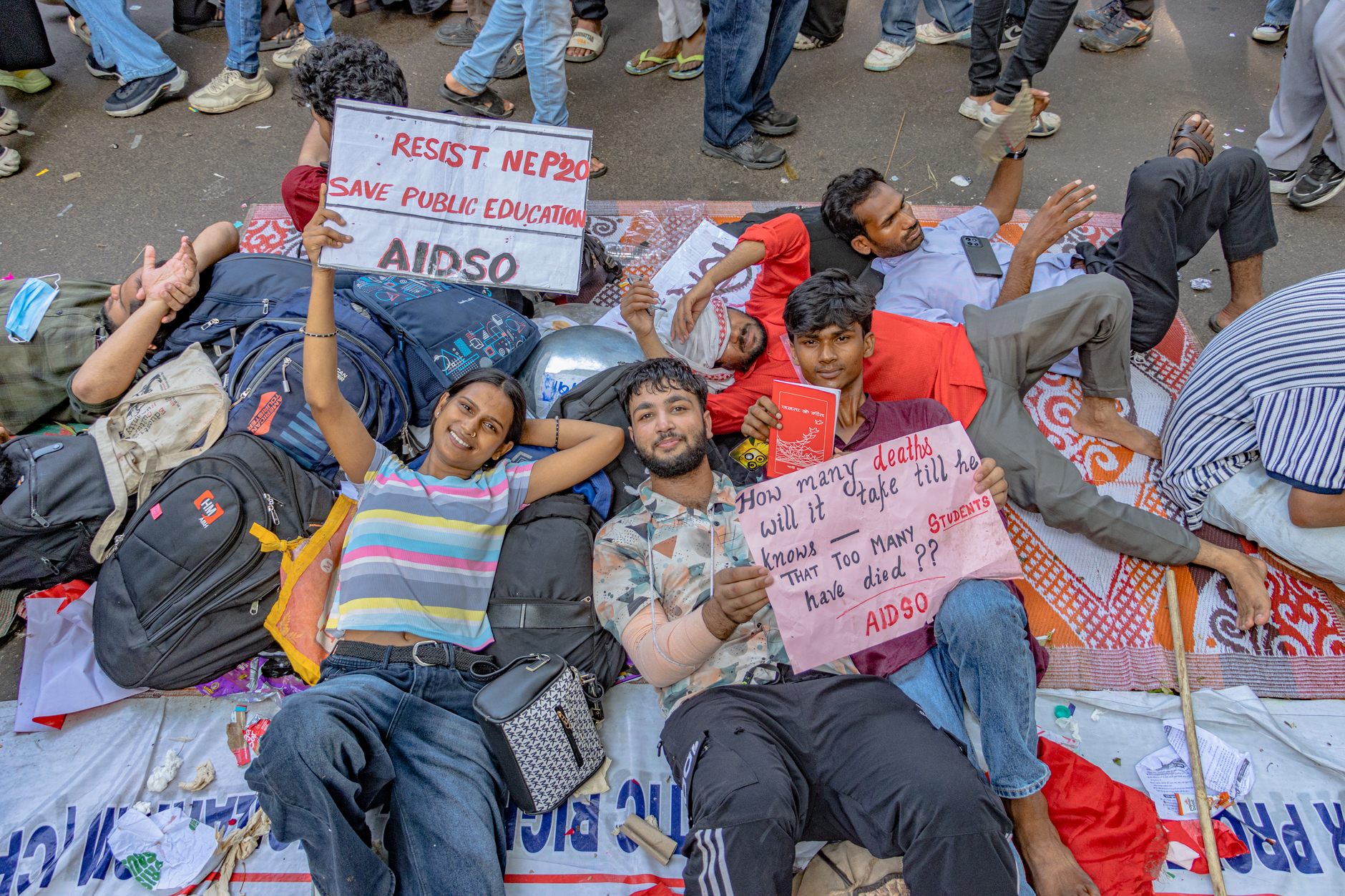
Student protests in India have taken many forms over the decades, but few have captured public attention quite like the recent "cockroach protest" that has now been called off. The demonstration, which saw students resorting to unconventional tactics to voice their grievances, came to an end following significant political developments at the ministerial level.
The Unusual Form of Protest
The protest earned its distinctive name from students' creative approach to drawing attention to their concerns about education policies and examination systems. In what became a viral moment on social media, protesters used cockroaches as a symbol of their discontent, drawing parallels between the insects and what they perceived as systemic problems plaguing India's education sector.
This form of demonstration reflects a broader trend among young Indians who increasingly turn to attention-grabbing tactics to ensure their voices are heard in a crowded media landscape. The cockroach symbolism resonated particularly strongly with students who felt their concerns were being ignored or treated as insignificant by authorities.
Core Issues Behind the Movement
The protest movement emerged from mounting frustration over several key educational issues. Students and advocacy groups had been raising concerns about examination policies, curriculum reforms, and broader questions about the direction of India's education system.
Among the primary grievances were:
- Concerns about examination formats and assessment methods
- Questions regarding curriculum changes and their implementation
- Issues related to educational accessibility and equity
- Debates over the role of competitive examinations in student welfare
- Broader concerns about mental health and academic pressure
The movement gained significant traction on university campuses across the country, with student unions and educational activists lending their support to the cause. What began as localized demonstrations quickly evolved into a nationwide conversation about education policy and student rights.
Political Implications and Ministerial Changes
The resignation of the education minister represents a significant political development in the ongoing debate about India's education system. While ministerial changes are not uncommon in Indian politics, the timing of this particular resignation in relation to the student protests has drawn considerable attention.
The connection between grassroots student activism and high-level political accountability demonstrates the potential power of sustained civic engagement, even when expressed through unconventional means. The minister's departure has been interpreted by many as acknowledgment that student concerns require serious attention from policymakers.
The Role of Student Activism in India
India has a long and proud tradition of student activism, dating back to the independence movement when young people played crucial roles in civil disobedience campaigns. Today's student activists continue this legacy, though their methods and immediate concerns have evolved with the times.
Student unions and youth organizations remain powerful forces in Indian democracy, capable of mobilizing large numbers and shaping public discourse on education policy. The cockroach protest joins a lineage of creative demonstrations that have used symbolism and spectacle to challenge authority and demand reform.
Impact on Education Policy Discussions
The protest and subsequent political developments have reignited national conversations about education reform priorities. Policymakers, educators, and civil society organizations are now engaging more actively with questions about how India's education system can better serve its massive student population.
Key discussion points include the balance between traditional examination systems and more holistic assessment approaches, the mental health implications of intense academic competition, and how education policy can promote both excellence and equity.
Looking Forward
With the protest officially called off and ministerial changes underway, attention now turns to what concrete policy reforms might emerge from this period of activism and political transition. Students and advocacy groups have made clear that simply ending the protest does not mean abandoning their concerns.
The coming months will likely see continued dialogue between student representatives, educational institutions, and government officials as all parties work toward addressing the underlying issues that sparked the demonstrations. The success of this unusual protest in achieving political impact may also inspire future activism around educational and social issues.
The cockroach protest serves as a reminder that in democratic societies, even the most unconventional forms of peaceful expression can catalyze important conversations and potentially drive meaningful change. Whether this particular episode leads to substantive education reforms remains to be seen, but it has undeniably succeeded in placing student welfare and education policy at the center of national attention.