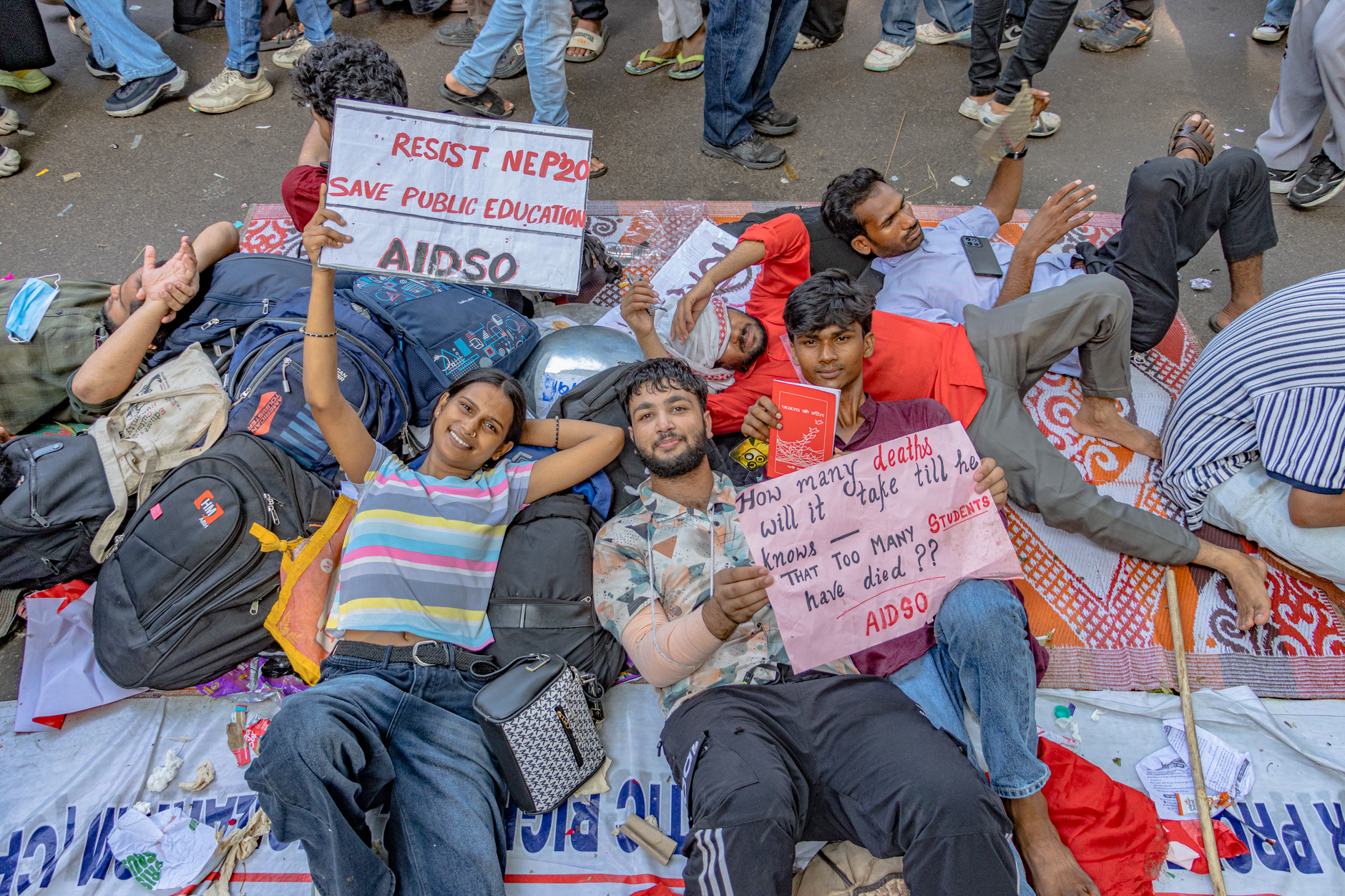
A new term has entered India's political lexicon—the "Cockroach" movement—a student-led resistance that has caught the attention of policymakers and the public alike. The unusual name, reportedly chosen by protesters themselves, references the resilience and ubiquity of cockroaches, symbolizing a movement that cannot be easily stamped out. This grassroots mobilization by students and young graduates reflects deeper anxieties about India's education system and employment landscape.
Origins of the Movement
The movement finds its roots in multiple grievances that have accumulated over recent years. Students across various states have organized protests addressing issues ranging from entrance exam irregularities to concerns about the quality and affordability of higher education. The decentralized nature of these protests—occurring simultaneously in different cities without centralized leadership—has made them particularly difficult to address through traditional political channels.
Young Indians are increasingly vocal about what they perceive as a disconnect between their educational qualifications and actual job opportunities. Despite obtaining degrees from universities and colleges, many graduates find themselves either unemployed or underemployed, working in positions that don't match their qualifications or aspirations.
Key Demands and Concerns
The protesters have highlighted several specific issues that unite students from different backgrounds:
- Reform of competitive examination systems, including demands for greater transparency and consistency in tests like NEET, JEE, and various state-level entrance exams
- Better quality control and accreditation for universities, particularly private institutions
- More government job opportunities for educated youth
- Concerns about the National Education Policy implementation and its impact on access to higher education
- Demands for reduced education costs and better scholarship programs
- Calls for curriculum reforms that better prepare students for modern job markets
The Employment Challenge
At the heart of the movement lies India's youth unemployment crisis. Despite being one of the world's fastest-growing major economies, India faces a significant challenge in creating enough quality jobs for its educated youth. According to various estimates, unemployment among graduates is higher than among those with lower educational qualifications—a paradox that frustrates millions of families who invest heavily in their children's education.
The competition for government jobs has become particularly intense. Positions that once attracted hundreds of applicants now see lakhs (hundreds of thousands) of candidates competing for a handful of openings. This desperation has been highlighted by incidents where highly qualified individuals—engineers and postgraduates—apply for lower-level positions just to secure stable employment.
Why It Matters Politically
The "Cockroach" moniker itself carries political significance. By choosing a term that suggests persistence despite attempts at suppression, students are signaling their determination to continue pressing for change regardless of governmental response. The movement's decentralized structure makes it resistant to traditional methods of political negotiation or suppression, as there are no single leaders to co-opt or target.
For any government, this represents a unique challenge. India's youth population is enormous—the country has one of the world's youngest demographics, with a median age around 28 years. This demographic dividend, often touted as an economic advantage, can become a political liability if young people feel the system has failed them.
Broader Implications
The movement reflects broader questions about India's development model. While the economy has grown significantly, the benefits have not been evenly distributed, and job creation has not kept pace with the number of young people entering the workforce each year. Education, traditionally seen as the pathway to upward mobility in Indian society, is increasingly viewed as insufficient on its own.
The protests also highlight generational shifts in political engagement. Today's students, connected through social media and more aware of global trends, are more willing to question established systems and demand accountability. They compare their prospects not just with previous generations in India but with opportunities available to young people globally.
Looking Forward
The persistence of student protests suggests that educational and employment reforms will need to be prioritized by policymakers. Whether the movement evolves into a more organized political force or remains a series of decentralized protests, it has already succeeded in bringing youth concerns to the forefront of national conversation.
The resolution of these issues will likely require comprehensive approaches—from education system reforms to economic policies that prioritize job creation in sectors where educated youth can find meaningful employment. As India aspires to become a developed nation by 2047, addressing the anxieties of its young population will be crucial to achieving that goal.