India has taken a major step forward in public health with the approval of QDENGA, the country's first dengue vaccine. This development comes as a significant relief for a nation that reports millions of dengue cases annually, with the disease posing a substantial burden on healthcare systems, particularly during monsoon seasons.
Understanding QDENGA
QDENGA is a live-attenuated tetravalent dengue vaccine developed by Takeda Pharmaceutical Company. The term "tetravalent" is crucial here—it means the vaccine protects against all four serotypes of the dengue virus (DENV-1, DENV-2, DENV-3, and DENV-4). This comprehensive coverage is essential because infection with one serotype does not provide lasting immunity against the others, and subsequent infections with different serotypes can lead to severe dengue.
The vaccine has already received regulatory approval in several countries across Europe, Latin America, and Asia, and has been recommended by the World Health Organization for use in children aged 6-16 years in endemic settings.
How Effective Is QDENGA
Clinical trials have demonstrated QDENGA's effectiveness in preventing dengue infection and particularly in reducing severe dengue and hospitalizations. The vaccine showed overall efficacy of approximately 80 percent in preventing hospitalization due to dengue and 90 percent efficacy against severe dengue in clinical studies.
The vaccine's effectiveness varies slightly depending on whether an individual has been previously exposed to dengue. Studies indicate that it provides robust protection in both seropositive individuals (those who have had prior dengue infection) and seronegative individuals (those who have never been infected), though the level of protection may differ between these groups.
Protection from QDENGA appears to be sustained over time, with studies showing continued effectiveness for at least four and a half years after vaccination, with ongoing monitoring to assess longer-term immunity.
Dosing Schedule
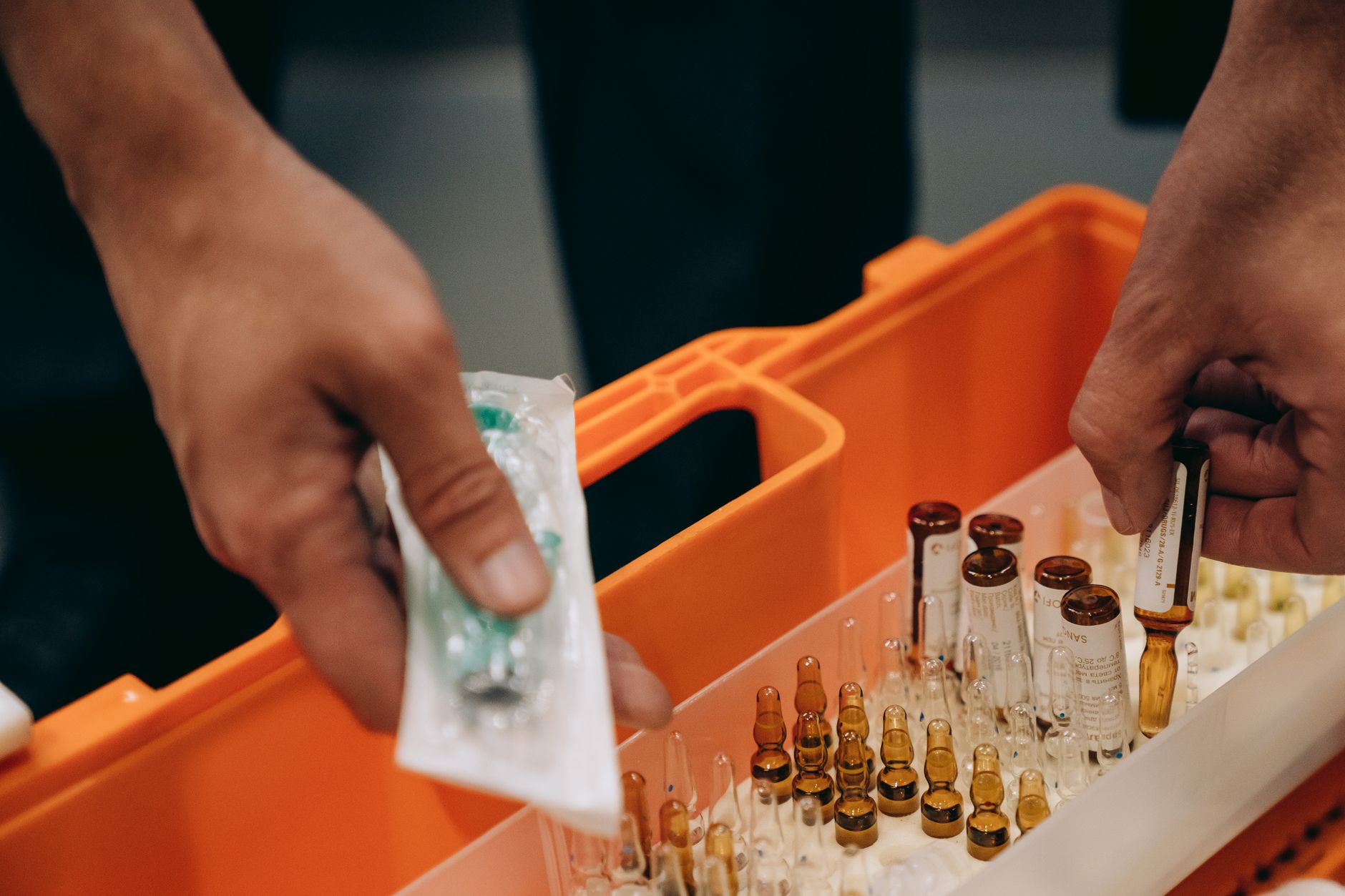
QDENGA requires a two-dose regimen administered subcutaneously. The doses are given three months apart, meaning patients need to return for a second injection approximately 90 days after the first dose. Completing both doses is essential for optimal protection against all four dengue serotypes.
This schedule is relatively convenient compared to many other vaccination programs, requiring just two clinic visits spread over a quarter of the year.
Who Is Eligible
In India, QDENGA is approved for individuals aged 4 to 60 years living in dengue-endemic areas. This broad age range covers children, adolescents, and adults who are at risk of dengue infection.
The vaccine can be administered to both individuals who have previously had dengue infection and those who have never been infected. This is a significant advantage, as prior dengue status does not need to be confirmed through testing before vaccination, simplifying the immunization process.
Why This Matters for India
Dengue fever has been a growing public health challenge in India, with cases reported from all states and union territories. The disease typically surges during and after the monsoon season when mosquito breeding increases. Urban and semi-urban areas are particularly affected due to favorable conditions for the Aedes aegypti mosquito that transmits dengue.
The symptoms of dengue range from mild fever to severe manifestations including dengue hemorrhagic fever and dengue shock syndrome, which can be fatal. Children and individuals with compromised immune systems are especially vulnerable to severe forms of the disease.
What to Expect Going Forward
The introduction of QDENGA adds a powerful new tool to India's dengue control strategy, which has primarily relied on mosquito control measures and public awareness campaigns. However, vaccination should be seen as complementary to, not a replacement for, existing prevention measures.
Individuals interested in receiving the vaccine should consult with healthcare providers to determine if vaccination is appropriate for them. The vaccine will likely be made available through private healthcare facilities initially, with potential for broader public health program inclusion in the future.
Healthcare experts emphasize that even after vaccination, people should continue practicing mosquito bite prevention, including using mosquito repellents, wearing protective clothing, and eliminating mosquito breeding sites around homes.
This article is for general informational purposes only and should not be considered medical advice. Individuals should consult qualified healthcare professionals for personalized medical guidance regarding vaccination decisions and dengue prevention strategies appropriate to their specific circumstances and health conditions.