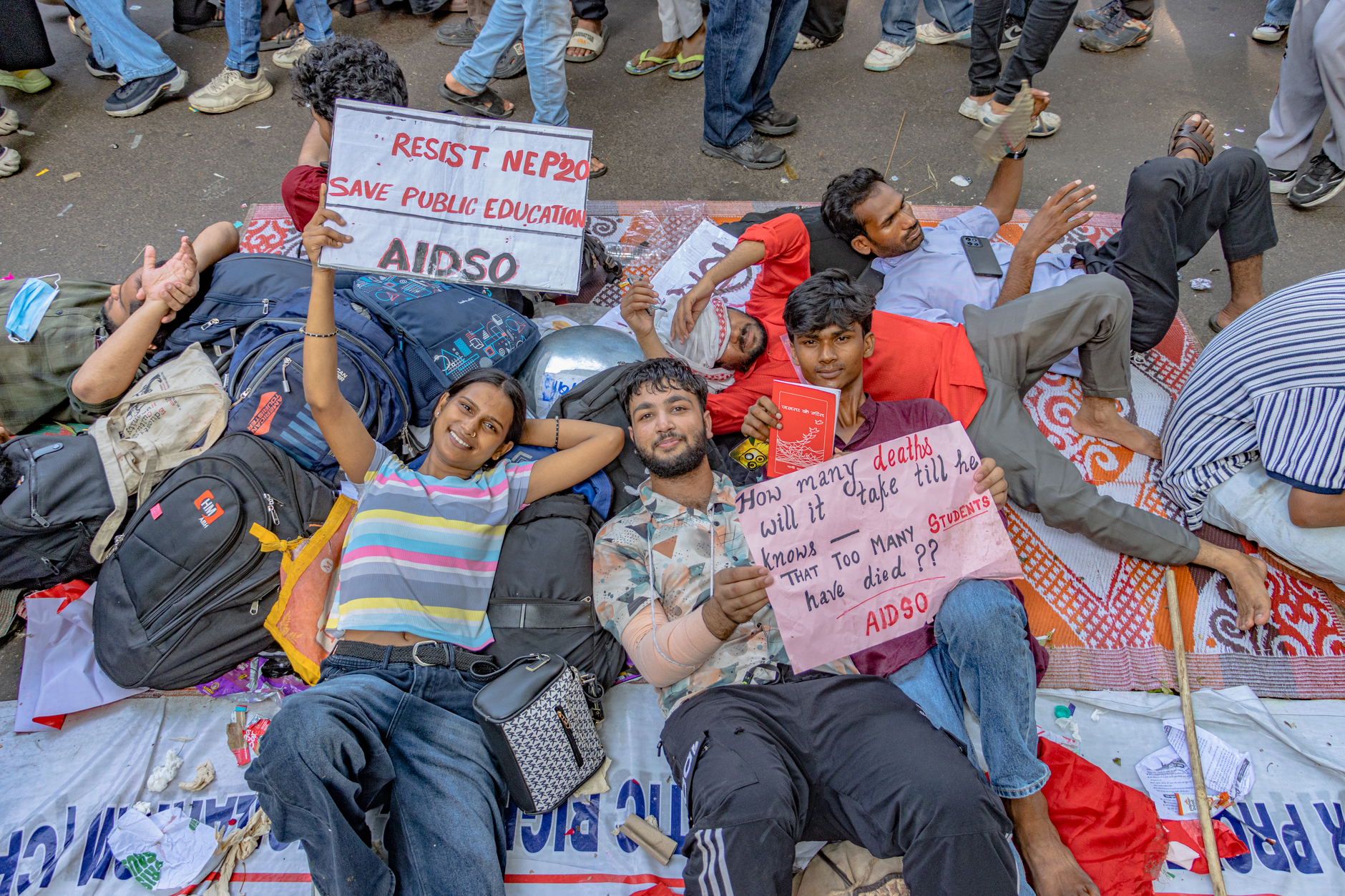
India's youngest generation is voicing unprecedented discontent with the country's education system, signaling a growing divide between what students learn in classrooms and what employers demand in the workplace. This frustration reflects deeper anxieties about job prospects, outdated curricula, and an examination culture that many argue prioritizes rote memorization over critical thinking.
The Disconnect Between Education and Employment
Generation Z students across India report feeling unprepared for the competitive job market despite years of formal education. Many university graduates discover that their degrees hold limited practical value when seeking employment, particularly in rapidly evolving sectors like technology, digital marketing, and data analytics.
The traditional Indian education model, which heavily emphasizes theoretical knowledge and standardized testing, has struggled to keep pace with the skills-based requirements of 21st-century employers. Students often graduate with impressive marks but lack hands-on experience in coding, project management, communication skills, or other competencies that companies actively seek.
This gap has fueled a booming private coaching industry, where students pay additional fees to acquire skills their formal education should have provided. From coding bootcamps to personality development courses, young Indians are spending significant time and money supplementing their university education.
Examination Pressure and Mental Health Concerns
India's examination-centric approach to education places enormous pressure on students from an early age. Competitive entrance exams for engineering, medical, and administrative careers attract millions of aspirants annually, with acceptance rates often below one percent for premier institutions.
This intense competition has contributed to rising mental health concerns among young people. Students report experiencing anxiety, depression, and burnout as they navigate coaching classes, school assignments, and constant performance evaluations. The pressure to secure admission to top-tier institutions or achieve high marks can overshadow the actual learning process.
Many Gen Z voices argue that this system rewards memorization and test-taking strategies rather than genuine understanding or creativity. The ability to reproduce information in examinations becomes more valued than problem-solving skills, innovation, or independent thinking.
Limited Opportunities and Growing Frustration
Despite India's large youth population, employment opportunities have not kept pace with the number of graduates entering the workforce each year. Unemployment rates among educated youth remain a persistent challenge, leading to situations where highly qualified individuals compete for positions that don't require their level of education.
The mismatch between educational credentials and available jobs has created widespread disillusionment. Engineering graduates driving taxis or commerce students working in unrelated fields have become common scenarios that highlight the systemic inefficiencies.
This frustration extends beyond just employment concerns. Many students question whether the current education system equips them to become entrepreneurs, innovators, or global citizens capable of addressing contemporary challenges like climate change, technological disruption, or social inequality.
Calls for Comprehensive Reform
Young Indians are increasingly vocal about their expectations for education reform. They advocate for curricula that emphasize practical skills, critical thinking, and interdisciplinary learning rather than narrow specialization based on rigid science-commerce-arts divisions.
There is growing demand for:
- Integration of vocational training and apprenticeship opportunities within formal education
- Updated course content that reflects current industry practices and emerging technologies
- Greater emphasis on soft skills including communication, collaboration, and emotional intelligence
- Flexibility in choosing subjects across traditional academic boundaries
- Mental health support systems within educational institutions
- More transparent and merit-based admission processes
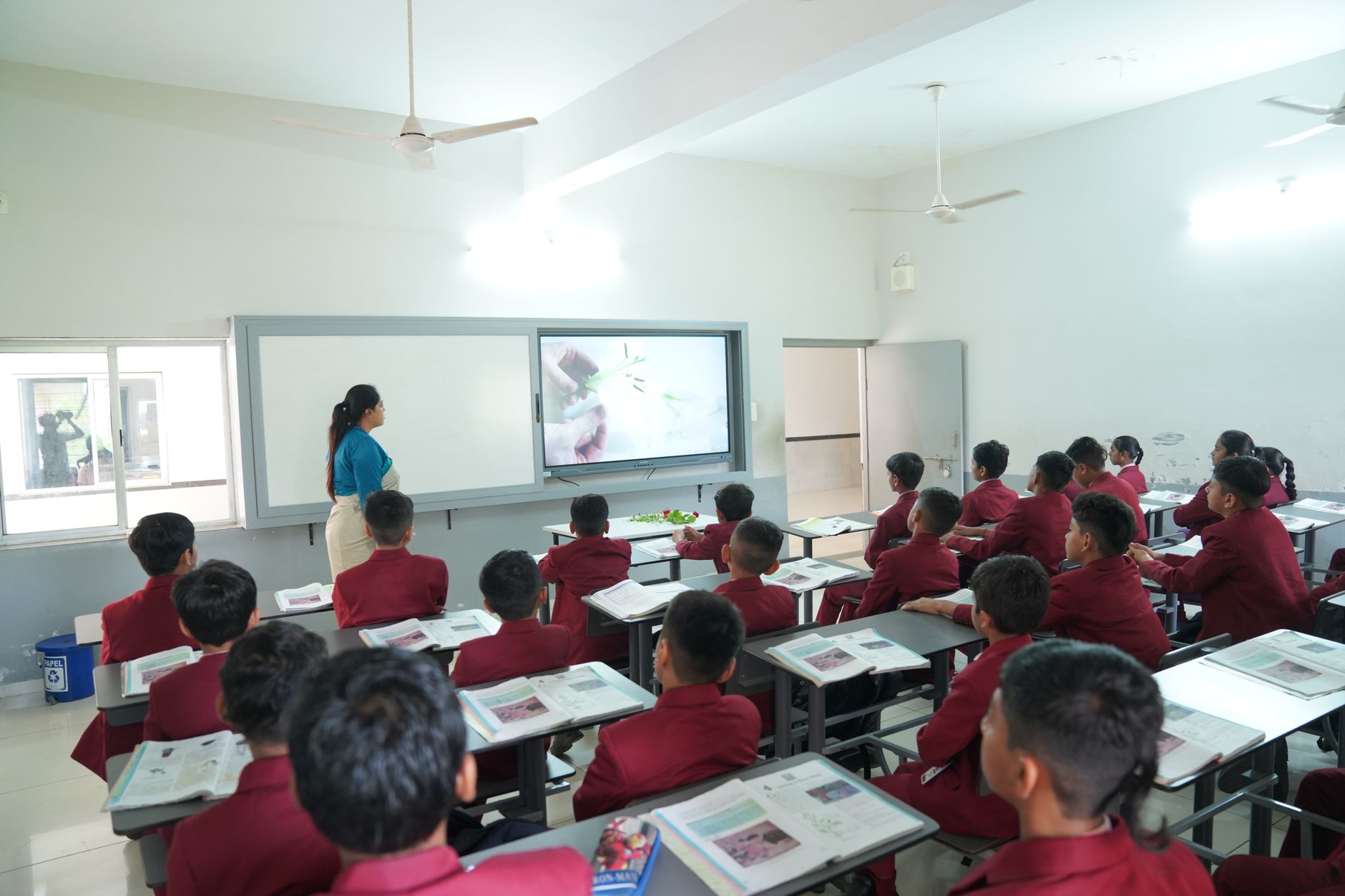
Students are also calling for better infrastructure in government schools and colleges, improved teacher training programs, and increased investment in research and development at the university level.
The Digital Divide and Access Issues
While urban students have some access to alternative learning resources through online platforms and private coaching, students from rural areas and economically disadvantaged backgrounds face additional barriers. The digital divide means that quality educational content, career guidance, and skill development opportunities remain out of reach for millions of young Indians.
This inequality perpetuates cycles of disadvantage and limits social mobility, contradicting the promise that education serves as an equalizer in society.
A Generation Demanding Change
India's Gen Z represents the country's largest demographic cohort and its future workforce. Their frustration with the education system reflects not just youthful impatience but legitimate concerns about national competitiveness in a globalized economy. How policymakers respond to these demands will significantly impact India's ability to harness its demographic dividend and create inclusive economic growth in the coming decades.
The voices of dissatisfied students cannot be easily dismissed as they represent valuable feedback about institutional shortcomings that require urgent attention and meaningful action.