When India's contingent traveled to Glasgow for the Commonwealth Games, they carried more than just their sporting ambitions. Behind the scenes, a dedicated medical team led by sports medicine experts worked tirelessly to ensure that not a single athlete's performance was compromised by preventable illness. Dr. Dinshaw Pardiwala, a prominent figure in Indian sports medicine, recently detailed the extensive health protocols that kept India's athletes in peak condition throughout the competition.
The Challenge of International Competitions
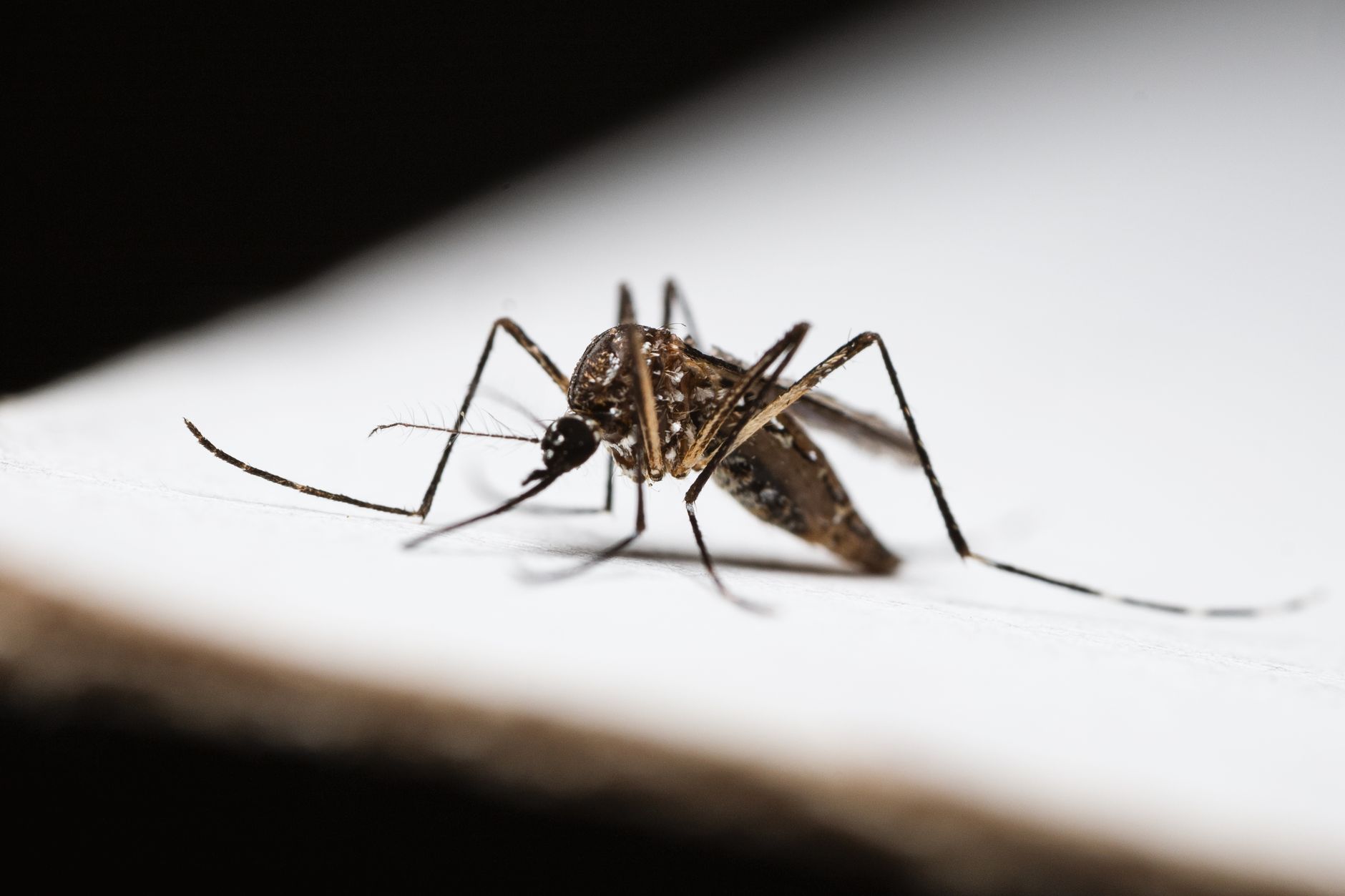
Major multi-sport events like the Commonwealth Games present unique health challenges. Athletes from dozens of countries converge in close quarters, sharing training facilities, dining areas, and living spaces. This environment creates the perfect conditions for illness transmission, particularly respiratory infections like influenza. For athletes who have trained for years to compete at their peak, even a minor illness can derail Olympic-level dreams.
The situation becomes more complex when considering jet lag, climate changes, unfamiliar food, and the physical stress of competition itself. All these factors can temporarily weaken immune systems, making athletes more susceptible to infections precisely when they need to be at their strongest.
Comprehensive Health Shield Protocols
The Indian medical team implemented a multi-layered approach to athlete health protection. This began well before departure, with pre-travel health assessments and immunization checks for all contingent members. Athletes were screened for any underlying conditions that might be exacerbated by travel or competition stress.
Upon arrival in Glasgow, the team established strict hygiene protocols. Hand sanitization stations were set up in common areas, and athletes received regular briefings about infection prevention measures. The medical staff monitored athletes daily for any signs of illness, allowing for early intervention before minor symptoms could escalate.
Nutrition and Immunity Management
A crucial component of the health strategy involved nutrition management. The medical team worked closely with nutritionists to ensure athletes maintained balanced diets that supported immune function. This included adequate intake of vitamins and minerals known to support immunity, proper hydration protocols, and careful monitoring of meal timings to align with training and competition schedules.
Special attention was paid to food safety, with the team verifying the hygiene standards of dining facilities and sometimes arranging for specific meal preparations to meet both cultural preferences and nutritional requirements of Indian athletes.
Rapid Response Systems
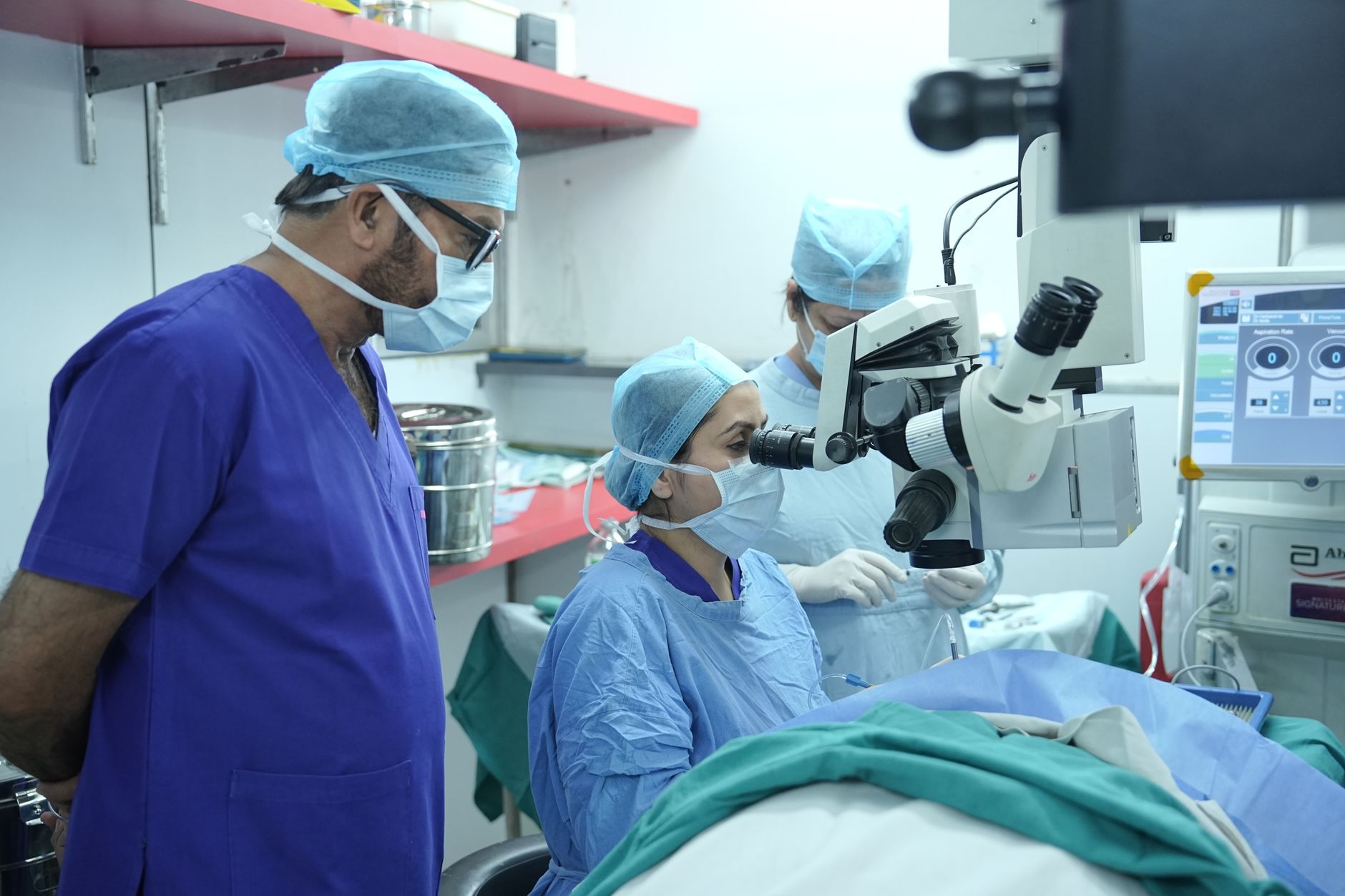
Despite all preventive measures, the team prepared for potential health emergencies. A 24-hour medical support system was established, with doctors and physiotherapists on standby at all times. The team brought essential medications, diagnostic equipment, and treatment supplies to enable quick response to any health issues.
This preparedness extended to mental health support as well, recognizing that psychological well-being directly impacts physical health and performance. Sports psychologists were available to help athletes manage competition stress and maintain mental resilience.
Lessons for Future Competitions
The success of India's health protocols at Glasgow offers valuable lessons for future international sporting events. The "no flu on our watch" approach demonstrates that proactive health management is as crucial as physical training for competitive success. The integration of preventive medicine, nutrition science, and rapid response systems creates a comprehensive safety net for athletes.
This model has broader applications beyond elite sports. The same principles of preventive health, early detection, and swift intervention can benefit any organization managing groups in high-stress, high-contact environments.
The Broader Impact on Indian Sports Medicine
The Glasgow experience showcases India's growing expertise in sports medicine and athlete health management. As India continues to invest in sports infrastructure and athlete development, medical support systems are becoming increasingly sophisticated. This evolution helps level the playing field with more established sporting nations and gives Indian athletes the comprehensive support they need to compete internationally.
The detailed protocols developed for events like the Commonwealth Games also contribute to knowledge-building in sports medicine, with insights that can be applied to training camps, domestic competitions, and athlete preparation programs across the country.
The success story from Glasgow represents more than just avoiding illness—it reflects a holistic approach to athlete welfare that recognizes health as the foundation of sporting excellence. As India aims for greater success in international competitions, such comprehensive medical support will continue to play a vital role in transforming athletic potential into podium performances.