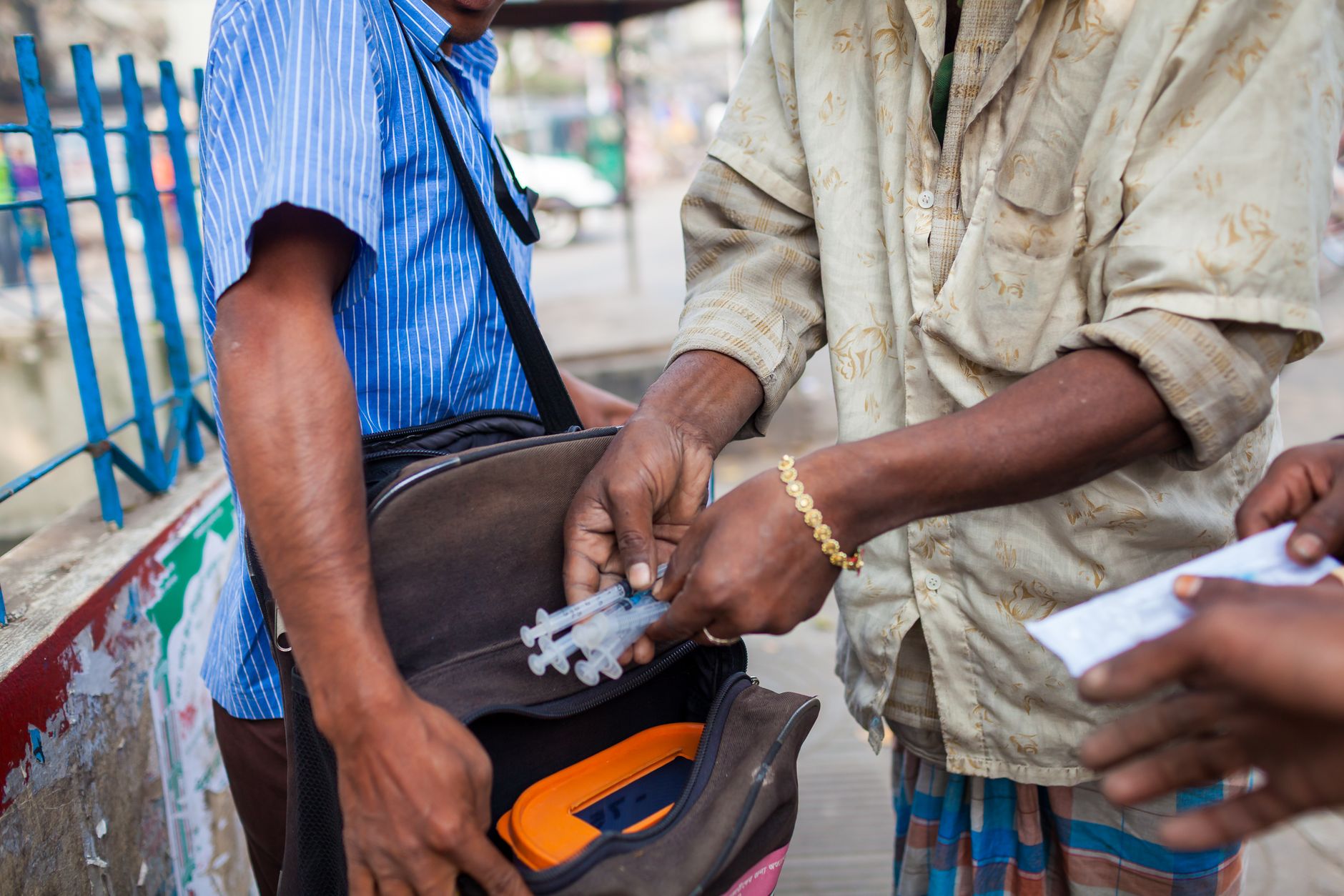
India has accelerated its commitment to eliminate viral hepatitis as a major public health concern by 2030, a goal that aligns with the World Health Organization's global health agenda. This ambitious initiative addresses a disease that silently affects millions of Indians, often going undetected until it causes severe liver damage.
Understanding the Hepatitis Burden in India
Hepatitis, an inflammation of the liver caused primarily by viral infections, remains a significant health challenge in India. The country carries a substantial burden of both Hepatitis B and Hepatitis C, with estimates suggesting that millions of Indians live with chronic hepatitis infections. Many individuals remain unaware of their infection status because the disease often presents no symptoms in its early stages.
The five main types of viral hepatitis—A, B, C, D, and E—affect the liver differently. While Hepatitis A and E typically cause acute infections transmitted through contaminated water and food, Hepatitis B and C can lead to chronic infections that may result in cirrhosis, liver failure, or liver cancer if left untreated. Hepatitis D only occurs in those already infected with Hepatitis B.
Key Components of India's Elimination Strategy
India's hepatitis elimination efforts involve a multi-pronged approach targeting prevention, diagnosis, and treatment across the population.
- Expanded screening and testing programs to identify infected individuals early
- Free or subsidized antiviral treatment for Hepatitis B and C patients
- Universal immunization programs including Hepatitis B vaccination for newborns
- Awareness campaigns to educate the public about transmission and prevention
- Safe injection practices and blood screening protocols in healthcare settings
- Improved sanitation and access to clean drinking water to prevent Hepatitis A and E
The government has been working to integrate hepatitis services into existing healthcare infrastructure, making testing and treatment more accessible in both urban and rural areas. This includes leveraging the Ayushman Bharat program and primary health centers to reach underserved populations.
The Treatment Revolution
One of the most significant developments in hepatitis care has been the availability of highly effective direct-acting antiviral drugs for Hepatitis C. These medications can cure the infection in 8-12 weeks with minimal side effects, representing a dramatic improvement over older treatments. India has negotiated for affordable generic versions of these drugs, making them accessible to a broader population.
For Hepatitis B, while a complete cure remains elusive, antiviral medications can effectively suppress the virus, prevent liver damage, and significantly reduce the risk of complications. Early diagnosis and treatment initiation are crucial for optimal outcomes.
Challenges on the Path to Elimination
Despite progress, several obstacles remain in achieving the 2030 elimination target. Stigma associated with hepatitis continues to prevent people from seeking testing and treatment. Many individuals, particularly in rural areas, lack awareness about the disease and available services.
The asymptomatic nature of chronic hepatitis means that large-scale screening efforts are essential to identify infections. Healthcare infrastructure in remote regions may lack adequate diagnostic facilities and trained personnel. Additionally, ensuring treatment adherence and long-term follow-up care requires sustained commitment from both patients and the healthcare system.
What Individuals Can Do
Public participation is crucial for successful hepatitis elimination. Getting tested, especially if you fall into high-risk categories, is the first step. High-risk groups include healthcare workers, people who received blood transfusions before mandatory screening protocols, individuals who inject drugs, and those with multiple sexual partners.
Vaccination against Hepatitis B is safe, effective, and available through government programs. Ensuring children receive their complete vaccination schedule provides lifelong protection. Adults who haven't been vaccinated should consult healthcare providers about immunization.
Practicing good hygiene, drinking clean water, eating properly cooked food, and avoiding sharing needles or personal items like razors can prevent transmission. Safe practices during medical and dental procedures also reduce infection risk.
Looking Ahead
India's commitment to hepatitis elimination represents a significant public health investment that could save countless lives and reduce the disease burden substantially. Success will require continued political will, adequate funding, healthcare system strengthening, and community engagement. With sustained efforts and increased awareness, the 2030 elimination goal, while ambitious, remains achievable.
This article is for general information purposes only and should not replace professional medical advice. If you have concerns about hepatitis or need testing and treatment, please consult qualified healthcare providers for personalized guidance.