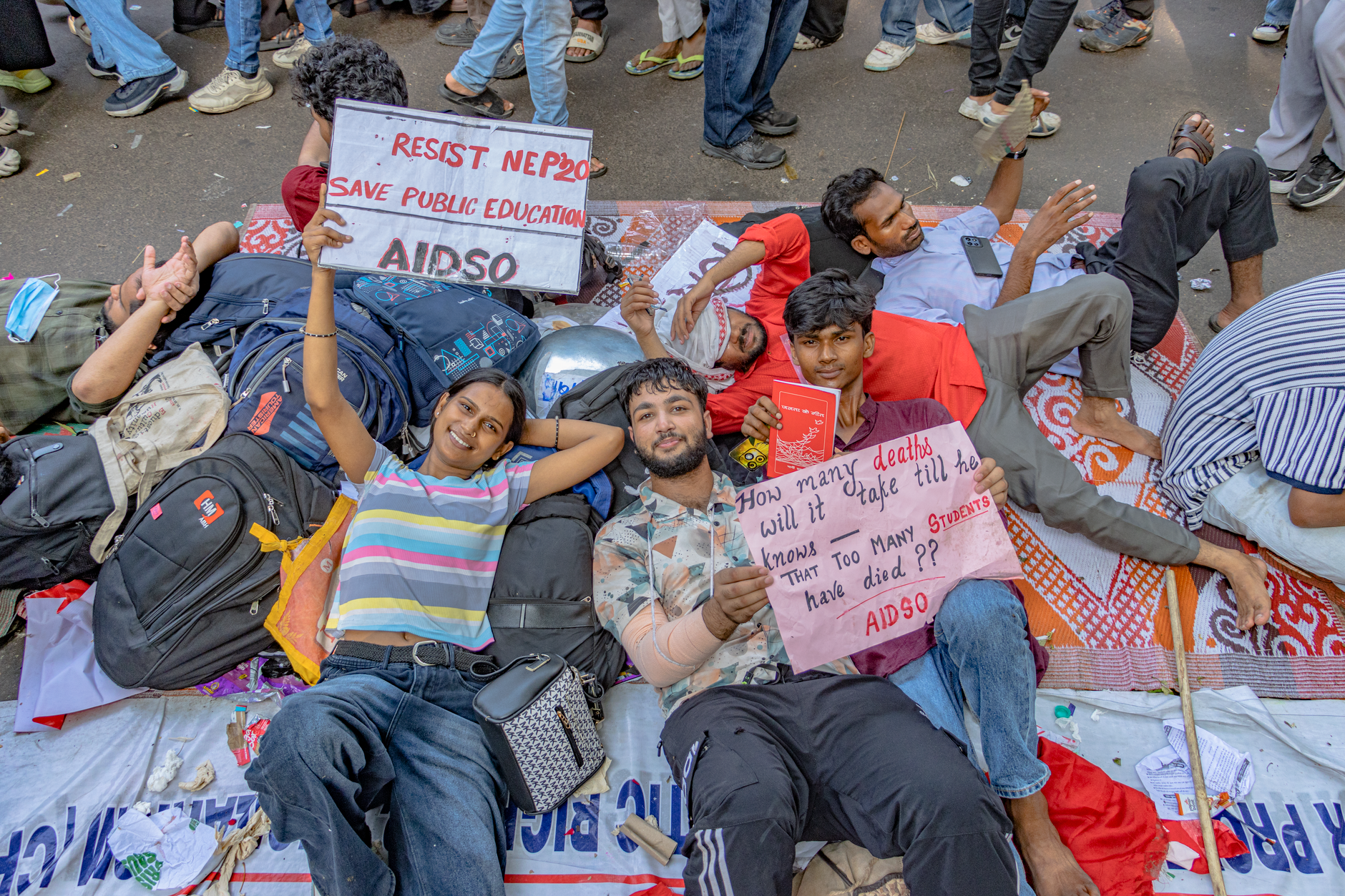
The recent removal of a senior education minister from their post has thrust India's student activism into the spotlight, raising important questions about the power of grassroots movements and the future of educational reform in the country. This development marks a significant moment for student-led protests that have been gaining momentum across Indian campuses.
Understanding the Student Movement
Student movements in India have a long and storied history, from the independence struggle to recent campaigns for fee reductions, campus autonomy, and quality education. The current wave of activism reflects growing frustration among young Indians regarding educational accessibility, examination reforms, curriculum changes, and infrastructure issues at both school and university levels.
The movement has been characterized by sustained protests, social media campaigns, and coordinated action across multiple states. Students have raised concerns about several key issues including competitive examination processes, fee structures, seat reservations, and the implementation of new education policies that many feel were introduced without adequate consultation.
Why Ministers Face Accountability
The dismissal of an education minister following student protests represents a rare instance of direct accountability in Indian politics. Such removals typically occur when public pressure becomes too significant to ignore, or when the political cost of maintaining a minister outweighs the benefits.
Several factors usually contribute to such decisions:
- Sustained media attention highlighting administrative failures
- Pressure from opposition parties leveraging student discontent
- Concerns about electoral consequences in regions with large youth populations
- Internal party assessments regarding damage control
The minister's exit sends a clear signal that student voices, when organized and persistent, can influence high-level political decisions.
Key Demands on the Table
Student activists across India have articulated several core demands that extend beyond individual ministerial changes. These include comprehensive examination reform to reduce pressure on students, increased government spending on public education infrastructure, transparent admission processes for competitive programs, and meaningful student representation in policy-making bodies.
Many students have also called for addressing the growing commercialization of education, where private institutions charge substantial fees while government institutions struggle with resource constraints. The digital divide exposed during pandemic-era online learning remains another pressing concern.
Challenges Ahead for the Movement
While the minister's removal represents a symbolic victory, sustaining momentum presents significant challenges. Student movements often face difficulty maintaining unity across diverse groups with varying priorities. Regional differences, institutional hierarchies, and political affiliations can fragment collective action.
The movement must also navigate the risk of political co-option, where established parties attempt to channel student energy toward partisan ends rather than genuine reform. Additionally, without clear organizational structures, student movements can struggle to translate protest into concrete policy proposals that bureaucrats and legislators can implement.
The Path Forward
For the movement to achieve lasting impact, several strategic steps become crucial. Building institutional memory through documentation and mentorship ensures that activism doesn't restart from scratch with each new student batch. Developing specific, actionable policy proposals gives authorities clear roadmaps for implementation.
Creating coalitions with teachers, parents, and education experts broadens the movement's legitimacy and expertise. Engaging constructively with government committees and education boards, while maintaining pressure through protests, offers a dual-track approach.
Broader Implications
This moment reflects larger trends in Indian democracy, where social media has empowered younger citizens to organize rapidly and hold institutions accountable. The education sector, affecting millions of families, represents particularly fertile ground for such activism.
The government's response will set precedents for how student concerns are addressed in future policy-making. Whether this leads to genuine structural reforms or merely cosmetic changes remains to be seen.
What Success Looks Like
Ultimately, the movement's success should be measured not by individual dismissals but by substantive improvements in educational outcomes. This includes better teacher-student ratios, modernized curricula that prepare students for evolving job markets, reduced examination stress, and equitable access regardless of socioeconomic background.
The real test lies ahead: converting this moment of visibility into sustained engagement with education reform. Students must now decide whether to declare victory and disperse, or to build durable institutions that can advocate for change over the long term.
The coming months will reveal whether India's student activists can transform protest energy into lasting educational transformation, or whether this becomes another brief chapter in the ongoing struggle for quality, accessible education across the country.