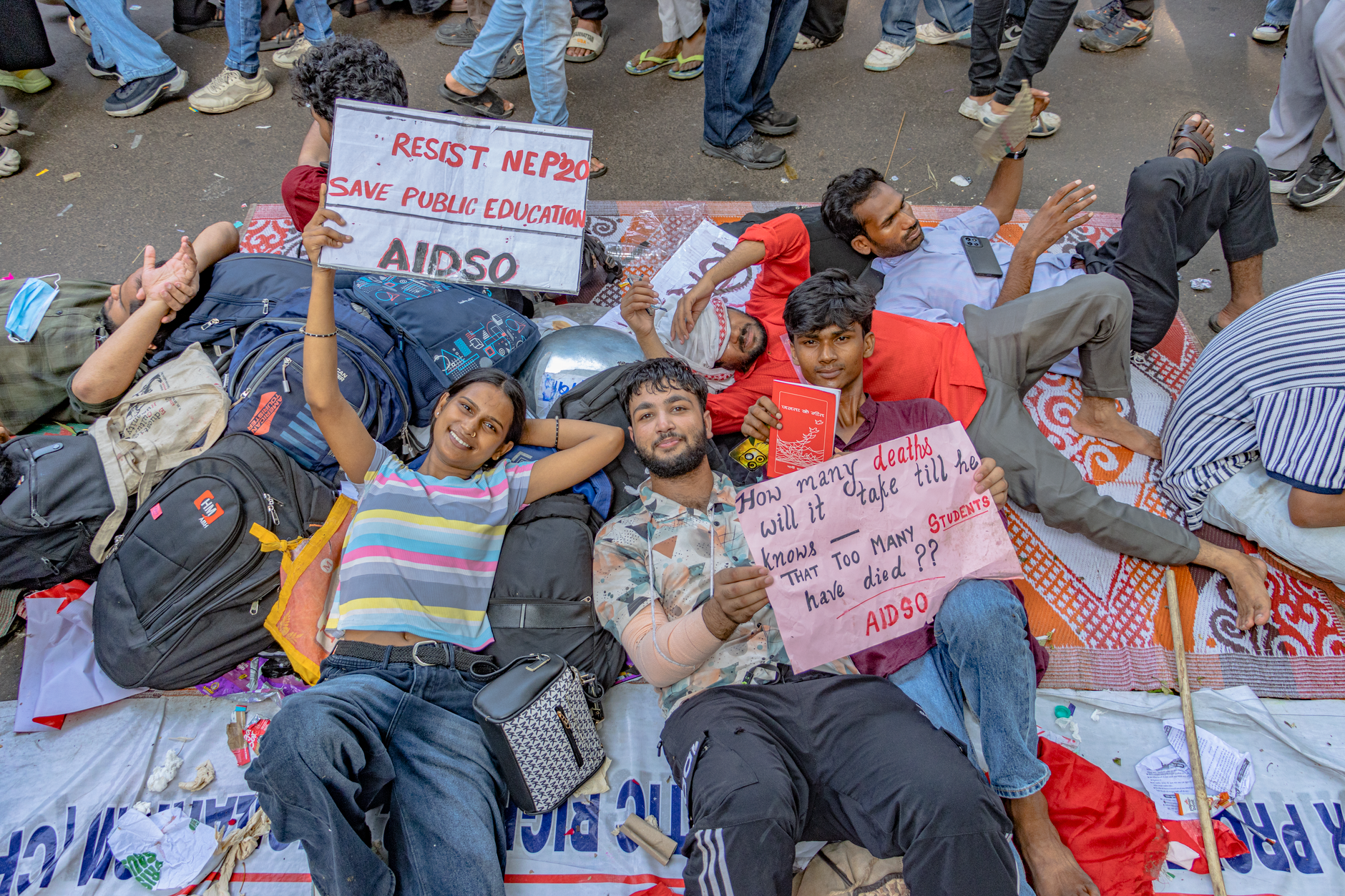
Student activism in India has reached a crescendo in recent months, with young people mobilizing across universities and colleges to demand meaningful reforms in the country's education system. While authorities have made some concessions in response to these demonstrations, protesters argue that quick fixes and damage control measures fall far short of addressing the deep-rooted problems plaguing Indian education.
The Catalyst for Campus Unrest
India's education sector has long grappled with systemic issues ranging from outdated curricula to inadequate infrastructure and limited opportunities for critical thinking. The current wave of protests represents a growing frustration among students who feel that the system prioritizes rote learning over skill development and practical knowledge. Many young Indians believe their education doesn't adequately prepare them for the modern job market or foster the creativity and innovation needed in a rapidly evolving global economy.
The protests have been fueled by a generation that is more connected, informed, and vocal than any before. Social media has amplified student voices, allowing local campus concerns to quickly gain national attention. This digital connectivity has enabled protesters to organize efficiently, share grievances, and build solidarity across different institutions and states.
Beyond Quick Fixes
While some educational institutions and government bodies have responded to protests with policy adjustments or promises of reform, student leaders maintain these responses amount to little more than damage control. They argue that superficial changes—such as minor adjustments to examination patterns or temporary fee freezes—don't address fundamental structural problems.
The demands from protesting students are comprehensive and ambitious. They include curriculum modernization to reflect contemporary realities, increased autonomy for educational institutions, more transparent admission processes, affordable education for all economic classes, and greater student participation in university governance. Many also call for a shift away from the examination-centric model that has defined Indian education for generations.
The Employment Crisis Connection
A major driving force behind student activism is the disconnect between educational outcomes and employment opportunities. Despite India's growing economy, youth unemployment remains stubbornly high. Graduate unemployment is particularly concerning, with many degree holders unable to find jobs that match their qualifications or aspirations.
Students argue that the current education system produces graduates who lack the practical skills, critical thinking abilities, and specialized knowledge that today's employers seek. They point to the need for more vocational training, industry partnerships, internship opportunities, and courses that align with emerging sectors like technology, renewable energy, and digital services.
A Question of Autonomy and Freedom
Another significant concern raised by protesters relates to academic freedom and institutional autonomy. Students have expressed frustration over what they perceive as excessive government interference in educational matters, including course content, faculty appointments, and campus policies. Many argue that universities should have greater independence to innovate, experiment with teaching methods, and create learning environments that encourage open debate and diverse perspectives.
The issue of fee structures has also been contentious, with students from economically disadvantaged backgrounds particularly vocal about the rising cost of higher education. They contend that education is becoming increasingly unaffordable, creating barriers for talented students from lower-income families and undermining the principle of equal opportunity.
The Path Forward
The persistence of student protests suggests that young Indians are no longer willing to accept incremental changes or token gestures. They're demanding a seat at the table when education policies are formulated and implemented. This represents a significant shift in the relationship between students and educational authorities, with young people asserting their right to shape the institutions that shape their futures.
For meaningful reform to occur, experts suggest that dialogue must replace confrontation. This requires educational institutions and policymakers to genuinely engage with student concerns rather than dismissing them as unrealistic or poorly informed. It also demands that reforms be comprehensive, addressing not just symptoms but the underlying causes of student dissatisfaction.
The outcomes of these protests will likely have far-reaching implications for India's education landscape. Whether authorities respond with substantive reforms or continue with damage control measures may determine not only the future of student activism but also India's ability to develop a world-class education system that truly serves its young population.
As India aspires to become a global knowledge economy, the voices of its students—demanding better, more relevant, and more accessible education—may be exactly what the system needs to evolve for the challenges ahead.