India's health challenges are undergoing a significant transformation as the monsoon season brings its annual wave of vector-borne diseases. While dengue cases surge across multiple states, the country simultaneously grapples with declining rates of some traditional infectious diseases and a concerning rise in non-communicable diseases, creating what health experts describe as a double disease burden.
The Dengue Surge During Monsoon
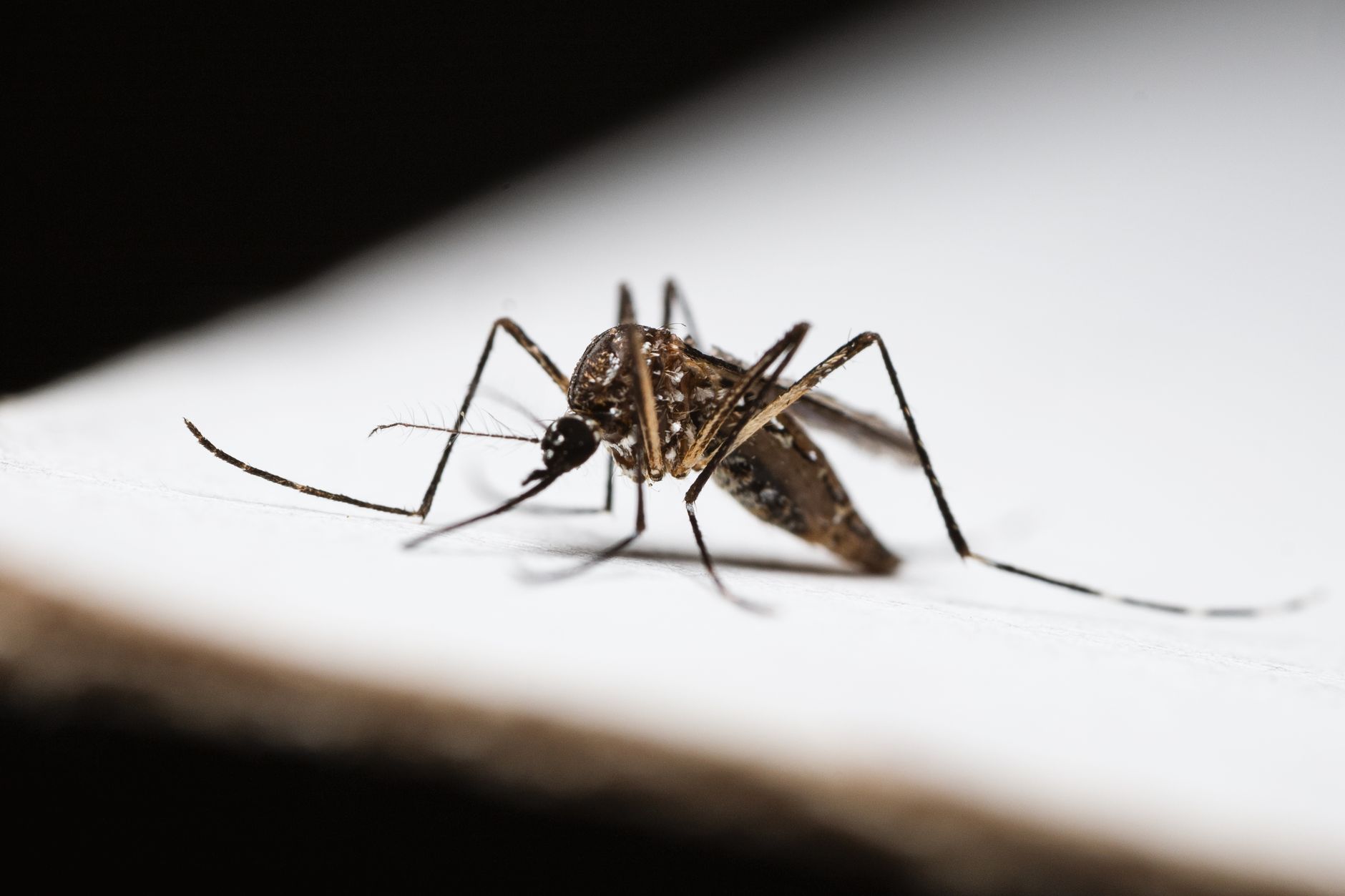
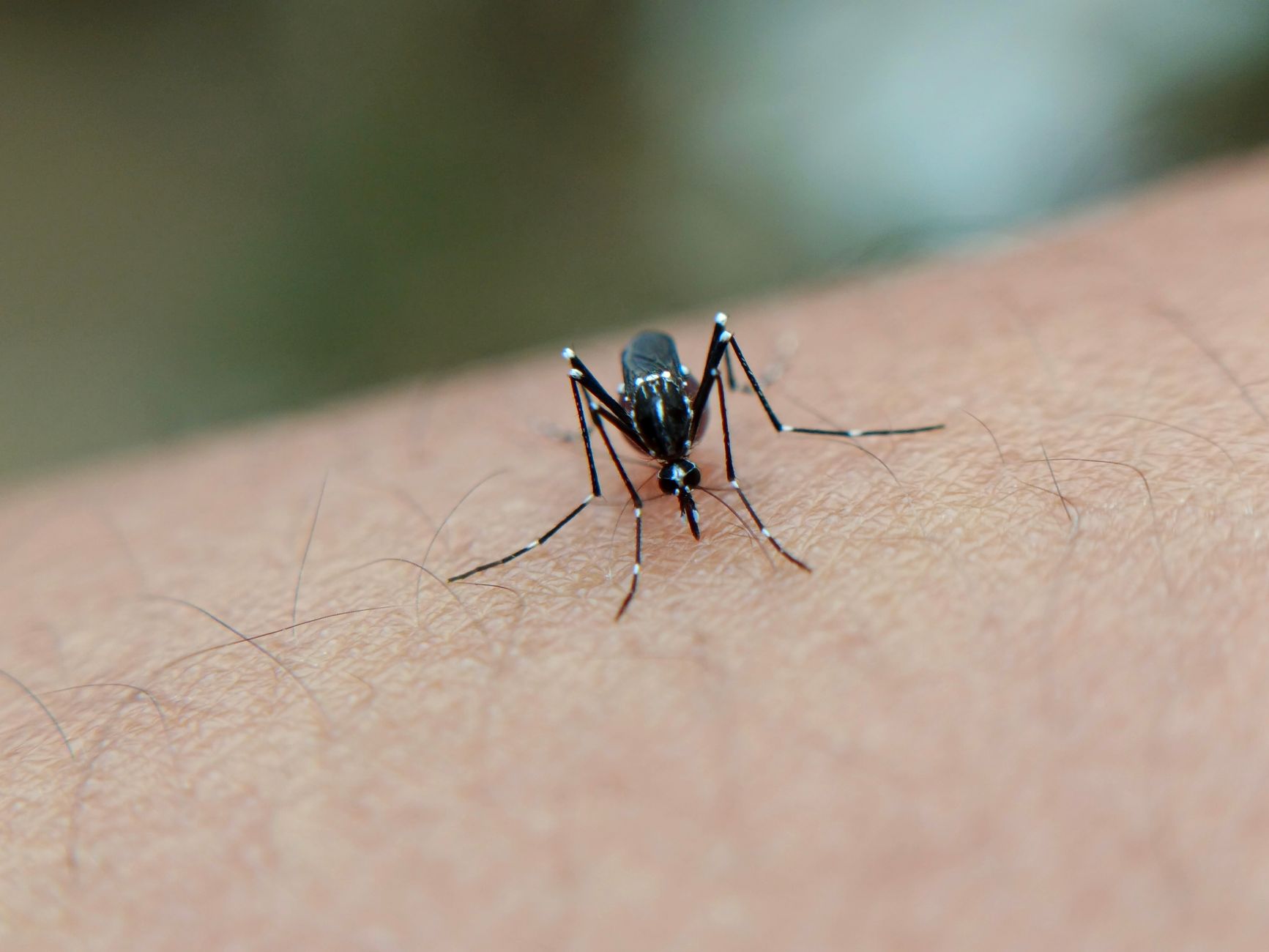
Dengue fever, transmitted by the Aedes aegypti mosquito, has seen a marked increase during the current monsoon season. The disease thrives in conditions created by seasonal rainfall, where stagnant water in containers, tyres, flower pots, and even small puddles becomes breeding grounds for mosquitoes. Urban areas are particularly vulnerable as densely populated neighborhoods with poor drainage systems provide ideal conditions for mosquito proliferation.
Symptoms of dengue include high fever, severe headache, pain behind the eyes, joint and muscle pain, and skin rashes. In severe cases, it can lead to dengue hemorrhagic fever, which can be life-threatening if not treated promptly. The increase in cases places additional strain on healthcare facilities already managing various other monsoon-related illnesses.
Traditional Vector-Borne Diseases on the Decline
While dengue cases climb, there is encouraging news regarding other vector-borne diseases. Malaria and kala-azar (visceral leishmaniasis) have shown declining trends in recent years, reflecting successful public health interventions and disease control programs.
The reduction in malaria cases can be attributed to several factors:
- Widespread distribution of insecticide-treated bed nets in endemic areas
- Improved diagnostic facilities and early treatment access
- Indoor residual spraying programs in high-risk zones
- Better surveillance and monitoring systems
- Community awareness campaigns about prevention methods
Similarly, kala-azar elimination efforts have yielded positive results, particularly in states like Bihar, Jharkhand, and West Bengal, which were historically most affected. Enhanced case detection, free treatment availability, and vector control measures have contributed to this decline.
The Rising Tide of Non-Communicable Diseases
Even as infectious diseases show mixed patterns, India faces a growing epidemic of non-communicable diseases (NCDs). Conditions such as diabetes, hypertension, cardiovascular diseases, and cancer are steadily increasing, affecting both urban and rural populations.
This rise in NCDs reflects changing lifestyle patterns, including sedentary work habits, unhealthy dietary choices, increased consumption of processed foods, tobacco use, and alcohol consumption. The burden of NCDs is particularly concerning because these conditions require long-term management, placing sustained pressure on healthcare infrastructure and family finances.
Understanding the Double Disease Burden
The concept of a double disease burden refers to the simultaneous challenge of managing infectious diseases alongside chronic non-communicable conditions. This phenomenon is particularly pronounced in developing countries undergoing rapid economic and social transitions.
India's healthcare system must now address acute outbreaks of diseases like dengue while also providing continuous care for chronic conditions. This dual challenge requires different healthcare approaches, resources, and infrastructure, making health policy planning increasingly complex.
Prevention Strategies for Monsoon Diseases
To combat the seasonal surge in dengue and other monsoon-related illnesses, several preventive measures are essential:
- Eliminate stagnant water sources around homes and workplaces
- Use mosquito repellents and wear protective clothing
- Install window screens and use mosquito nets while sleeping
- Ensure proper waste disposal to prevent water accumulation
- Maintain clean surroundings and adequate drainage systems
- Seek immediate medical attention if fever or related symptoms appear
The Path Forward
Addressing India's evolving health landscape requires a multi-pronged approach. While maintaining vigilance against infectious diseases through surveillance, vector control, and rapid response systems, equal attention must be paid to preventing and managing NCDs through lifestyle interventions, regular health screenings, and accessible treatment options.
Public health authorities must continue strengthening disease surveillance systems, improving diagnostic capabilities, and ensuring adequate medical supplies and trained personnel. Community participation in prevention efforts, particularly for vector-borne diseases, remains crucial for success.
The monsoon season serves as an annual reminder of India's complex health challenges. Successfully navigating this double disease burden will require sustained commitment, adequate resource allocation, and coordinated efforts between government agencies, healthcare providers, and communities.
This article is for general information purposes only and should not replace professional medical advice. If you experience symptoms of dengue or any illness, please consult a qualified healthcare provider immediately for proper diagnosis and treatment.