Motul India, the Indian subsidiary of the French lubricant manufacturer, has significantly expanded its healthcare outreach initiative, Sehat Ki Samriddhi, to encompass 108 health camps across 27 districts nationwide. This ambitious scaling demonstrates the growing commitment of corporate entities toward addressing healthcare accessibility gaps in India's underserved regions.
Understanding the Sehat Ki Samriddhi Initiative
Sehat Ki Samriddhi, which translates to "Prosperity of Health," represents Motul India's corporate social responsibility effort focused on delivering primary healthcare services to communities with limited access to medical facilities. The initiative typically provides free health screenings, consultations, medicines, and health awareness programmes to beneficiaries across rural and semi-urban areas.
The expansion to 108 camps holds symbolic significance in India, where the number 108 is widely recognized as the emergency ambulance service number, reinforcing the programme's focus on accessible healthcare.
The Growing Role of Corporate Health Initiatives
India faces significant healthcare challenges, with a substantial portion of the population lacking adequate access to quality medical services. According to various health indices, rural areas particularly struggle with doctor-to-patient ratios, infrastructure deficiencies, and affordability concerns.
Corporate-led health camps have emerged as valuable supplementary mechanisms to bridge these gaps. These initiatives typically offer:
- Free basic health check-ups including blood pressure, diabetes, and cholesterol screenings
- Consultations with qualified medical practitioners
- Distribution of essential medicines at no cost
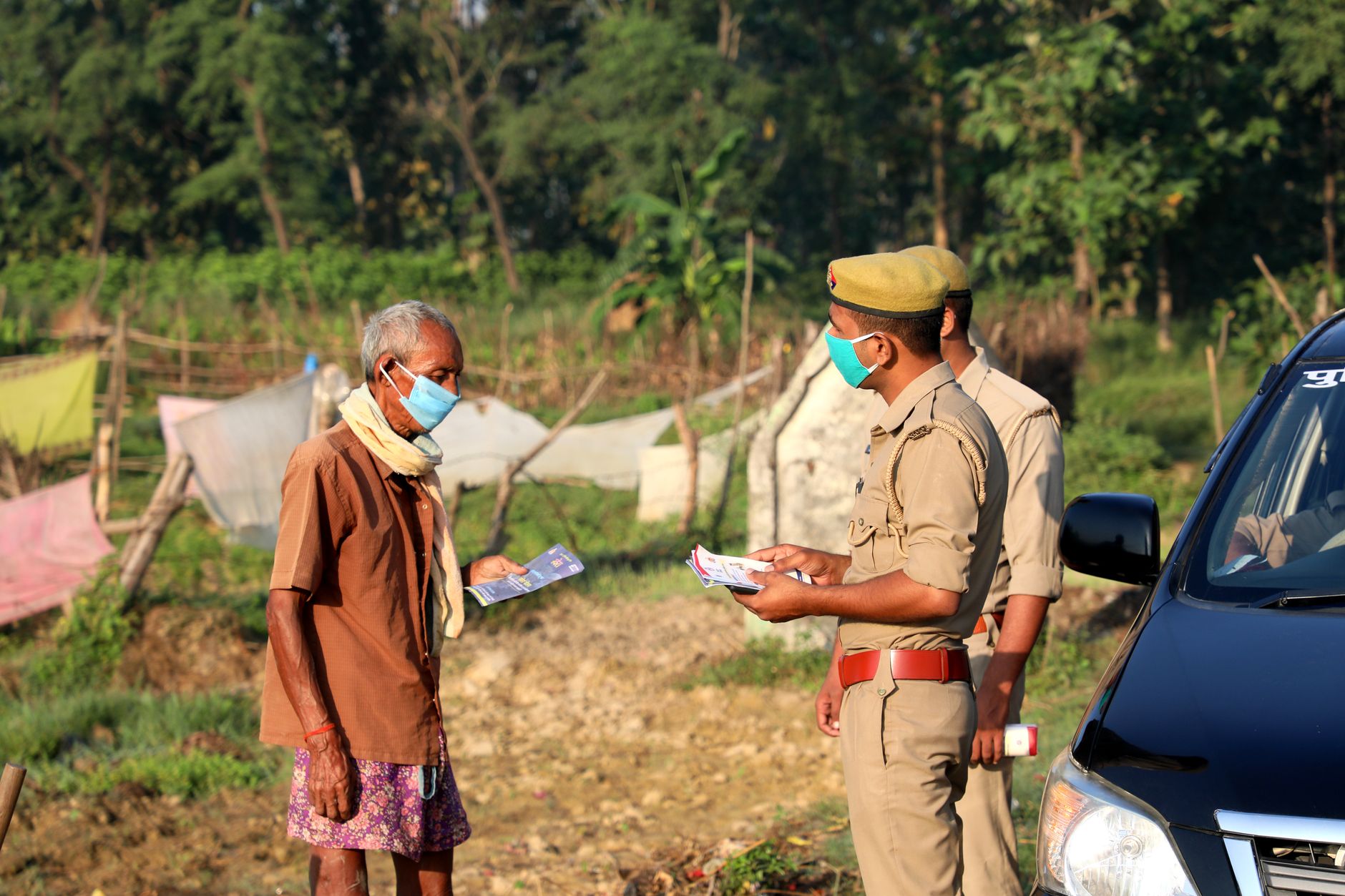
- Health education sessions on preventive care and hygiene
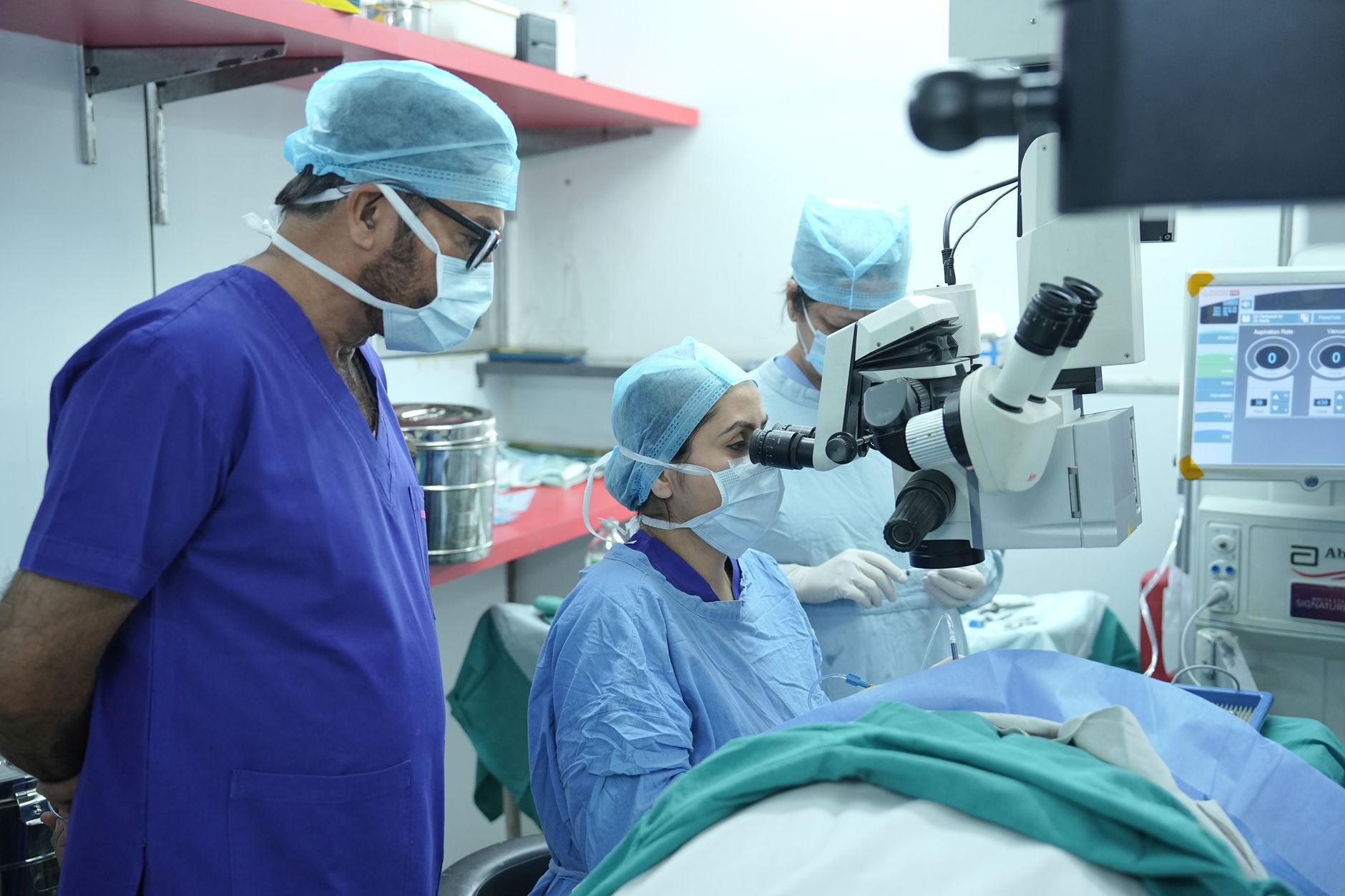
- Specialized camps for women's health, eye care, and dental services
- Referral services for cases requiring advanced medical intervention
Impact on Target Communities
Health camps organized under such programmes serve multiple purposes beyond immediate medical assistance. They create awareness about preventable diseases, promote early detection of health conditions, and encourage communities to prioritize health and wellness.
For many beneficiaries in remote locations, these camps represent their only interaction with qualified healthcare professionals throughout the year. Regular screenings can identify conditions like hypertension, diabetes, and anaemia in their early stages, preventing complications and reducing long-term healthcare costs for families.
The expansion across 27 districts suggests a strategic approach to geographic coverage, ensuring that multiple states and diverse populations benefit from the initiative. This wide distribution helps address regional health disparities and brings standardized healthcare access to varied demographic groups.
The Business Case for Healthcare CSR
Companies investing in health-focused CSR initiatives recognize both social responsibility and strategic advantages. Healthy communities contribute to productive workforces, stable markets, and enhanced brand reputation. For an automotive lubricant company like Motul India, engaging with communities across diverse geographies aligns with their market presence and stakeholder relationships.
Such initiatives also fulfill regulatory requirements under India's Companies Act, which mandates qualifying companies to spend a percentage of their profits on CSR activities, with healthcare being a recognized focus area.
Challenges and Sustainability Considerations
While the scaling of health camps represents positive progress, sustainability remains a critical consideration. Effective health interventions require:
- Continuous monitoring and follow-up care for identified patients
- Integration with government health systems for seamless referrals
- Trained staff and quality medical equipment at each camp
- Community engagement to ensure maximum participation
- Data collection to measure health outcomes and programme effectiveness
The success of such initiatives depends on moving beyond one-time interventions toward creating lasting health awareness and behavioral change within communities.
The Path Forward
As Motul India expands its health camp network, the model could inspire similar scaling by other corporations. Collaborative approaches involving multiple companies, government health departments, and NGOs could further amplify impact and resource efficiency.
The focus on reaching 108 camps across 27 districts demonstrates systematic planning and commitment to measurable goals. Documenting health outcomes, beneficiary testimonials, and partnership models will be crucial for encouraging wider adoption of such initiatives across India's corporate sector.
This article is intended for general informational purposes only. Readers should consult qualified healthcare professionals for specific medical advice, diagnosis, or treatment. Corporate CSR initiatives complement but do not replace the need for comprehensive public health infrastructure and universal healthcare systems.