The National Eligibility cum Entrance Test (NEET) has once again found itself at the center of a national controversy, with Education Minister Dharmendra Pradhan facing mounting pressure to resign over allegations of exam paper leaks. Amid this storm, the minister's decision to meet with NEET toppers has drawn both criticism and support from different quarters.
The NEET Leak Allegations
NEET serves as the gateway for millions of Indian students aspiring to pursue undergraduate medical and dental courses. The examination's integrity is paramount, as it determines the future of lakhs of students who invest years of preparation and significant financial resources into their medical education dreams.
Recent allegations suggest that question papers may have been compromised before the examination, potentially giving unfair advantages to certain candidates. Such claims, if proven true, would undermine the credibility of one of India's most competitive entrance examinations and affect the lives of countless deserving students.
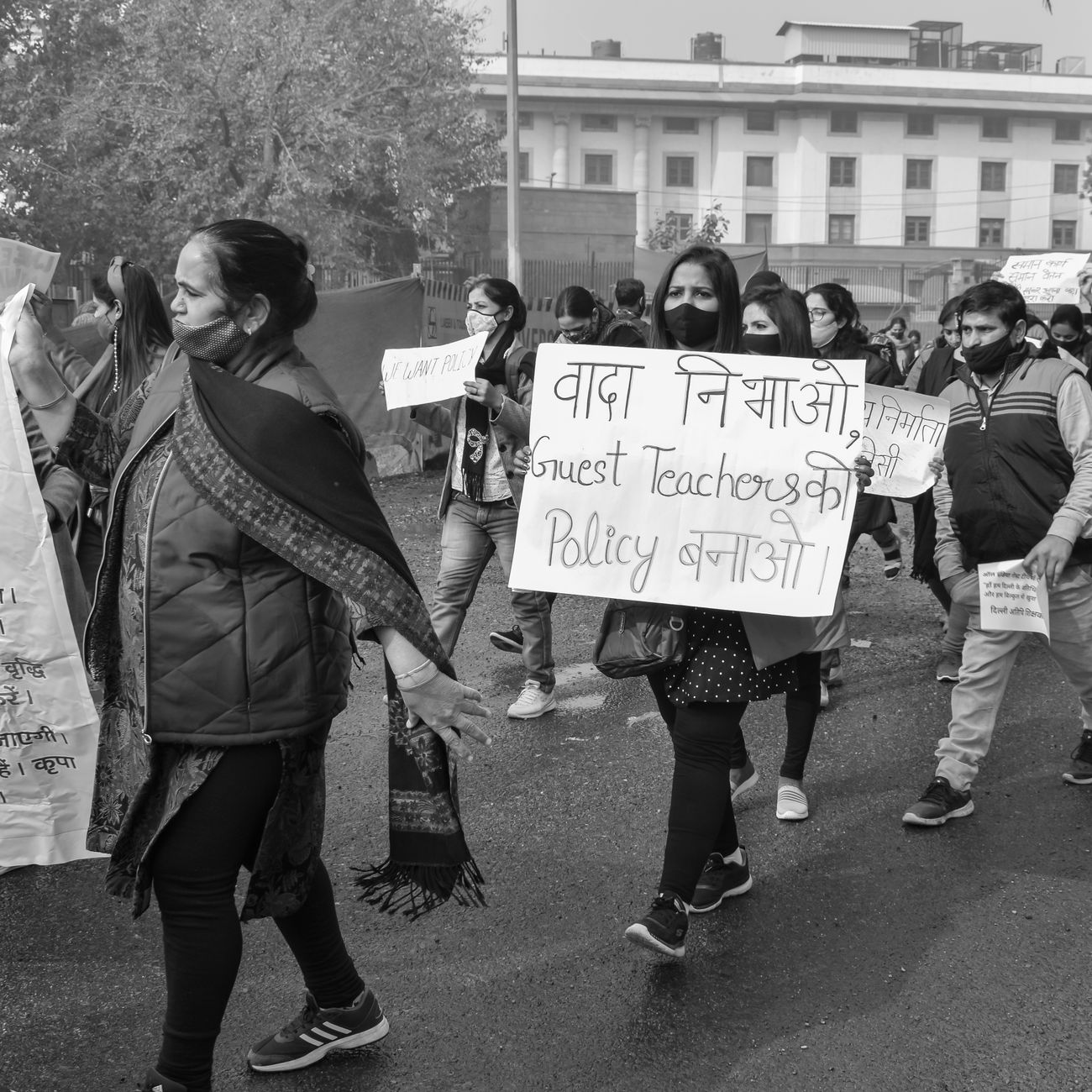
The controversy has sparked protests across multiple cities, with student organizations and opposition parties demanding immediate action and accountability from the Ministry of Education.
Understanding the Minister's Position
During his meeting with the NEET toppers, Minister Pradhan emphasized the government's commitment to maintaining the sanctity of competitive examinations. He reportedly highlighted the robust systems in place to prevent malpractice and assured students that any irregularities would be thoroughly investigated.
The minister's decision to proceed with congratulating high-performing students while facing resignation calls appears to be a deliberate signal that the government remains confident in the overall examination process. This approach, however, has been perceived differently by various stakeholders.
The Broader Implications
The NEET controversy raises several critical questions about India's examination system:
- The need for enhanced security protocols to prevent paper leaks and cheating
- The role of technology in both enabling and preventing examination malpractice
- The psychological impact on honest students who prepare diligently
- The erosion of public trust in national-level competitive examinations
Previous NEET Controversies
This is not the first time NEET has been embroiled in controversy. Over the years, the examination has faced various challenges:
- Allegations of question paper leaks in specific centers
- Debates over language preferences and regional disparities
- Questions about the single-exam system versus state-level tests
- Concerns about coaching culture and accessibility for rural students
Each controversy has prompted discussions about reforming the examination system, yet comprehensive changes have been slow to materialize.
The Political Dimension
Opposition parties have seized upon the NEET leak allegations to criticize the government's handling of educational matters. Calls for the education minister's resignation have become increasingly vocal, with some parties organizing protests and raising the issue in Parliament.
The political pressure adds another layer of complexity to an already sensitive situation, as the government must balance accountability with maintaining confidence in the examination system.
What Students and Parents Need to Know
For students who appeared in NEET and their families, this controversy creates additional anxiety during an already stressful period. Here's what stakeholders should understand:
- Results and admissions processes typically continue unless courts intervene
- Students should stay informed through official channels rather than unverified social media sources
- Documentation and hall tickets should be preserved as evidence of fair participation
- Legal remedies are available if examination integrity is compromised
The Path Forward
Restoring confidence in NEET requires immediate and transparent action. The National Testing Agency (NTA), which conducts NEET, must ensure thorough investigations into all allegations. If irregularities are found, strict action against those responsible is essential.
Longer-term reforms might include enhanced digital security measures, multiple-tier verification systems, and greater transparency in the examination process. Some education experts have also suggested exploring computer-based testing formats that could reduce the risk of paper leaks.
International Comparisons
Looking at how other countries manage high-stakes entrance examinations could provide valuable insights. Many nations have transitioned to computer-based adaptive testing, implemented stronger anti-cheating technologies, and created more robust legal frameworks to deal with examination malpractice.
The controversy surrounding NEET and the education minister's response will likely continue to evolve as investigations proceed. For now, millions of students await clarity on whether their hard work will be recognized fairly, while policymakers face tough questions about the systems meant to protect educational integrity.
This article is for general information purposes only and reflects the public nature of ongoing developments. Students and parents should refer to official notifications from the National Testing Agency and the Ministry of Education for authoritative updates on NEET-related matters.