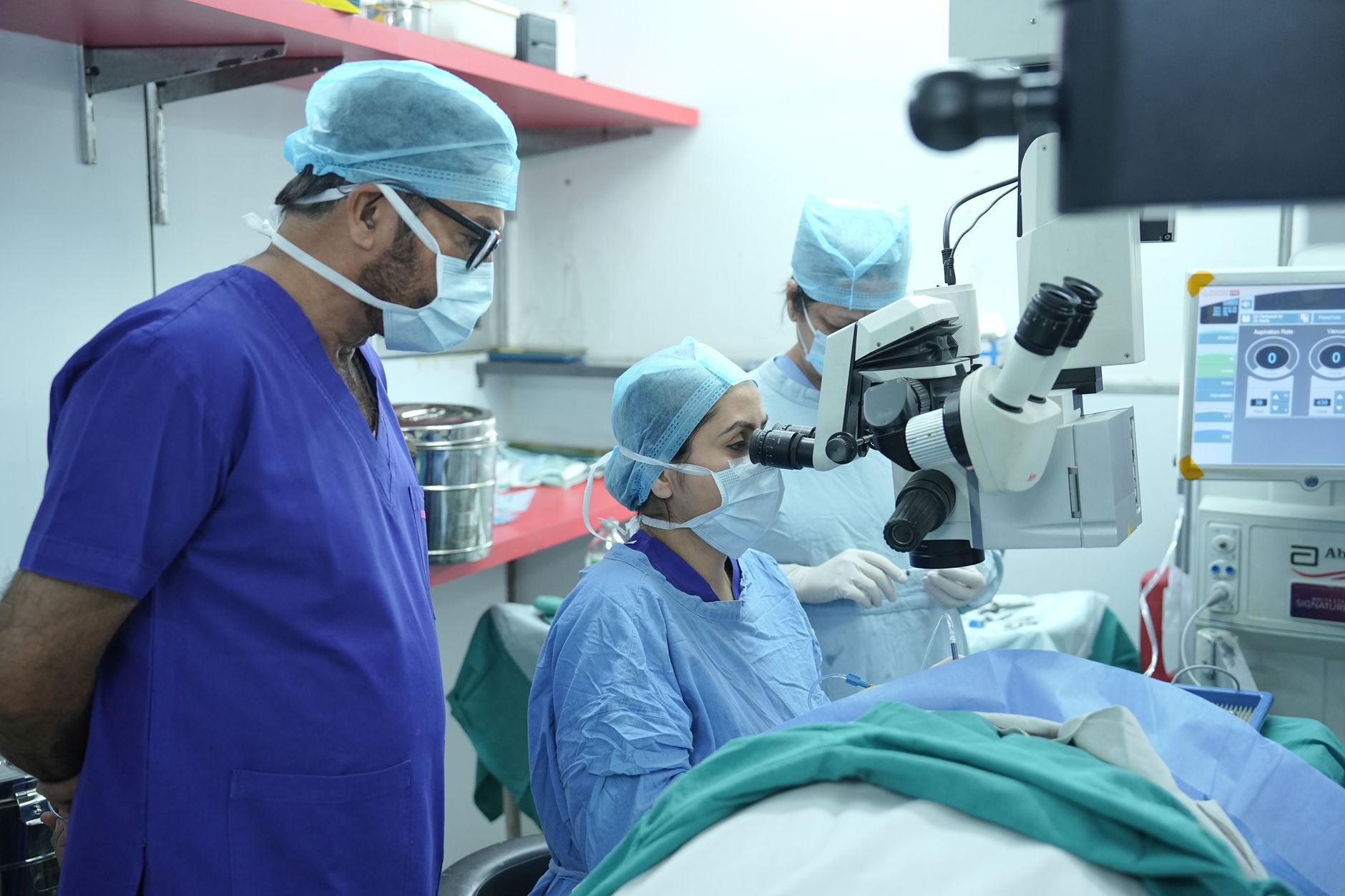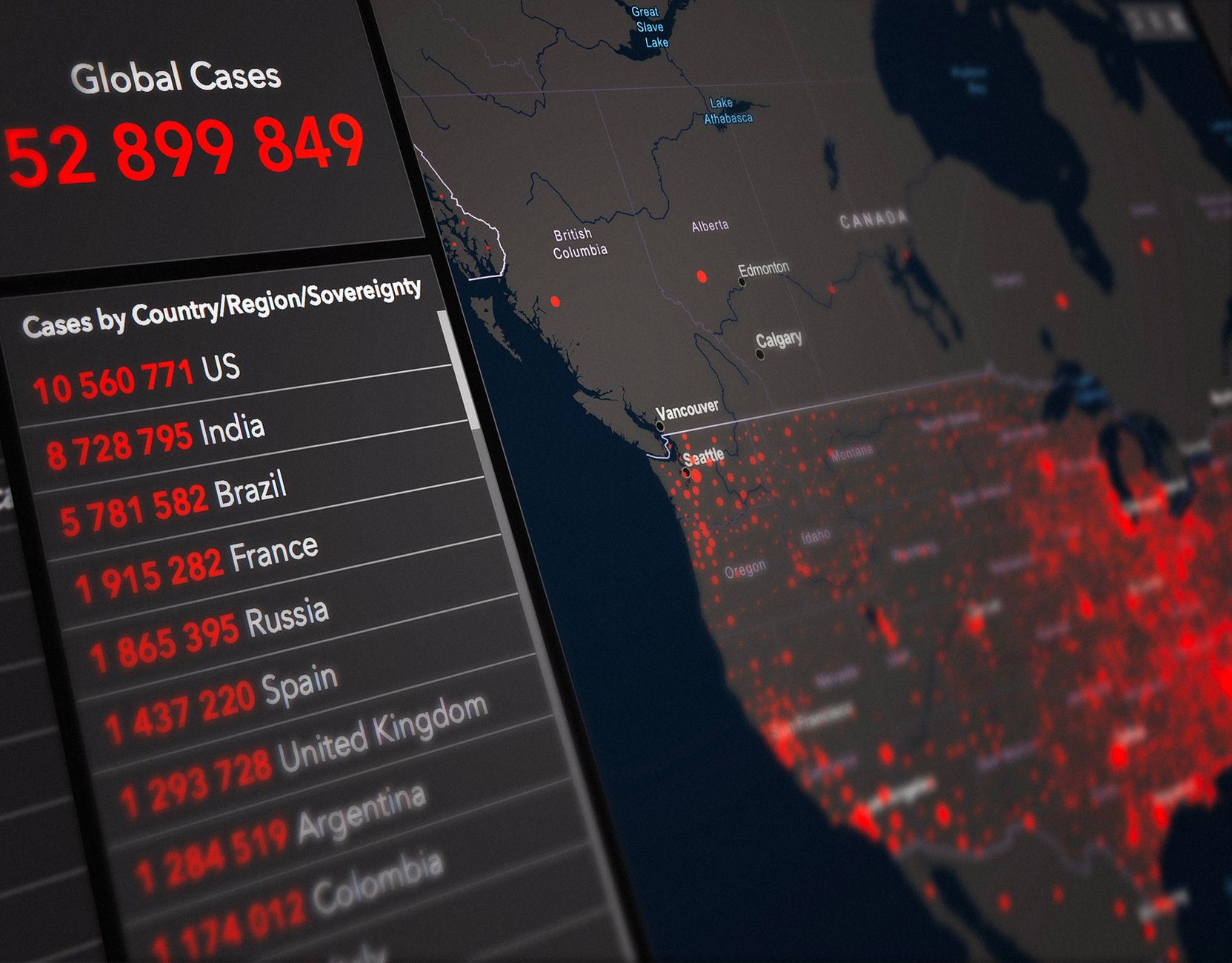
India's healthcare infrastructure continues to expand with new hospitals and medical facilities opening across the country, yet a critical gap in patient safety monitoring has come to light. The absence of a central database tracking hospital-acquired infections means the country lacks comprehensive data on one of the most significant risks facing hospitalized patients.
What Are Hospital-Acquired Infections
Hospital-acquired infections, also known as nosocomial infections or healthcare-associated infections, are infections that patients contract during their stay in a hospital or healthcare facility. These infections were not present or incubating at the time of admission and typically appear 48 hours or more after hospitalization.
Common types include surgical site infections, urinary tract infections from catheter use, bloodstream infections from intravenous lines, and pneumonia from ventilator support. These infections can range from mild to life-threatening and significantly impact patient recovery, hospital stay duration, and healthcare costs.
Why Central Tracking Matters
A centralized database for monitoring hospital-acquired infections serves multiple critical purposes in healthcare management. Such systems allow health authorities to identify patterns, track outbreaks, and implement timely interventions to protect patients.
Without comprehensive national data, it becomes difficult to assess the true scale of the problem, compare infection rates across facilities, or evaluate the effectiveness of infection control measures. This information gap affects policy planning and resource allocation for improving patient safety standards.
Countries with robust tracking systems can benchmark hospital performance, identify facilities needing additional support, and share best practices for infection prevention. The data helps healthcare administrators understand which procedures carry the highest risks and where to focus sterilization and hygiene improvements.
The Current Situation in India
While India may lack a unified national database, many private hospital chains and teaching hospitals maintain their own internal surveillance systems. Several states have initiated regional monitoring programs, and medical accreditation bodies require hospitals seeking certification to track and report infection rates.
The National Centre for Disease Control and various medical associations have published guidelines for infection control, but implementation and reporting remain voluntary in many settings. This decentralized approach creates data silos that prevent comprehensive national analysis.
Common Sources of Hospital Infections
Hospital-acquired infections typically stem from several sources that healthcare facilities must actively manage:
- Contaminated medical equipment or surgical instruments
- Invasive procedures like catheterization or surgery
- Antibiotic-resistant bacteria thriving in healthcare environments
- Inadequate hand hygiene among healthcare workers
- Contaminated hospital surfaces and patient care areas
- Overcrowding and inadequate isolation of infectious patients
- Prolonged hospital stays that increase exposure risk
Impact on Patients and Healthcare System
The consequences of hospital-acquired infections extend beyond individual patient health. These infections increase hospital stay duration by an average of several days, driving up healthcare costs for patients and insurers. They contribute to antibiotic resistance when treated with multiple courses of antibiotics.
For patients, hospital infections can delay recovery from their primary condition, require additional treatments, and in severe cases, lead to life-threatening complications. The elderly, immunocompromised individuals, and those undergoing major surgery face elevated risks.
Healthcare facilities bear reputational risks and potential legal liabilities when infection rates are high. Treatment costs for these infections represent a significant economic burden on the healthcare system that could be reduced through better prevention.
Global Standards and Best Practices
Many developed countries maintain mandatory reporting systems where hospitals must submit infection data to central authorities. These systems have demonstrated measurable reductions in infection rates through increased accountability and targeted interventions.
The World Health Organization has established guidelines for infection prevention and control that emphasize hand hygiene, environmental cleaning, antimicrobial stewardship, and surveillance systems. Regular audits and staff training programs form essential components of effective infection control.
Moving Forward
Establishing a central database would require coordination between central and state health authorities, standardized reporting protocols, and investment in digital health infrastructure. Privacy protections for patient data and clear reporting standards would need to be established.
Such a system could integrate with existing healthcare information platforms and leverage technology for real-time reporting and analysis. Starting with larger hospitals and gradually expanding coverage could make implementation more manageable.
The benefits of centralized tracking extend to improving overall healthcare quality, protecting patient safety, and enabling evidence-based policy decisions. As India continues developing its healthcare infrastructure, systematic infection surveillance represents an important step toward world-class patient safety standards.
This article is for general information purposes only and does not constitute medical advice. Patients should consult qualified healthcare professionals for specific medical concerns and follow their healthcare provider's infection prevention recommendations.