India has taken a major step forward in combating dengue fever with the approval of QDENGA, a vaccine that promises to offer broader protection against this mosquito-borne viral disease. As dengue cases continue to surge across the country, particularly during monsoon seasons, this new tool in the public health arsenal could prove transformative.
Understanding Dengue's Impact in India
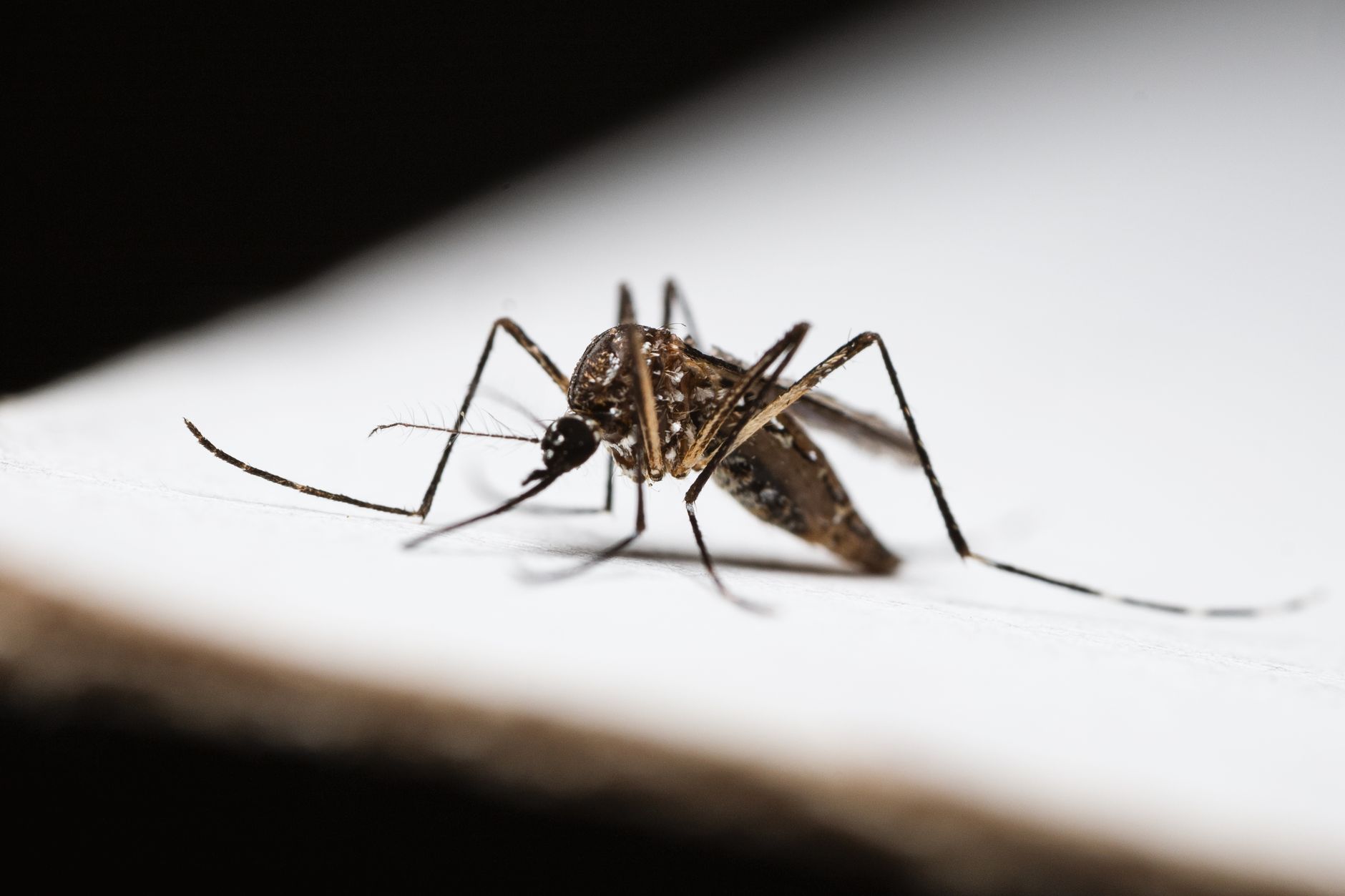
Dengue fever remains one of India's most pressing vector-borne disease challenges. The country reports hundreds of thousands of cases annually, with numbers often spiking during and after the monsoon season when mosquito breeding accelerates. The disease, transmitted primarily by the Aedes aegypti mosquito, causes symptoms ranging from high fever and severe headaches to joint pain and, in severe cases, life-threatening complications like dengue hemorrhagic fever.
Urban and semi-urban areas are particularly vulnerable due to water stagnation in densely populated regions, providing ideal breeding grounds for mosquitoes. Traditional control measures focusing on mosquito eradication and public awareness campaigns have had limited success in curbing the disease's spread.
What Makes QDENGA Different
QDENGA represents a significant advancement because it is designed to protect against all four dengue virus serotypes. This is crucial because dengue comes in four distinct viral strains, and infection with one does not provide immunity against the others. In fact, subsequent infections with different serotypes can sometimes lead to more severe disease.
The vaccine is a live-attenuated formulation, meaning it contains weakened forms of the virus that stimulate immune response without causing the disease itself. This technology allows the body to develop immunity in a manner similar to natural infection, but without the associated risks.
Unlike some earlier dengue vaccines that were recommended only for individuals with prior dengue infection, QDENGA has been developed for broader use, potentially making it accessible to larger population segments.
The Approval Process and Implications
The approval by India's drug regulatory authority follows extensive clinical trials and review processes. This decision aligns India with several other countries that have already authorized QDENGA for use, reflecting growing global confidence in this preventive measure.
For India specifically, this approval opens several possibilities:
- Enhanced protection for populations in high-risk areas where dengue is endemic
- Potential reduction in healthcare burden during peak dengue seasons
- A complement to existing vector control programs
- Long-term economic benefits through reduced disease-related productivity losses
Implementation Challenges Ahead
While the approval is encouraging, several practical considerations will determine QDENGA's real-world impact. The vaccine typically requires multiple doses administered over several months, which necessitates robust healthcare infrastructure and follow-up mechanisms.
Pricing and accessibility will be critical factors. For a vaccine to make a genuine public health difference in India, it must be affordable and available across diverse socioeconomic groups, not just in metropolitan areas.
Public awareness and acceptance also play vital roles. Healthcare authorities will need to educate communities about the vaccine's benefits, address any concerns, and build confidence in its safety and efficacy.
The Broader Context of Dengue Prevention
Vaccination represents just one pillar of comprehensive dengue control. It must work alongside continued efforts in mosquito control, improved sanitation, elimination of breeding sites, and early disease detection and treatment.
Climate change and urbanization continue to expand dengue's geographical range, making prevention even more urgent. Rising temperatures and changing rainfall patterns create new mosquito habitats, potentially exposing previously unaffected populations.
Looking Forward
The QDENGA approval signals a maturing approach to dengue prevention in India, moving beyond reactive measures toward proactive immunization strategies. As the vaccine becomes available, monitoring its effectiveness in real-world conditions will be essential.
Success will require coordination between pharmaceutical companies, government health programs, healthcare providers, and communities. Targeted vaccination campaigns in high-burden areas could serve as pilot programs, generating data to guide broader implementation.
This development also reinforces India's position in adopting innovative healthcare solutions for tropical diseases that disproportionately affect developing nations. The lessons learned from QDENGA's rollout could inform future approaches to other vector-borne diseases like chikungunya and Zika.
This article is for general informational purposes only and does not constitute medical advice. Individuals should consult qualified healthcare professionals for personalized guidance regarding dengue prevention and vaccination decisions.