In a remarkable display of student power and grassroots activism, sustained protests across India have led to the resignation of a prominent education minister, demonstrating how collective action can drive political accountability in the world's largest democracy. The movement, which gained widespread attention through its unique moniker and persistent demonstrations, represents a watershed moment for education reform advocacy in India.
The Origins of the 'Cockroach' Protests
The protests earned their distinctive name from students who adopted the cockroach as a symbol of resilience and persistence. Just as cockroaches are nearly impossible to eliminate and can survive in harsh conditions, the student activists vowed to remain relentless in their demands until meaningful change was achieved. This clever branding helped the movement gain traction on social media platforms and captured public imagination across the country.
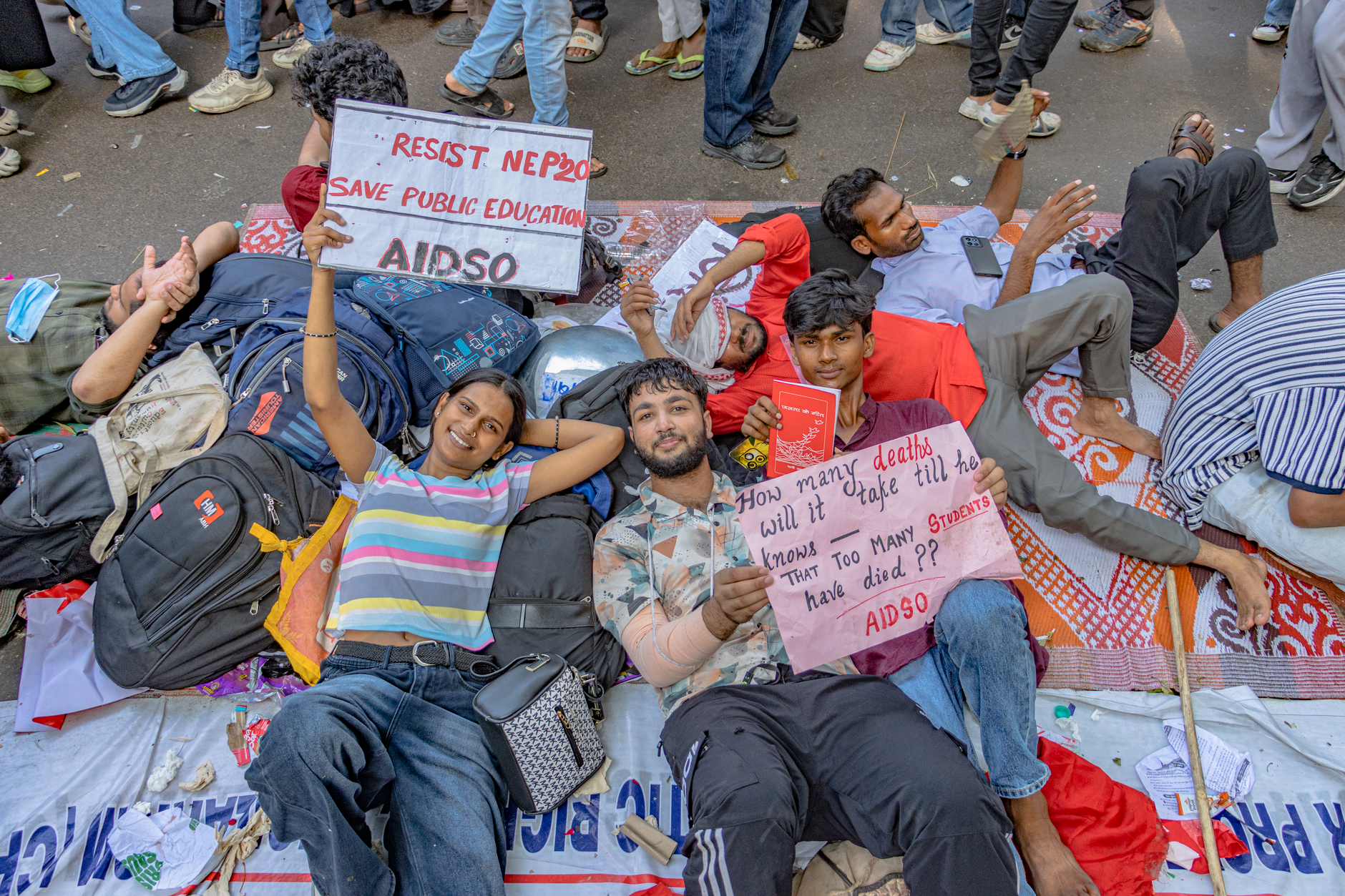
Students took to the streets in multiple cities, organizing sit-ins, marches, and digital campaigns that kept pressure on education authorities. The movement brought together students from various educational institutions, including schools, colleges, and universities, united by common grievances about the state of education administration.
Key Demands and Grievances
The protesters raised several critical concerns about education policy and administration:
- Alleged corruption in examination processes and administrative appointments
- Lack of transparency in education-related decision making
- Inadequate infrastructure and resources in educational institutions
- Concerns about curriculum reforms implemented without proper consultation
- Issues related to teacher recruitment and qualification standards
- Problems with examination scheduling and result declaration delays
These concerns resonated not only with students but also with parents, educators, and civil society organizations who had long voiced similar frustrations with the education system's functioning.
The Power of Youth Activism
The success of the Cockroach protests highlights the growing influence of youth activism in India's political landscape. Young people, armed with social media tools and increased political awareness, are no longer willing to accept administrative failures without demanding accountability. The movement demonstrated sophisticated organization, with student leaders coordinating protests across different regions while maintaining a peaceful and focused approach.
The protests also showcased the ability of Indian youth to sustain long-term campaigns despite potential academic and personal costs. Many participants faced the risk of missing classes, examinations, and other academic obligations, yet remained committed to their cause.
Broader Implications for Education Reform
This ministerial resignation sends a powerful message to education administrators across India that public accountability cannot be ignored. The success of the protests may inspire similar movements in other states where students and parents harbor grievances about education administration.
The incident also raises important questions about governance in India's education sector, which serves over 250 million students across various levels. Effective education administration requires not just policy expertise but also responsiveness to stakeholder concerns and transparent functioning.
The Road Ahead
While the minister's resignation represents a symbolic victory, the real challenge lies in ensuring substantive reforms that address the underlying issues raised by protesters. Student activists have emphasized that their movement will continue to monitor developments and hold new administrators accountable for implementing promised changes.
The protests have also sparked broader conversations about student rights, participatory governance in educational institutions, and the need for regular consultation with stakeholders in policy formulation. Educational experts suggest that this moment could catalyze a more inclusive approach to education administration if authorities learn the right lessons from these events.
A Defining Moment
The Cockroach protests represent more than just a successful campaign against one minister. They symbolize a generational shift in how young Indians engage with political and administrative systems. The movement has demonstrated that sustained, organized, and peaceful protests can achieve concrete results even against entrenched political interests.
As India continues to invest heavily in education infrastructure and reform, the voices amplified by this movement will likely play an increasingly important role in shaping policy discussions. The success of these protests may well be remembered as a turning point when student activism became an undeniable force in Indian education governance, proving that collective action rooted in legitimate grievances can indeed bring about meaningful change.