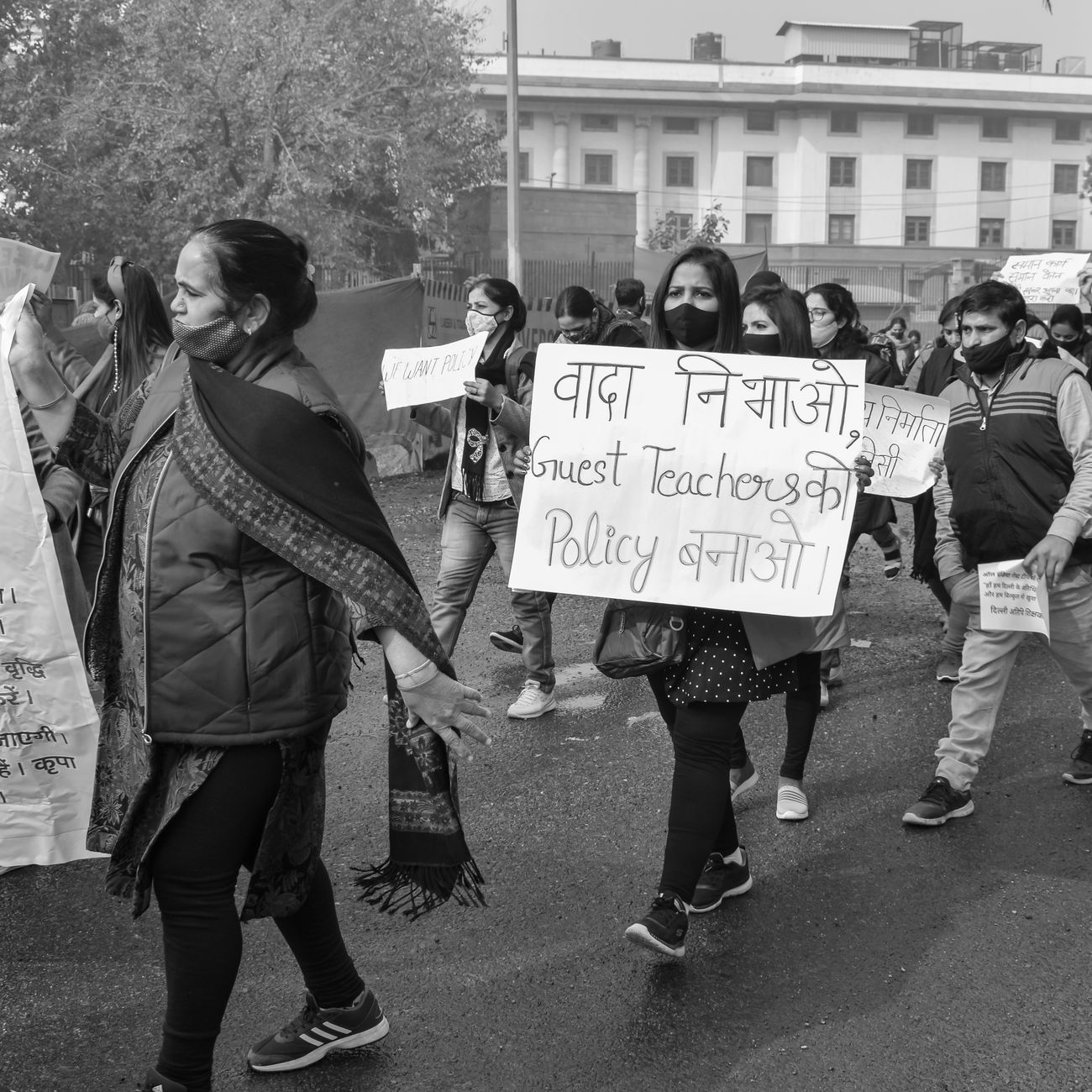
Student activism has long been a cornerstone of democratic movements in India, from the freedom struggle to contemporary social justice campaigns. Recent protests across university campuses have once again brought student voices to the forefront of national discourse, highlighting concerns about educational policy, institutional autonomy, and democratic freedoms within academic institutions.
The Historical Context of Student Movements in India
India has a rich tradition of student-led protests that have shaped the nation's political and social landscape. From the Quit India Movement of 1942, where students played a pivotal role, to the Emergency-era resistance in the 1970s, young people in educational institutions have consistently challenged authority when democratic principles seemed threatened.
Universities have traditionally served as incubators for political thought and civic engagement. Institutions like Jawaharlal Nehru University, Delhi University, and Jadavpur University have produced generations of activists, politicians, and thought leaders who cut their teeth on campus debates and demonstrations.
Contemporary Triggers for Campus Activism
Recent years have witnessed several flashpoints that have mobilized students across the country. Key concerns include:
- Fee hikes making education inaccessible to economically disadvantaged students
- Changes to admission policies and reservation systems
- Restrictions on campus activities and freedom of expression
- Concerns about ideological interference in curriculum design
- Questions about the appointment and removal of faculty members
- Debates over campus security and student safety
These issues have galvanized students from diverse backgrounds, creating broad coalitions that transcend traditional political affiliations.
The Role of Universities in Democratic Health
Educational institutions occupy a unique position in democratic societies. They serve not merely as places of learning but as spaces where critical thinking, debate, and dissent are cultivated. When universities function optimally, they produce informed citizens capable of questioning authority and participating meaningfully in civic life.
The metaphor of protests as a "revival" of democracy suggests that such demonstrations serve a corrective function. When institutional channels for grievance redressal fail or when students perceive their rights being curtailed, protests become a mechanism for accountability. They force administrators, policymakers, and the public to confront issues that might otherwise remain unaddressed.
Challenges Facing Student Protesters
Contemporary student activists face a significantly different landscape than their predecessors. The proliferation of social media has made organizing easier but has also exposed protesters to online harassment and surveillance. Students report concerns about being labeled or blacklisted, potentially affecting their career prospects.
Additionally, the polarized political climate means student protests are often interpreted through partisan lenses rather than being evaluated on their specific merits. What students frame as democratic rights may be characterized by others as disruptive or anti-national, creating a charged atmosphere around campus activism.
The Digital Dimension
Social media has transformed how student movements organize and communicate. Platforms allow for rapid mobilization, broader outreach, and documentation of events in real-time. However, they also present challenges, including the spread of misinformation, the difficulty of sustaining momentum beyond viral moments, and increased scrutiny from authorities.
The digital footprint of protests means that conversations extend far beyond campus boundaries, engaging alumni, civil society organizations, and international observers. This expanded audience can amplify student voices but also intensifies pressure on all parties involved.
Impact on Educational Policy
Student protests have historically influenced policy changes in Indian education. Successful movements have resulted in reversed fee hikes, reformed admission procedures, and greater student representation in decision-making bodies. The persistence of student activism suggests that it remains an effective tool for voicing concerns within the educational ecosystem.
However, the relationship between protests and policy change is complex. Not all demonstrations achieve their immediate objectives, and the path from street activism to institutional reform often involves negotiations, compromises, and sustained engagement beyond the initial protest phase.
Looking Forward
The vitality of student movements reflects broader questions about democratic participation in India. As the country navigates economic transformation, technological change, and evolving social dynamics, universities will continue to serve as testing grounds for democratic values.
Whether current protests represent a genuine democratic revival depends on multiple factors: the responsiveness of institutions to legitimate grievances, the ability of students to organize sustainably, and society's willingness to protect spaces for dissent and debate. What remains clear is that student voices, with their idealism and energy, will continue to challenge complacency and demand accountability from those in power.
The health of Indian democracy may well be reflected in how it treats its youngest stakeholders—those still in the formative stages of their civic lives, learning to exercise their rights as citizens.