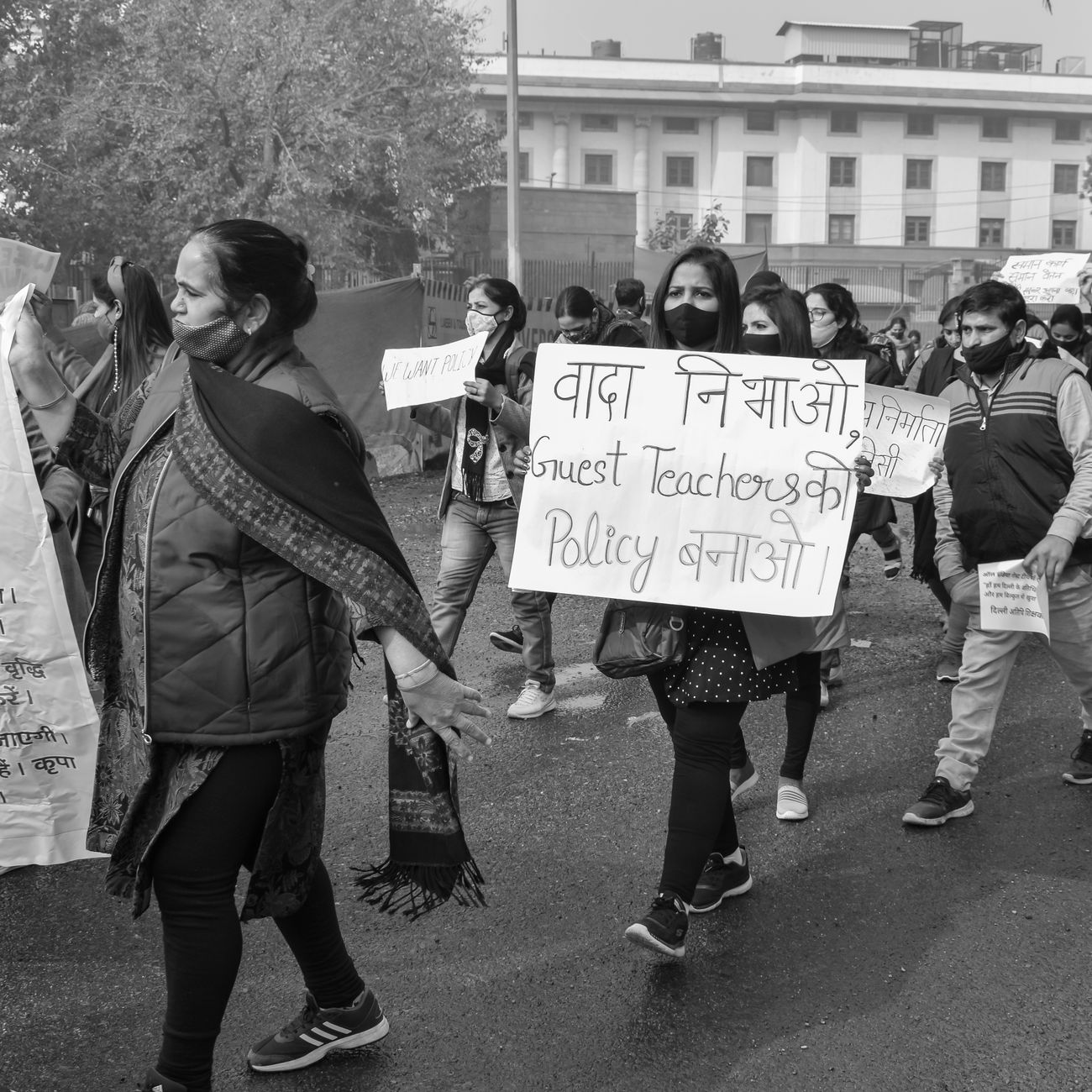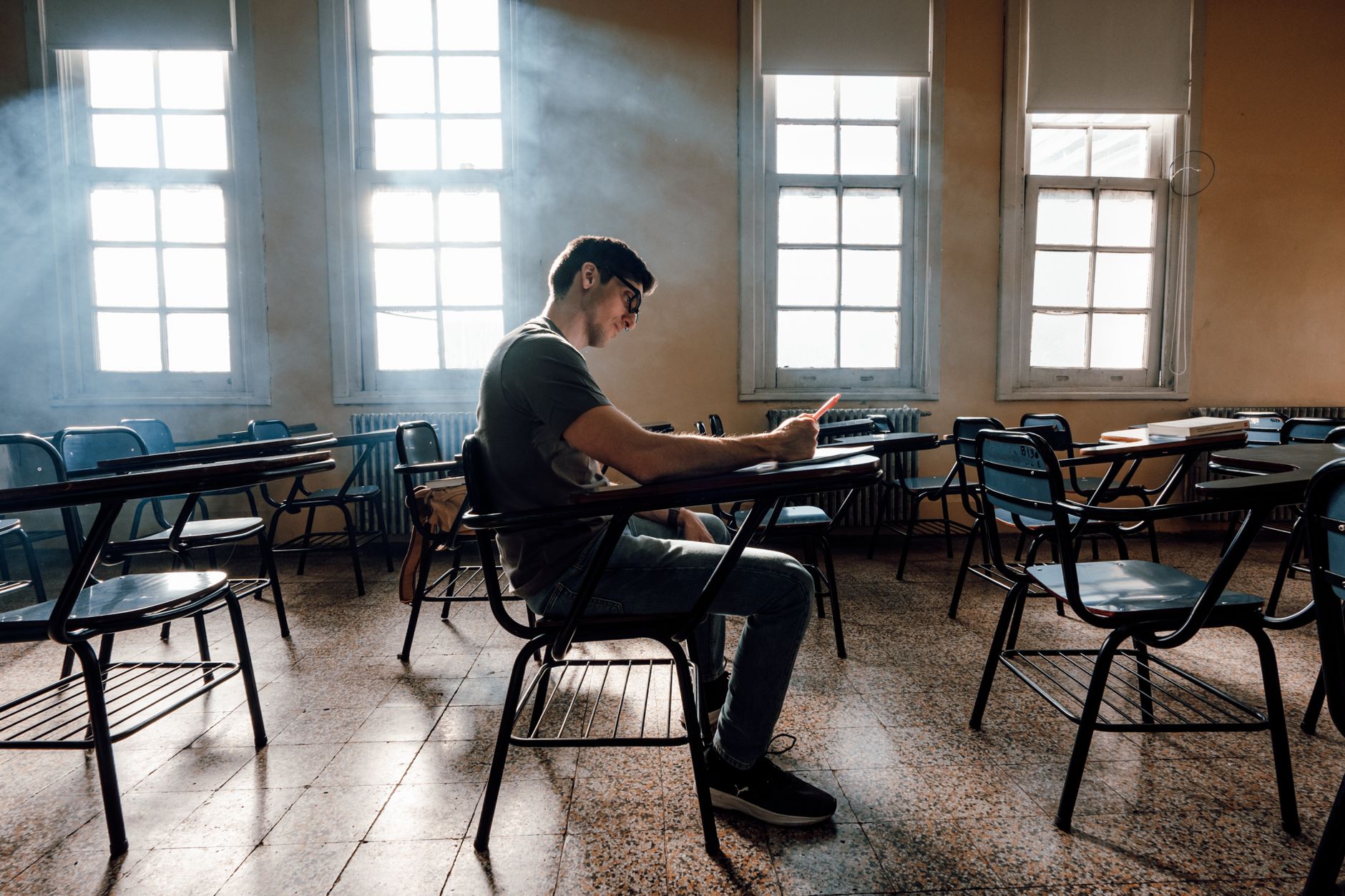
A dramatic two-week hunger strike by students protesting India's examination system has thrust the nation's education challenges into the spotlight, revealing deep frustrations with a structure that millions of young Indians navigate each year. The protest underscores broader questions about fairness, mental health, and whether the current system truly serves students' best interests.
The Weight of Competitive Exams
India's education system relies heavily on standardized examinations that determine students' academic and professional futures. From board exams in secondary school to competitive entrance tests for engineering, medical, and civil service positions, these assessments create intense pressure on students and families alike.
The most prominent among these are exams like the Joint Entrance Examination (JEE) for engineering colleges, the National Eligibility cum Entrance Test (NEET) for medical schools, and the Union Public Service Commission (UPSC) examinations for civil service roles. Success in these exams can transform lives, opening doors to prestigious institutions and career opportunities. Failure, conversely, can feel devastating in a society where academic achievement carries enormous social weight.
Why Students Are Protesting
Student protests against the examination system typically center on several recurring grievances. Irregularities in exam administration, including paper leaks, technical glitches during online tests, and allegations of unfair evaluation, frequently trigger demonstrations. When students invest years preparing for a single exam, any perceived injustice in its conduct can spark outrage.
The frequency and difficulty of competitive exams also draw criticism. Many students argue that the current system promotes rote memorization over genuine learning and critical thinking. The syllabus-heavy approach leaves little room for creative exploration or skill development beyond test-taking abilities.
Additionally, concerns about equity persist. Students from rural areas and economically disadvantaged backgrounds often lack access to quality coaching institutes, study materials, and reliable internet connectivity—resources that urban, affluent students take for granted. This disparity creates an uneven playing field despite the exams' stated goal of merit-based selection.
The Mental Health Crisis
The psychological toll of India's examination culture cannot be overstated. Student suicides related to exam stress remain tragically common, with data showing spikes around result declaration periods. The National Crime Records Bureau has documented thousands of student suicides annually, with academic pressure cited as a significant contributing factor.
Coaching centers in exam-hub cities like Kota, Rajasthan, have become symbols of both aspiration and anxiety. Students as young as 15 migrate to these cities, living away from families while preparing intensively for entrance exams. The isolation, pressure, and fear of disappointing parents create a mental health crisis that experts and activists have long flagged.
Calls for Reform
Education reformers advocate for multiple pathways to success rather than single high-stakes exams. Some proposals include:
- Implementing continuous assessment models that evaluate students throughout their academic journey
- Creating multiple exam windows annually to reduce pressure on single test dates
- Developing aptitude-based assessments that measure diverse skills and talents
- Expanding vocational education options as viable alternatives to traditional academic paths
- Improving exam security and transparency to reduce irregularities and restore student confidence
The National Education Policy 2020 acknowledges many of these concerns, proposing a shift toward holistic education and reduced exam pressure. However, implementation remains slow and uneven across states.
Balancing Meritocracy and Wellbeing
Defenders of the current system argue that competitive exams provide an objective, merit-based pathway to opportunity in a large, diverse nation. Without standardized testing, they contend, admissions might become more susceptible to corruption, favoritism, or regional biases.
The challenge lies in preserving the meritocratic ideals while addressing legitimate grievances about mental health, equity, and exam integrity. Countries like Finland and Singapore have demonstrated that rigorous academic standards can coexist with student wellbeing, though their smaller populations and different cultural contexts make direct comparisons difficult.
The Way Forward
Student protests, including extreme measures like hunger strikes, signal that the current system's sustainability is in question. As India's youth population continues demanding change, policymakers face pressure to reimagine an examination structure that serves education's true purpose—developing capable, well-rounded individuals rather than merely sorting students into categories.
The conversation extends beyond exams themselves to broader questions about what India values in education and how society defines success. Until these fundamental questions receive thoughtful answers, student frustration with the examination system will likely persist, manifesting in protests that demand the nation's attention.