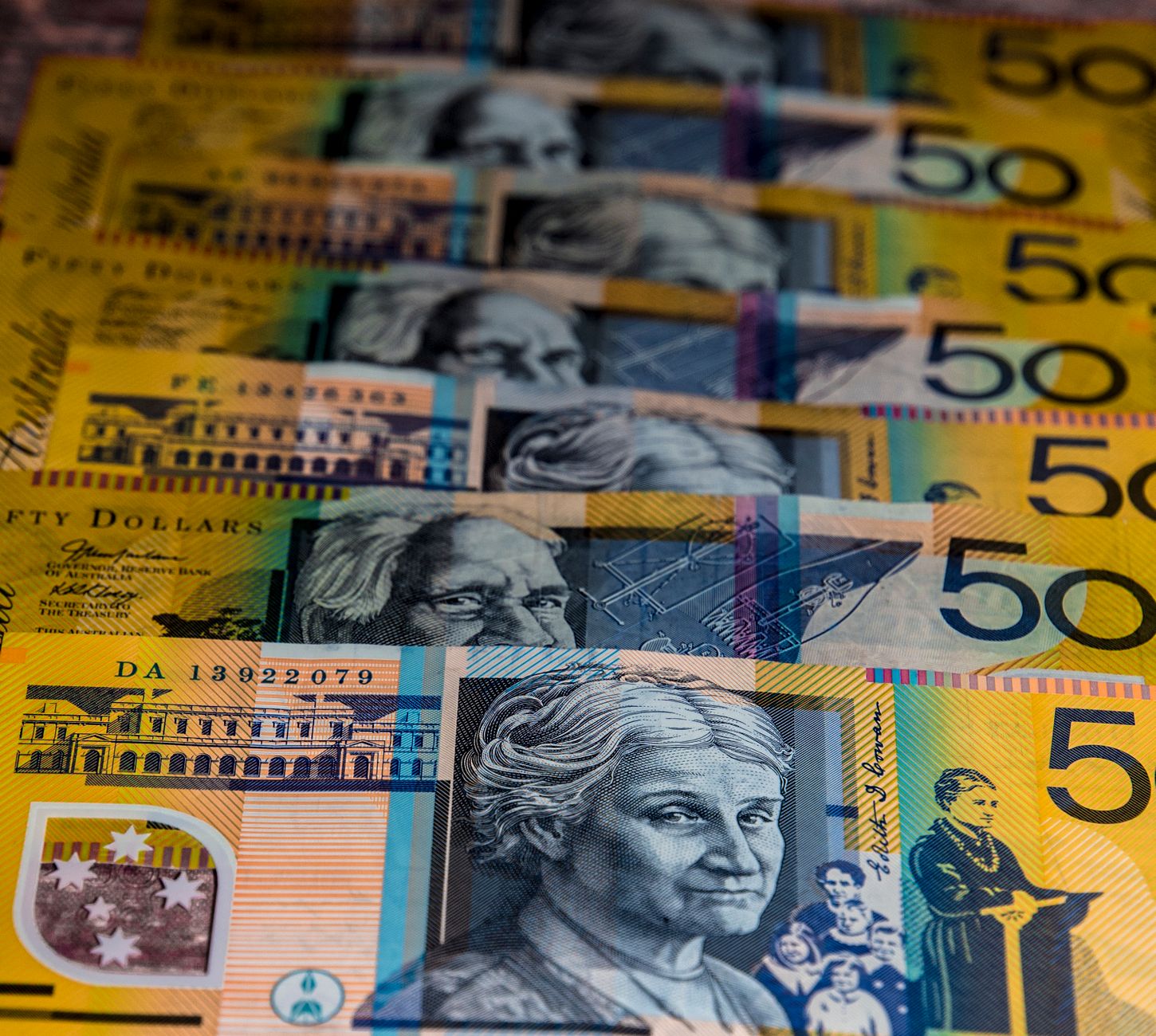
The global shift from traditional paper currency to polymer plastic banknotes has been gaining momentum over the past two decades, with countries from Australia to Canada embracing the technology. However, the transition presents a surprisingly nuanced picture for investors, governments, and financial institutions navigating the economics of modern currency.
The Business Case Behind Polymer Notes
Polymer banknotes, first introduced by Australia in 1988, are made from a thin, flexible plastic film rather than cotton-fiber paper. From a pure cost perspective, these notes last significantly longer than their paper counterparts. While a paper note might survive 12-18 months in circulation, a polymer note can remain usable for 2.5 to 4 years, depending on the denomination and usage patterns.
This extended lifespan translates into substantial savings for central banks and governments. Fewer replacement notes mean reduced printing costs, lower transportation expenses, and decreased security distribution requirements. For nations with large populations or extensive geographical areas, these savings can amount to millions of dollars annually.
The Investment Angle
The polymer banknote industry represents a specialized but significant investment opportunity. A handful of companies dominate the global market for substrate materials and security features. These firms supply the base polymer and the sophisticated anti-counterfeiting technologies embedded within the notes, including transparent windows, holographic images, and color-shifting inks.
For investors, companies involved in currency substrate production, security printing, and authentication technology represent potential plays in this sector. The ongoing global transition means a steady pipeline of government contracts, though the market remains relatively concentrated and barriers to entry are exceptionally high due to security requirements.
Environmental Considerations and Hidden Costs
The environmental narrative around polymer notes proves more complicated than initial marketing suggested. Proponents argue that longer-lasting notes reduce resource consumption and the carbon footprint associated with frequent replacement. However, critics point to several concerns that affect the overall value proposition.
Polymer notes are petroleum-based products, linking them to fossil fuel extraction. While they are technically recyclable, the specialized nature of the material means recycling infrastructure is limited. Many polymer notes ultimately end up in landfills where they take considerably longer to decompose than paper alternatives. Paper notes, made from cotton, are biodegradable and can be composted at end-of-life.
Market Performance and Adoption Challenges
The transition to polymer notes has been uneven across global markets. While over 50 countries have adopted polymer notes for at least some denominations, several major economies remain committed to paper currency. The United States, for instance, continues to use cotton-fiber notes despite periodic feasibility studies.
Implementation costs represent a significant hurdle. Beyond the printing expenses, central banks must consider vending machine modifications, ATM upgrades, and public education campaigns. Small businesses and informal sectors may face adjustment periods, particularly in developing economies where cash transactions remain predominant.
Currency Durability and Economic Implications
The durability advantage of polymer notes carries interesting economic implications. In regions with hot, humid climates, paper notes deteriorate rapidly, making polymer alternatives particularly attractive. Countries like Vietnam, Malaysia, and several African nations have adopted polymer specifically to address climate-related currency degradation.
However, this same durability creates challenges for monetary policy implementation in unique scenarios. During periods requiring rapid currency replacement due to redesigns or denomination changes, the presence of long-lasting polymer notes in circulation can slow the transition process.
The Future Outlook
The polymer banknote market shows signs of continued growth, though perhaps not at the explosive rates some industry analysts predicted a decade ago. Digital payment adoption in many developed economies has reduced overall cash usage, potentially limiting the total addressable market for physical currency of any type.
Nevertheless, cash remains dominant in large portions of the global economy, ensuring ongoing demand for both paper and polymer alternatives. The investment case for polymer banknote technology suppliers remains tied to government adoption rates, replacement cycles, and the complex balance between cost savings and environmental considerations.
For financial market observers, the banknote industry serves as a fascinating intersection of traditional currency systems and modern materials science, where economic, environmental, and security considerations create a genuinely tricky case for straightforward analysis.
This article is for general informational purposes only and does not constitute investment advice. Readers should conduct their own research and consult with qualified financial advisors before making investment decisions.