Hunger strikes have long been employed as a powerful form of non-violent protest across India and globally. When individuals voluntarily refuse food to draw attention to social causes, their bodies undergo dramatic physiological changes that can become life-threatening within days or weeks.
What Happens During a Hunger Strike
The human body is remarkably resilient, but it requires regular nutrition to function properly. When food intake stops completely, the body enters a state of starvation and begins a series of adaptive responses.
During the first 24-72 hours, the body depletes its glucose reserves stored in the liver as glycogen. Once these stores are exhausted, the body shifts to breaking down fat reserves for energy through a process called ketosis. This metabolic shift can cause weakness, dizziness, and difficulty concentrating.
Progressive Health Deterioration
After approximately one week without food, more serious complications emerge:
- Severe muscle weakness and fatigue as the body begins breaking down muscle tissue for protein
- Electrolyte imbalances affecting heart rhythm and kidney function
- Immune system suppression making the person vulnerable to infections
- Vitamin and mineral deficiencies causing various complications
- Cognitive impairment including confusion and difficulty making decisions
- Gastrointestinal problems when food is eventually reintroduced
Critical Danger Zone
Beyond two weeks, the risks become exponentially more severe. The body's organs begin to fail as they lack the energy and nutrients needed to maintain basic functions. The heart muscle weakens, kidney function deteriorates, and the risk of sudden cardiac arrest increases dramatically.
Medical experts note that individuals can typically survive 30-70 days without food, depending on their initial health status, body composition, and whether they consume water. However, permanent organ damage can occur much earlier, even if the person ultimately survives.
Special Vulnerabilities
Certain factors make hunger strikes even more dangerous for some individuals:
- Pre-existing medical conditions such as diabetes, heart disease, or kidney problems
- Advanced age or youth, as both elderly and young people have less physiological reserve
- Low body weight or poor nutritional status before beginning the strike
- Hot climates or physical exertion during the strike
- Complete fasting versus partial caloric intake
Medical Monitoring Challenges
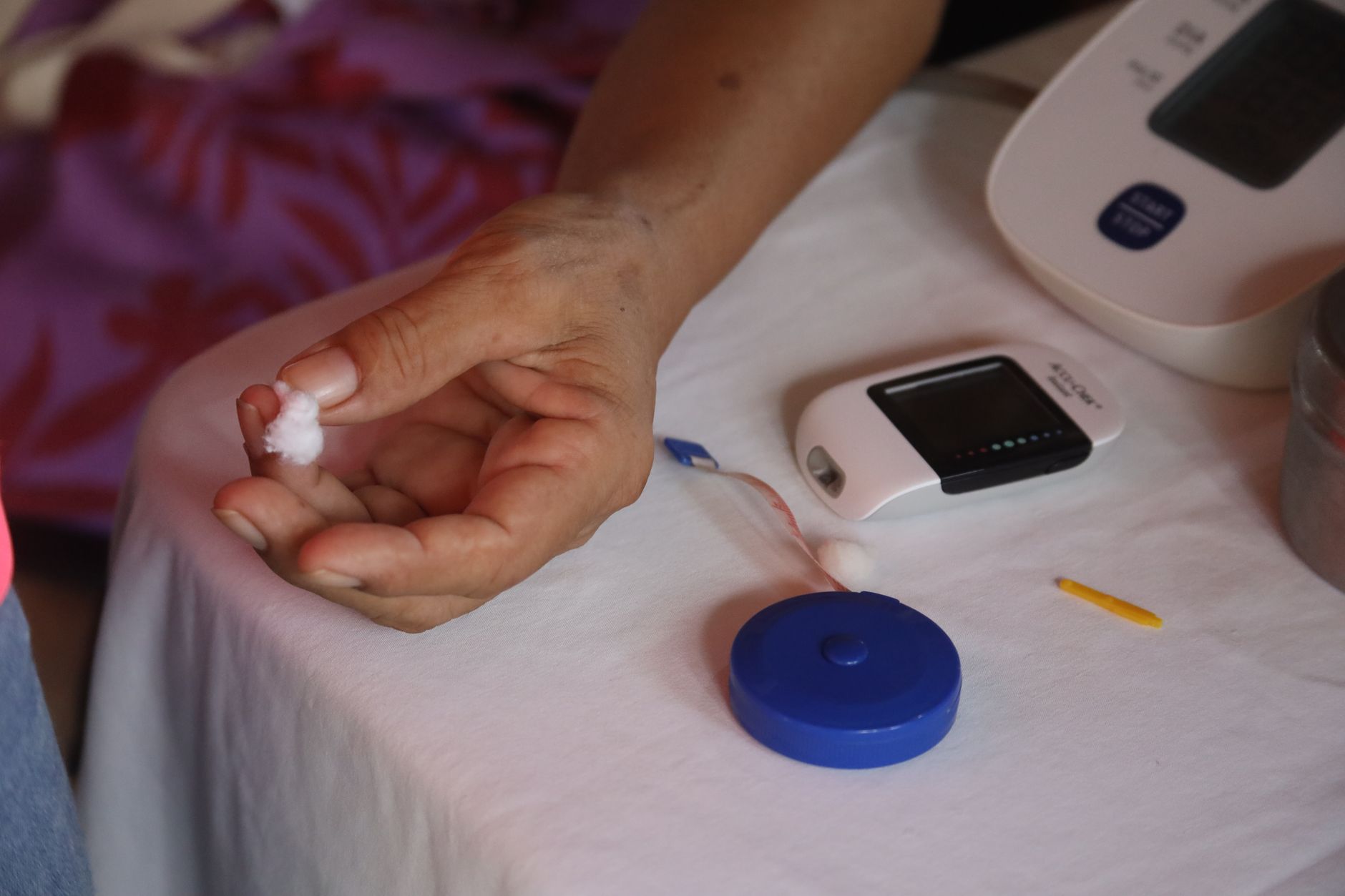
Healthcare providers face ethical dilemmas when treating hunger strikers. Many strikers refuse medical intervention as part of their protest, creating tension between respecting autonomy and preventing death. Medical teams may monitor vital signs, electrolyte levels, and organ function, but their ability to intervene depends on the striker's consent and legal frameworks.
The Refeeding Syndrome Risk
Perhaps counterintuitively, resuming eating after a prolonged hunger strike carries its own dangers. Refeeding syndrome occurs when nutrition is reintroduced too quickly after starvation, causing dangerous shifts in electrolytes and fluids. This can lead to heart failure, respiratory failure, and death even as the person appears to be recovering.
Medical supervision during refeeding is crucial, with careful monitoring of phosphate, potassium, and magnesium levels, along with gradual introduction of calories over several days or weeks.
Historical Context in India
India has a long tradition of hunger strikes as political protest, dating back to Mahatma Gandhi's fasts for independence and social justice. This method of protest remains relevant today, used by activists advocating for various causes including education rights, agricultural reforms, and anti-corruption measures.
The effectiveness of hunger strikes often depends on public attention and pressure they generate rather than their duration. However, the serious health consequences mean that such protests always carry significant personal risk for participants.
Conclusion
While hunger strikes represent a form of peaceful protest protected under principles of free expression, they pose severe and potentially irreversible health risks. Understanding these dangers helps contextualize both the dedication of those who undertake such actions and the medical urgency when interventions become necessary.
This article is for general informational purposes only and does not constitute medical advice. Anyone concerned about the health of a person on hunger strike should seek immediate professional medical assistance. The information provided here should not be used as a substitute for professional medical care or consultation.