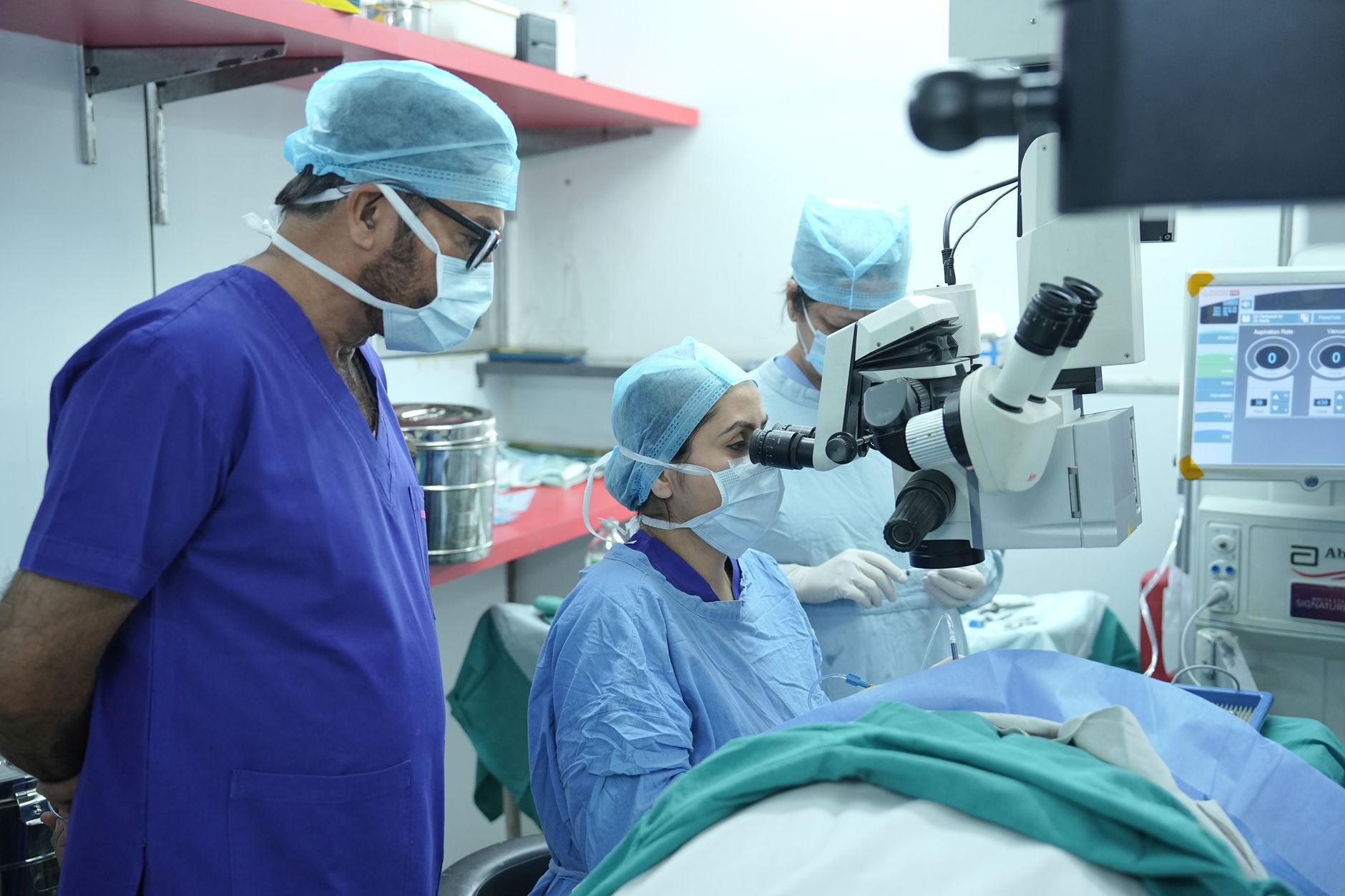
The Union Health Minister J. P. Nadda is scheduled to address the India Medical Device 2026 conference, a significant event that underscores the government's commitment to transforming India into a global hub for medical device manufacturing. This announcement comes at a crucial time when the nation is pushing for self-reliance in healthcare technology and equipment.
The Medical Device Sector in India
India's medical device market is one of the fastest-growing sectors globally, currently valued at approximately $11 billion and expected to reach $50 billion by 2030. However, the country still imports nearly 70-80% of its medical devices, including critical equipment such as CT scanners, MRI machines, and various implants. This heavy reliance on imports creates vulnerabilities in healthcare delivery and represents a significant drain on foreign exchange reserves.
The sector encompasses a wide range of products including diagnostic imaging equipment, surgical instruments, implants, dental products, syringes, needles, patient monitoring devices, and disposables. The COVID-19 pandemic exposed critical gaps in domestic manufacturing capacity, particularly for ventilators, testing kits, and personal protective equipment, making self-sufficiency a national priority.
Government Initiatives to Boost Domestic Manufacturing
The Indian government has launched several initiatives to promote indigenous medical device manufacturing. The Production Linked Incentive (PLI) scheme for medical devices, with an outlay of Rs 3,420 crore, aims to encourage domestic production and attract global investment. This scheme provides financial incentives to manufacturers who achieve predetermined production targets over a specified period.
The government has also established medical device parks in various states to create dedicated infrastructure and facilitate clustering of manufacturers. These parks offer ready-to-use facilities, reducing setup time and costs for companies entering the sector. States like Andhra Pradesh, Tamil Nadu, Madhya Pradesh, and Himachal Pradesh have already announced such parks.
Regulatory Framework and Quality Standards
India has strengthened its regulatory framework for medical devices by bringing them under the purview of the Drugs and Cosmetics Act. The Central Drugs Standard Control Organisation (CDSCO) now regulates medical devices with a risk-based classification system, ensuring that products meet international quality and safety standards.
The Bureau of Indian Standards (BIS) has also developed numerous standards for medical devices, aligning with international benchmarks. This regulatory clarity has boosted investor confidence and helped Indian manufacturers compete globally.
Innovation and Research Ecosystem
The conference is expected to highlight India's growing innovation capabilities in medical technology. Several Indian startups and research institutions are developing cutting-edge solutions, from affordable diagnostic devices to advanced implants. The government's Atal Innovation Mission and various incubation centers are supporting medical device innovation through funding and mentorship.
Indian manufacturers are increasingly focusing on frugal innovation – creating cost-effective medical solutions that maintain quality while being accessible to the masses. This approach not only serves the domestic market but also positions India as a supplier to other developing nations.
Opportunities and Challenges Ahead
India possesses several advantages that position it well for medical device manufacturing growth. These include a large pool of skilled engineers and healthcare professionals, competitive manufacturing costs, strong IT and software capabilities, and a vast domestic market. The government's emphasis on digital health and telemedicine further creates opportunities for integrated medical device solutions.
However, challenges remain, including the need for increased investment in research and development, technology transfer agreements with global leaders, skill development in specialized areas, and creating awareness among healthcare providers about indigenous alternatives to imported devices.
Global Competitiveness
The India Medical Device 2026 conference serves as a platform for showcasing domestic capabilities to global partners and exploring export opportunities. India aims to become a preferred destination for medical device outsourcing and original equipment manufacturing, similar to its success in the pharmaceutical sector.
With Minister Nadda's address expected to outline policy roadmaps and future directions, stakeholders across the medical device ecosystem – from manufacturers and innovators to healthcare providers and policymakers – will be keenly watching for announcements that could shape the sector's trajectory toward 2026 and beyond.
The focus on medical device manufacturing aligns with the broader Make in India initiative and represents a strategic move toward healthcare self-reliance, ensuring that quality medical care remains accessible and affordable for all Indians while building a globally competitive industry.