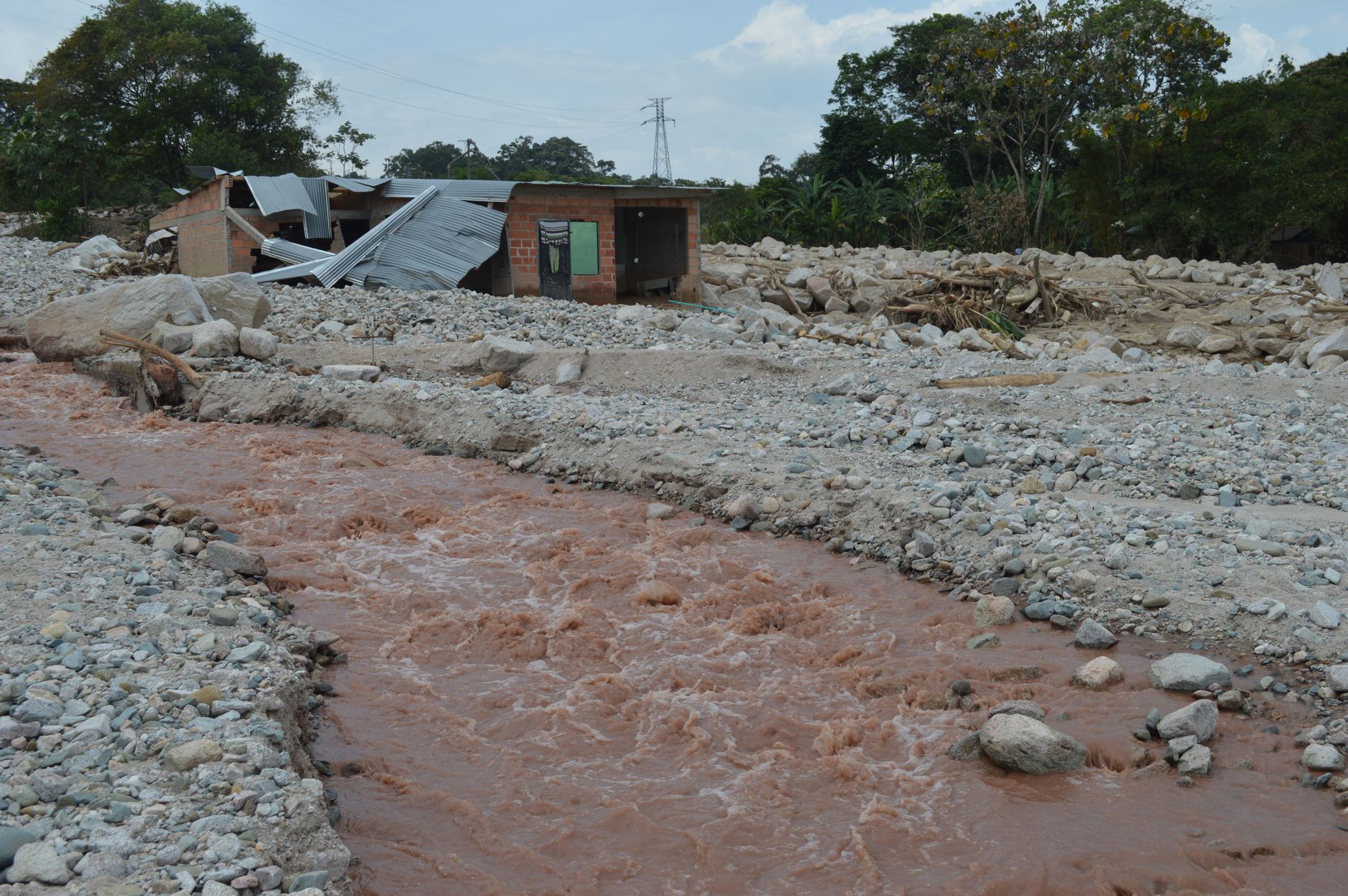
The aftermath of a significant earthquake in Venezuela has evolved beyond immediate rescue operations into a complex health emergency, with officials and aid workers racing to address multiple environmental health threats facing displaced populations and recovery teams.
Understanding Post-Earthquake Health Risks
Natural disasters like earthquakes create cascading health challenges that extend far beyond initial injuries. When buildings collapse and infrastructure fails, communities face exposure to hazardous materials, disrupted sanitation systems, and environmental contamination that can persist for weeks or months during recovery efforts.
The primary health concerns in earthquake-affected areas typically include respiratory problems from dust inhalation, waterborne diseases from compromised water supplies, and infections from wounds sustained during the disaster or cleanup operations.
The Dust Hazard in Collapsed Structures
One of the most immediate yet often overlooked dangers comes from the fine particulate matter released when buildings crumble. This dust contains a mixture of concrete particles, asbestos from older structures, silica, and other construction materials that become airborne and remain suspended in the environment.
Rescue workers and residents returning to damaged areas face prolonged exposure to these particles, which can penetrate deep into the lungs and cause both immediate respiratory distress and long-term health complications. Without proper protective equipment like N95 masks or respirators, individuals risk developing conditions ranging from acute bronchitis to chronic respiratory diseases.
Water Contamination Challenges
Perhaps the most critical concern in any post-disaster scenario involves the integrity of water systems. Earthquakes rupture underground pipes, mixing sewage with drinking water supplies. Storage tanks crack, allowing contamination from surrounding soil and debris. Treatment facilities lose power or sustain structural damage, leaving communities without access to safe drinking water.
In Venezuela's case, the situation may be compounded by existing infrastructure challenges that predated the earthquake. Contaminated water serves as a vector for diseases including cholera, typhoid fever, hepatitis A, and various gastrointestinal infections that can spread rapidly through displaced populations living in temporary shelters.
Debris and Injury Risks
The physical cleanup process presents its own set of health hazards. Twisted metal, broken glass, exposed electrical wiring, and unstable structures create environments where cuts, puncture wounds, and crush injuries are common. These injuries become particularly dangerous when medical facilities are overwhelmed or damaged, and when tetanus vaccinations and antibiotics are in short supply.
Standing water that accumulates in debris fields also creates breeding grounds for mosquitoes, potentially triggering outbreaks of vector-borne diseases in the weeks following the initial disaster.
Vulnerable Populations at Greatest Risk
Certain groups face disproportionate health risks during disaster recovery. Children, elderly individuals, pregnant women, and those with pre-existing respiratory or cardiovascular conditions are particularly susceptible to environmental contaminants and disease outbreaks.
People with chronic conditions like diabetes or hypertension may find their health deteriorating rapidly if they lose access to medications or regular medical monitoring. Mental health concerns also escalate during prolonged displacement and recovery periods, though these often receive less immediate attention than physical health threats.
Public Health Response Requirements
Effective disaster health response requires coordinated efforts across multiple fronts. Essential interventions include:
- Distribution of clean drinking water and water purification supplies
- Provision of protective equipment for cleanup workers and residents
- Establishment of temporary medical facilities and disease surveillance systems
- Vector control programs to prevent mosquito-borne illness outbreaks
- Sanitation facilities in displacement camps to prevent disease spread
- Health education campaigns about contamination risks and protective measures
Lessons for Disaster Preparedness
Venezuela's evolving health crisis underscores the importance of comprehensive disaster planning that extends beyond immediate rescue operations. Communities in earthquake-prone regions benefit from pre-positioned medical supplies, trained response teams familiar with post-disaster health protocols, and resilient infrastructure designed to maintain basic services even under stress.
International cooperation becomes crucial when disasters overwhelm local healthcare systems. Coordination between government agencies, non-governmental organizations, and international health bodies can accelerate the deployment of resources and expertise to areas where they're most needed.
The transition from emergency response to recovery represents a critical period when initial injuries give way to environmental health threats. Recognizing and addressing risks from dust exposure, water contamination, and debris hazards can prevent secondary health crises from compounding the human toll of natural disasters.