Nelson Mandela once said, "Education is the most powerful weapon which you can use to change the world." These words resonate deeply in contemporary India, where the education system faces mounting challenges despite substantial expansion over the past decades. As the nation strives to harness its demographic dividend, revisiting Mandela's educational philosophy might provide the compass needed for meaningful reform.
The Current State of Indian Education
India's education landscape presents a paradox. While enrollment rates have improved significantly, learning outcomes remain concerning. The Annual Status of Education Report consistently reveals that a substantial percentage of students in primary grades cannot read age-appropriate texts or perform basic arithmetic. The system produces millions of graduates annually, yet employers frequently cite a skills gap that renders many young people unemployable.
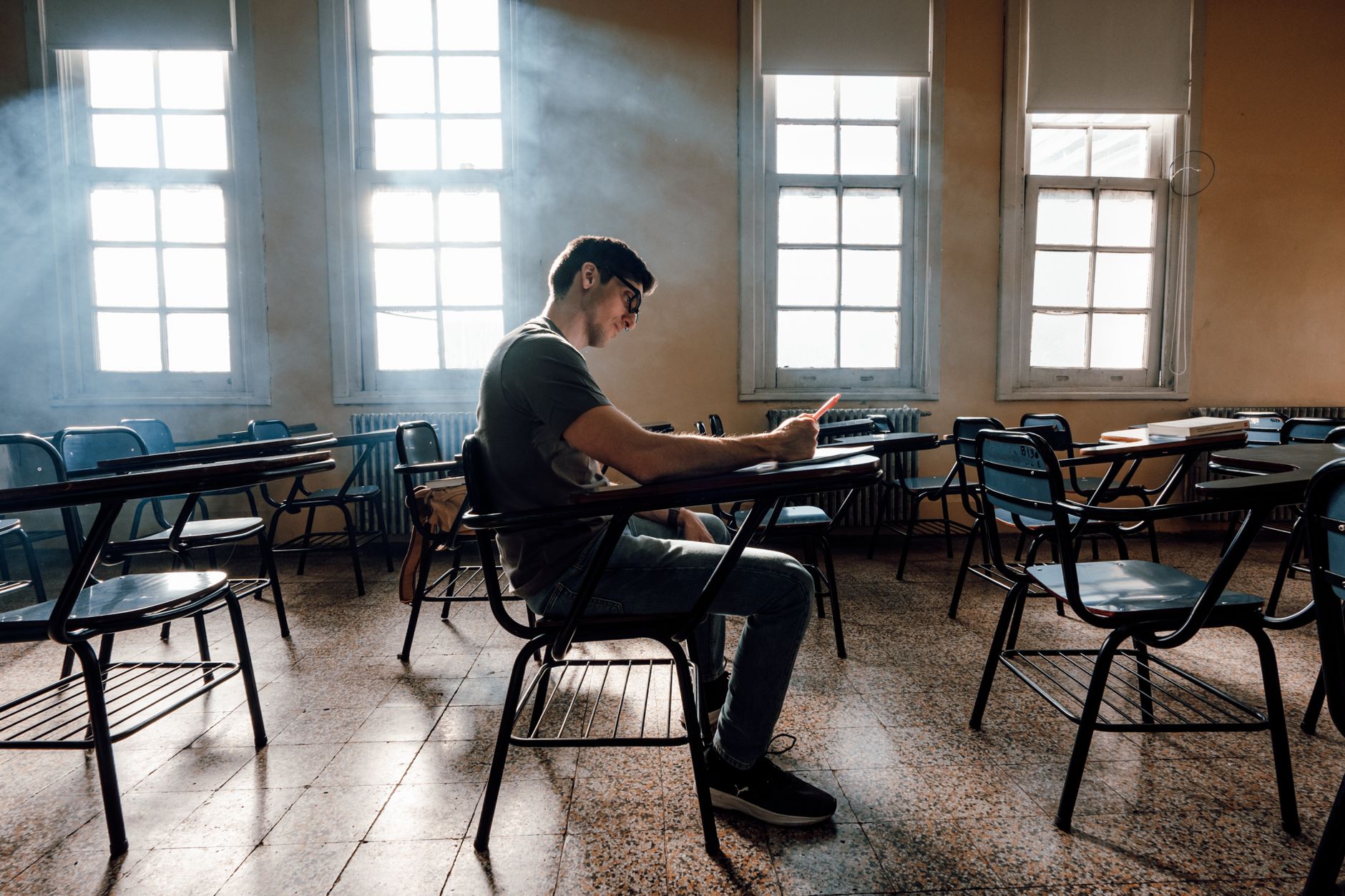
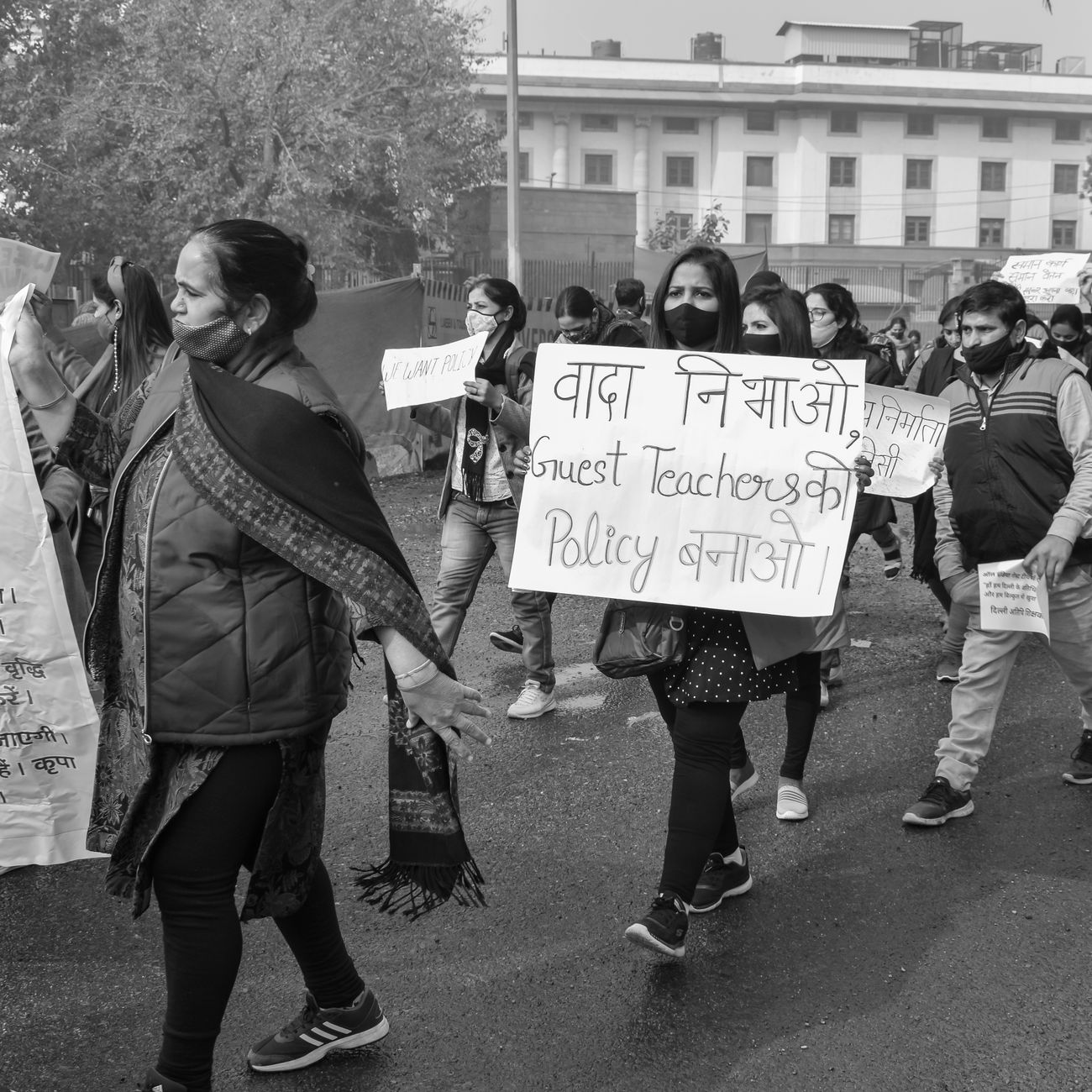
The challenges extend beyond basic literacy and numeracy. Rote learning dominates classrooms, stifling creativity and critical thinking. Infrastructure gaps persist, particularly in rural areas, where schools often lack basic amenities like toilets, libraries, and science laboratories. Teacher absenteeism and inadequate training further compound these problems.
Mandela's Educational Vision
Nelson Mandela's approach to education was rooted in his belief that learning should be transformative, not merely informative. He viewed education as a tool for liberation—both individual and collective. His philosophy emphasized several key principles that remain relevant today.
First, Mandela believed education should cultivate dignity and self-worth. He understood that true learning empowers individuals to recognize their potential and contribute meaningfully to society. Second, he championed education as a means to break cycles of poverty and inequality. Third, he advocated for education that develops critical thinking rather than passive acceptance of information.
Lessons for India's Education System
Focus on Quality Over Quantity
India has made remarkable strides in expanding access to education, with the Right to Education Act ensuring free and compulsory schooling. However, Mandela's wisdom suggests that access without quality is insufficient. The focus must shift toward ensuring that every child not only attends school but actually learns.
This requires investing in teacher training programs that equip educators with modern pedagogical skills. Teachers need support to move beyond textbook recitation toward facilitating active learning, discussion, and problem-solving.
Education for Empowerment
Mandela's vision of education as empowerment challenges India's examination-centric system. Currently, students face immense pressure to score high marks in standardized tests, often at the expense of genuine understanding or skill development. The National Education Policy 2020 acknowledges this issue and proposes reforms, but implementation remains key.
Schools should encourage questioning, debate, and independent thinking. Education must help students understand their rights, develop confidence, and become active citizens rather than passive subjects.
Bridging Inequality
Mandela fought against apartheid's deliberate educational discrimination. India faces its own inequalities—between urban and rural areas, different socioeconomic groups, and genders in some regions. Quality education remains concentrated in elite institutions, while government schools often struggle.
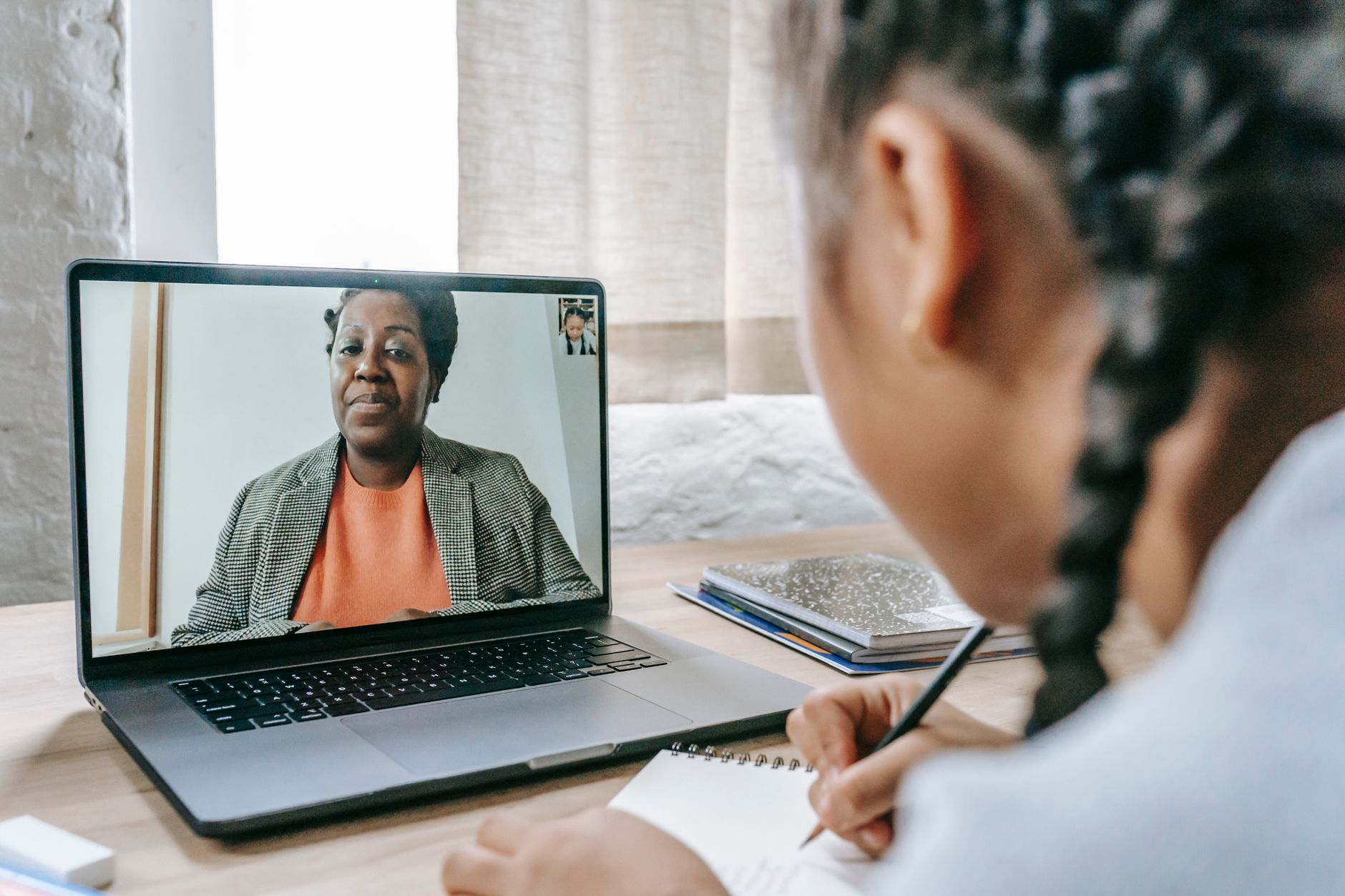
Addressing this requires targeted interventions: better infrastructure in underserved areas, scholarship programs for disadvantaged students, and community involvement in school governance. Technology, if deployed thoughtfully, can help bridge some gaps by providing quality content to remote areas.
Contextual and Relevant Curriculum
Mandela understood that education must be relevant to students' lives and aspirations. India's curriculum often seems disconnected from the realities students face. Incorporating local knowledge, practical skills, and vocational training alongside academic subjects can make education more meaningful.
The integration of traditional knowledge systems with modern science, promotion of regional languages, and emphasis on skills relevant to the local economy can increase engagement and outcomes.
The Path Forward
Implementing Mandela's educational philosophy in India requires political will, sustained funding, and community participation. It demands that policymakers, educators, parents, and students themselves become stakeholders in transformative change.
Education reform cannot happen overnight, but small steps—empowering teachers, reducing emphasis on rote learning, ensuring basic infrastructure, and making curriculum relevant—can accumulate into significant progress. As Mandela demonstrated through his life, transformation requires both vision and persistent effort.
India's education system has the potential to truly change lives and build a more equitable, prosperous nation. By drawing inspiration from Mandela's wisdom while adapting it to Indian contexts, the country can move closer to an education system that genuinely empowers every child, regardless of their background, to reach their full potential.