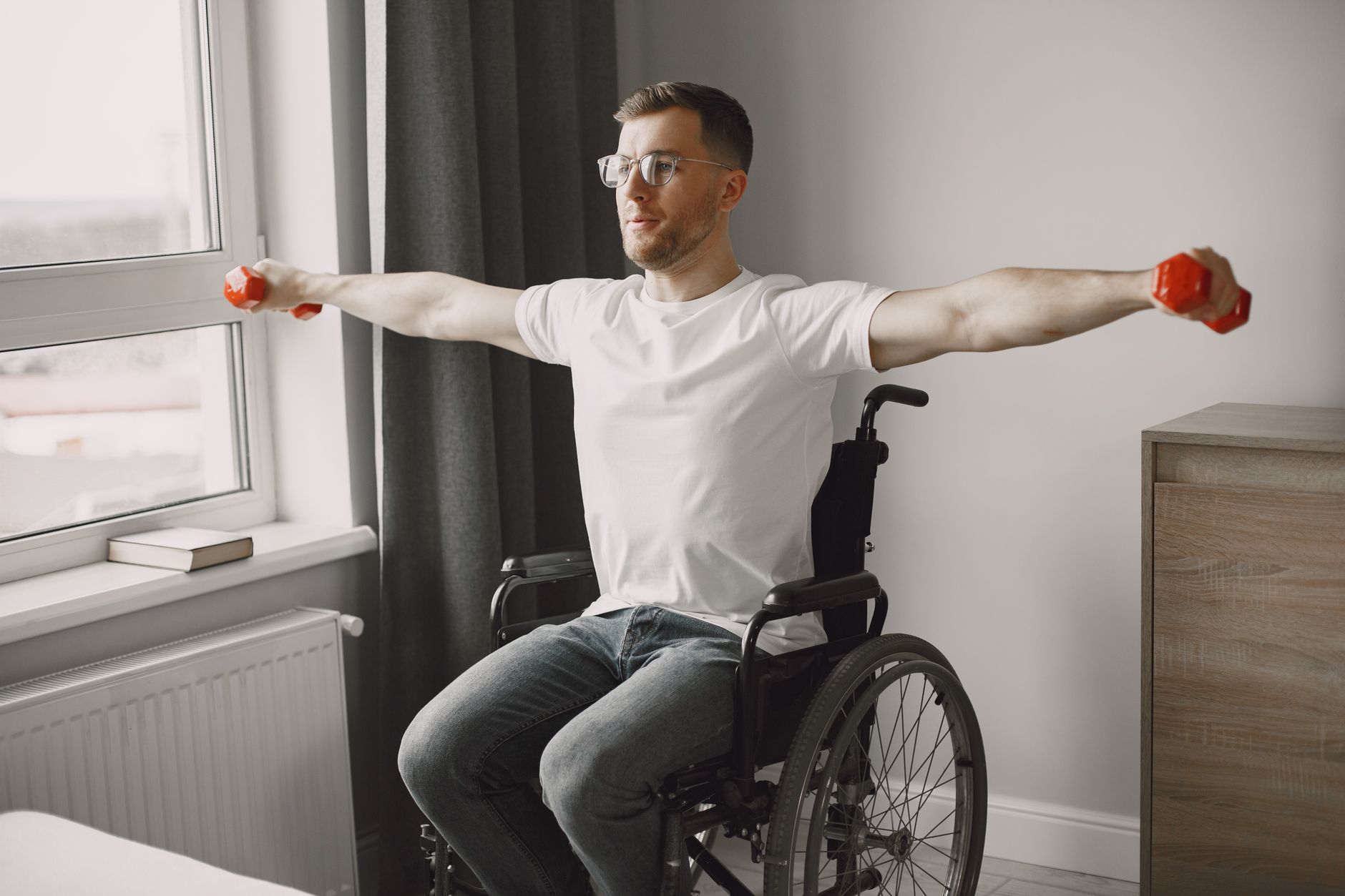
India faces a dual challenge in healthcare: ensuring universal access to quality eye care while simultaneously addressing the needs of people with disabilities. When these two issues intersect, the complexities multiply, yet the solutions become even more critical for building an inclusive society.
The Scope of Eye Health Challenges in India
India carries one of the highest burdens of visual impairment globally, with millions experiencing various degrees of vision loss. Cataracts, refractive errors, glaucoma, and diabetic retinopathy are among the leading causes of blindness and low vision across the country. While significant progress has been made through initiatives like the National Programme for Control of Blindness and Visual Impairment, substantial gaps remain in reaching all populations equally.
People with disabilities often face compounded barriers when seeking eye health services. These individuals may have mobility limitations, communication challenges, cognitive differences, or other conditions that make accessing traditional healthcare facilities difficult or impossible. When eye health services are not designed with these needs in mind, an already vulnerable population becomes further marginalized.
Understanding Disability-Inclusive Healthcare
Disability-inclusive eye health means designing and delivering services that are accessible, affordable, and appropriate for everyone, regardless of their physical, sensory, cognitive, or mental health conditions. This approach recognizes that people with disabilities have the same right to quality healthcare as anyone else, yet they frequently encounter systemic barriers that prevent them from receiving necessary care.
These barriers can be physical, such as buildings without ramps or examination equipment that cannot accommodate wheelchair users. They can be communicational, when healthcare providers lack training in sign language or alternative communication methods. They can also be attitudinal, stemming from misconceptions about the capabilities and needs of people with disabilities.
Why This Matters for Public Health Goals
The VISION 2020 initiative, a global program aimed at eliminating avoidable blindness, cannot achieve its objectives without addressing disability inclusion. People with disabilities are at higher risk for eye health problems due to various factors including underlying health conditions, medication side effects, and reduced access to preventive care.
When eye health services fail to accommodate people with disabilities, the consequences extend beyond individual suffering. Families face increased caregiving burdens, economic productivity declines, and healthcare systems deal with more advanced conditions that could have been prevented or treated earlier with timely intervention.
Key Components of Inclusive Eye Care
Several elements are essential for making eye health services truly inclusive:
- Physical accessibility of clinics and hospitals, including ramps, accessible restrooms, and appropriate signage
- Trained staff who understand how to communicate with and assist people with various disabilities
- Flexible appointment scheduling that accommodates longer consultation times when needed
- Examination equipment that can be adjusted for people with mobility limitations
- Information materials available in multiple formats including large print, braille, and audio
- Affordable services that recognize the economic disadvantages many people with disabilities face
- Outreach programs that bring services to communities rather than requiring everyone to travel to centralized facilities
The Role of Advocacy and Awareness
Organizations advocating for disability-inclusive eye health play a crucial role in changing policies, training healthcare providers, and raising awareness about these issues. Their work helps shift the healthcare sector from a one-size-fits-all model to one that recognizes and accommodates human diversity.
Conferences and public forums focusing on these topics create opportunities for stakeholders including policymakers, healthcare providers, disability rights advocates, and affected communities to collaborate on solutions. They facilitate knowledge sharing about best practices and innovative approaches that have worked in different contexts.
Moving Forward
Achieving disability-inclusive eye health requires commitment at multiple levels. Government policies must mandate accessibility standards and allocate resources for implementation. Medical and nursing education programs need to incorporate disability awareness and inclusive practice training. Healthcare facilities must audit their services and make necessary modifications.
Community-based rehabilitation programs can bridge gaps by providing services closer to where people live and by training local health workers to identify and address eye health needs. Technology also offers promising solutions, from telemedicine that reduces travel requirements to assistive devices that help people with disabilities navigate healthcare systems more independently.
The intersection of eye health and disability inclusion represents both a challenge and an opportunity for India's healthcare system. By ensuring that no one is left behind in accessing essential eye care services, the nation moves closer to its broader goals of universal health coverage and social equity.
This article is for general informational purposes only and does not constitute medical advice. Individuals should consult qualified healthcare professionals for specific medical concerns and treatment options.