India's education system stands at a crossroads. While lawmakers frequently introduce new regulations and stricter compliance measures to address educational shortcomings, these legislative Band-Aids fail to heal the deeper wounds plaguing our schools and universities. The real crisis lies not in the absence of laws, but in the foundational approach to learning itself.
The Limitations of Legislative Solutions
Over the past decades, India has witnessed numerous educational reforms on paper. From the Right to Education Act to various quality control mechanisms for higher education, the regulatory framework has expanded considerably. Yet student outcomes, employability, and genuine learning outcomes remain stagnant or have declined in many regions.
Laws can mandate attendance, infrastructure standards, and teacher qualifications, but they cannot legislate curiosity, creativity, or critical thinking. The fundamental problem is that we continue to treat symptoms while ignoring the disease: an outdated educational philosophy that prioritizes memorization over understanding, conformity over innovation, and examination results over actual learning.
The Rote Learning Trap
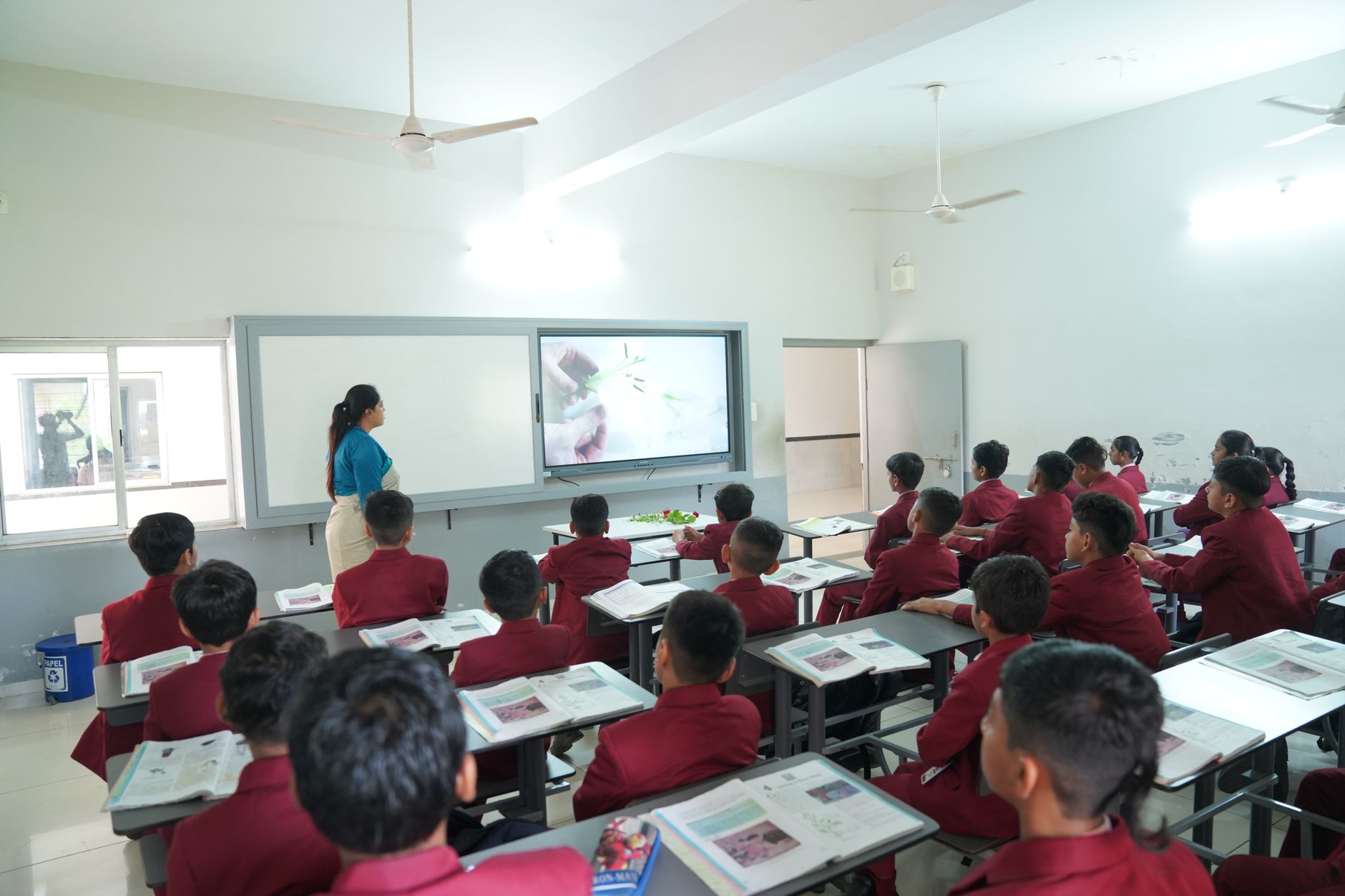
The backbone of Indian education remains rote memorization. Students spend years cramming facts, formulas, and dates without understanding their application or relevance. This approach produces individuals who can recall information temporarily but struggle to apply knowledge in real-world contexts.
Consider the paradox: India produces millions of graduates annually, yet employers consistently complain about the lack of job-ready skills. Engineering graduates cannot solve practical problems. Commerce students struggle with basic financial literacy. Arts graduates lack communication and analytical skills. No amount of stricter examination regulations will address this skills gap.
What Real Reform Looks Like
Genuine educational transformation requires addressing multiple dimensions simultaneously:
- Pedagogical shifts from teacher-centered to student-centered learning approaches
- Curriculum redesign that emphasizes conceptual understanding over fact retention
- Integration of practical skills, vocational training, and experiential learning
- Development of critical thinking, problem-solving, and creativity from primary level
- Regular teacher training programs focused on modern teaching methodologies
- Investment in digital infrastructure and learning resources across rural and urban areas
- Mental health support systems for students facing academic pressure
- Industry partnerships to ensure curriculum relevance to employment markets
The Teacher Training Gap
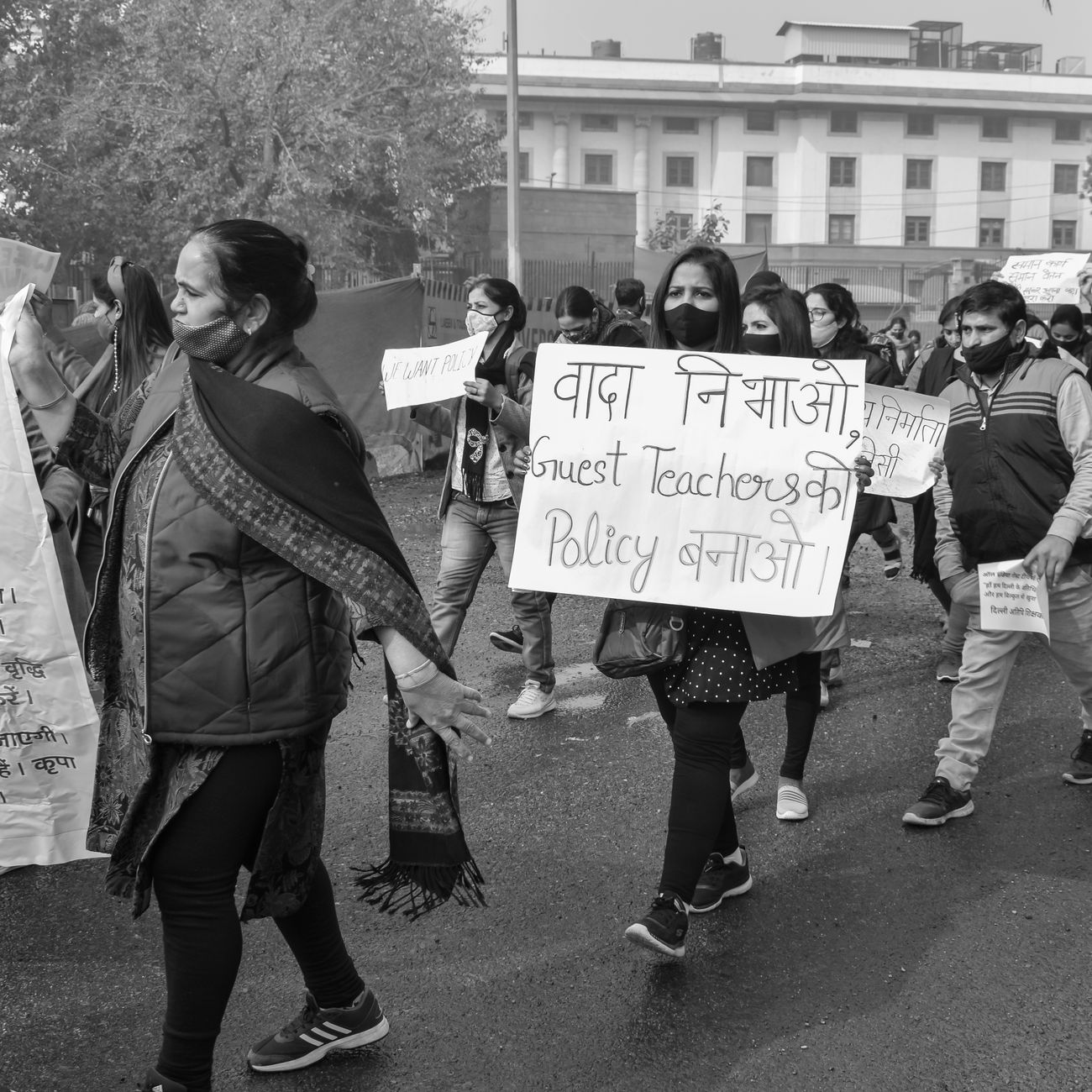
India's teachers, the frontline workers of education, often lack adequate training in modern pedagogy. Many are themselves products of the rote learning system and perpetuate the same methods. While laws may specify qualification requirements, they cannot ensure that teachers possess the skills to inspire, engage, and facilitate learning.
Continuous professional development for teachers should be mandatory and meaningful, not just certificate-collecting exercises. Teachers need exposure to innovative teaching methods, technology integration, and classroom management techniques that promote active learning rather than passive listening.
Infrastructure Beyond Buildings
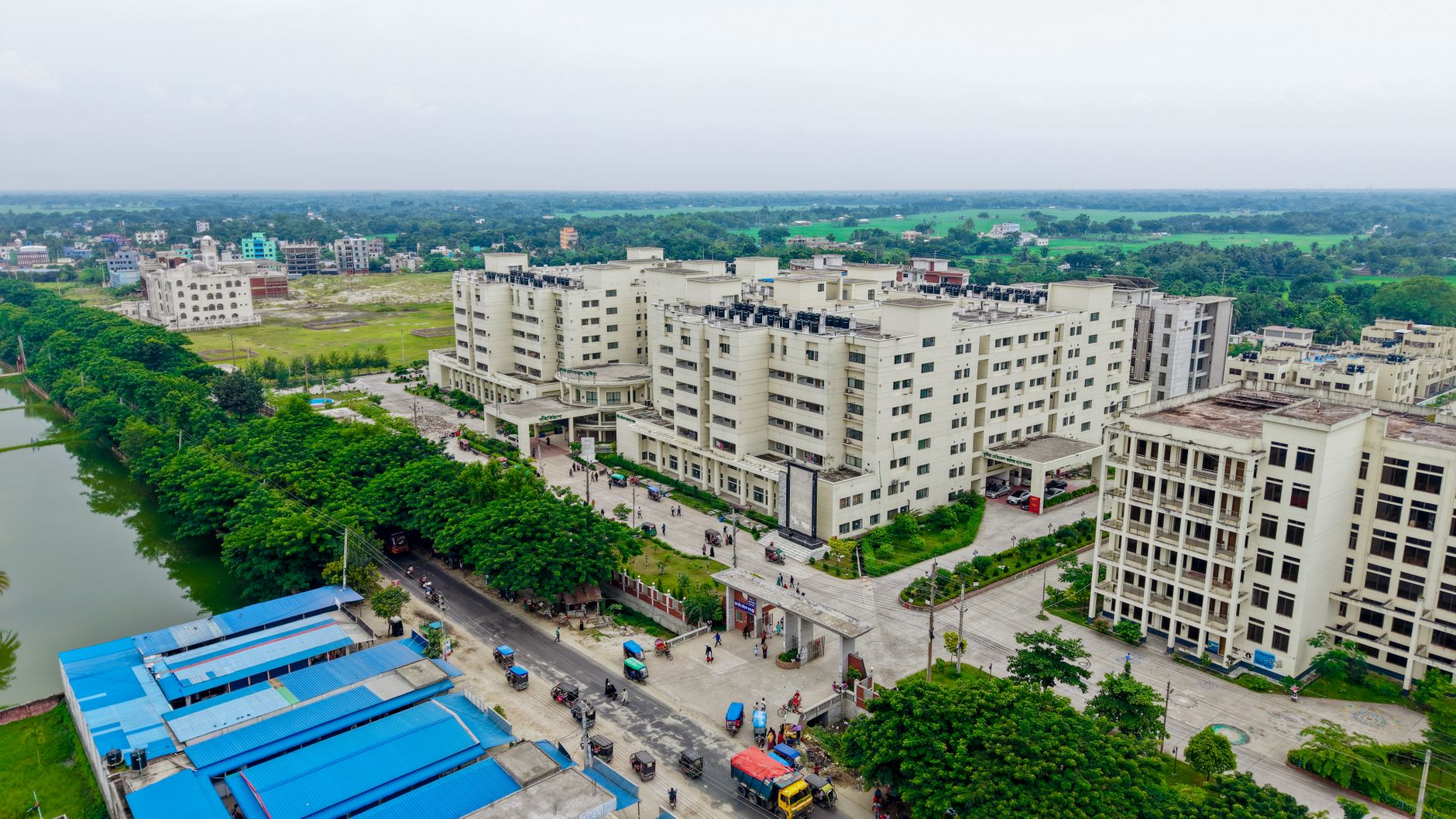
Educational infrastructure is not merely about constructing school buildings. It encompasses libraries with diverse reading materials, science laboratories with functioning equipment, computer facilities with internet connectivity, sports facilities, and safe, inclusive spaces for all students.
Many government schools lack basic amenities like clean drinking water and functional toilets, particularly for girls. Stricter laws mandating infrastructure standards are meaningless without corresponding budgetary allocations and accountability mechanisms for implementation.
The Assessment Problem
India's examination system measures recall ability, not learning. Board examinations and competitive tests incentivize coaching culture and examination techniques rather than deep understanding. Students optimize for marks, not knowledge.
Progressive assessment methods—continuous evaluation, project-based learning, peer assessment, and competency-based progression—remain experimental in most institutions. Until assessment methods change, teaching methods will remain stuck in the past regardless of regulatory mandates.
Beyond English and STEM
The disproportionate focus on English-medium education and STEM subjects undervalues regional languages, arts, humanities, and social sciences. This creates a narrow definition of success and marginalizes diverse talents and interests.
A balanced education system recognizes multiple intelligences and provides pathways for students with varied aptitudes, whether in performing arts, crafts, languages, or social work. Legislation alone cannot create this cultural shift in how we value different forms of knowledge and skill.
The Way Forward
Transforming India's education system requires political will beyond election cycles, sustained investment, stakeholder collaboration, and patience. Quick-fix legislation provides the illusion of action but delivers little substantive change.
We need national conversations involving educators, students, parents, employers, and policymakers to reimagine education for the 21st century. This means accepting that the system that served post-independence India may not serve contemporary or future needs.
The measure of educational success should not be the number of laws passed or regulations enforced, but whether our young people emerge from the system as creative, confident, skilled, and thoughtful citizens ready to navigate an uncertain future.