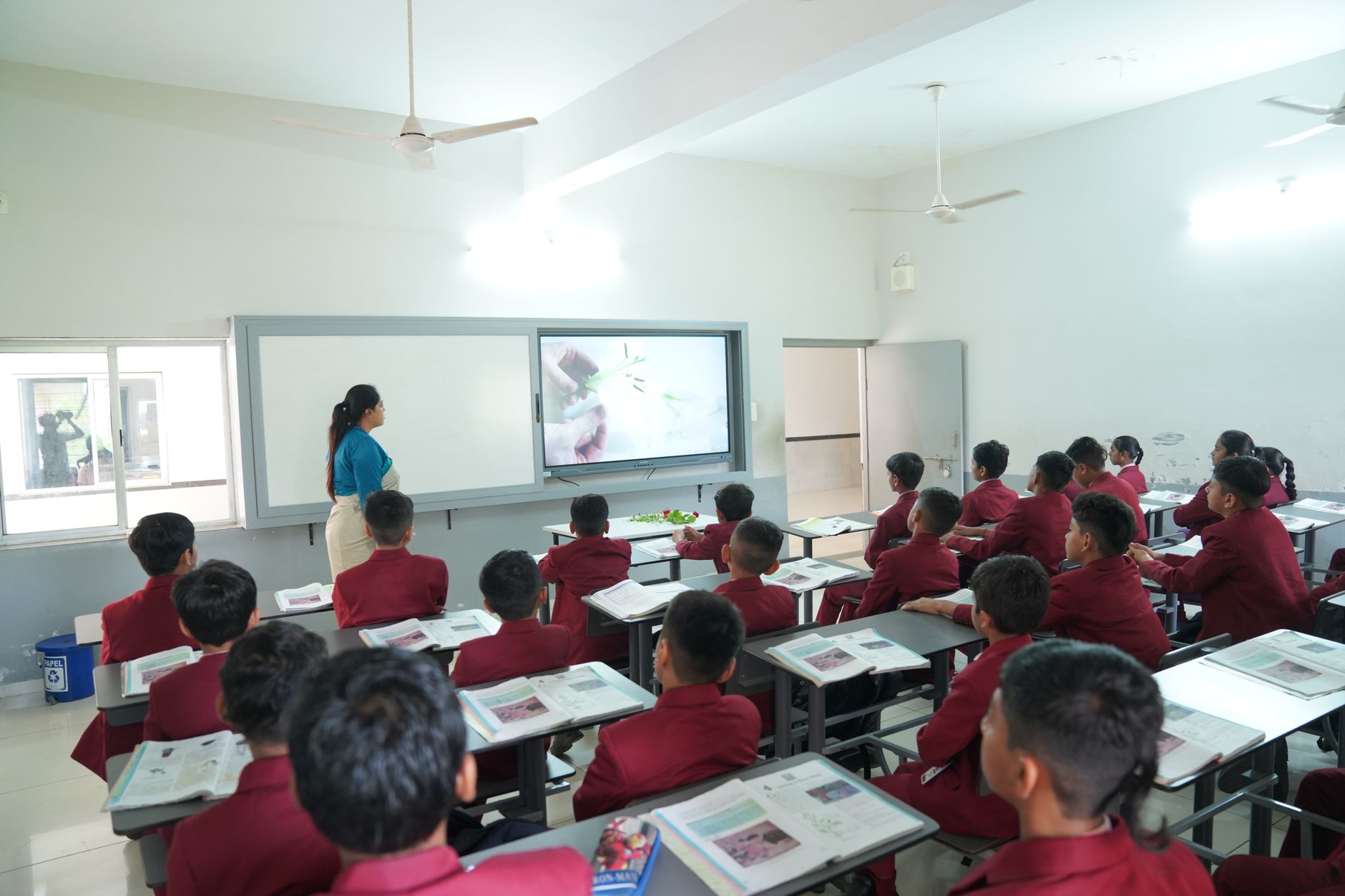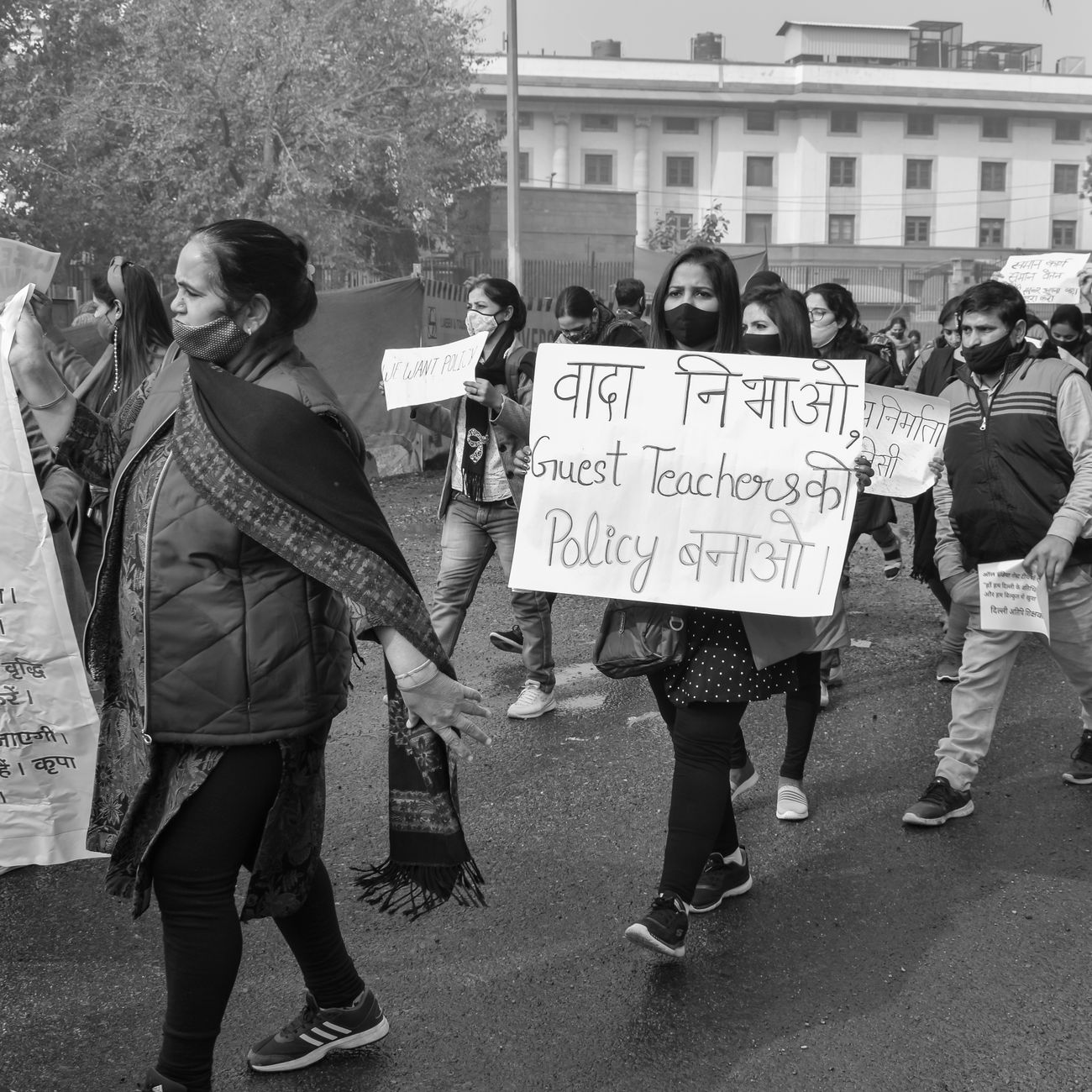
India's education system, serving over 250 million students, stands at a critical juncture. While recent student protests have captured headlines, the government's education reforms represent a far more comprehensive reimagining of how the nation prepares its youth for the future. These changes address fundamental issues that have plagued Indian education for decades.
The Deeper Issues Behind the Reforms
The Indian education system has long struggled with challenges that extend beyond any single controversy. Rote learning remains deeply entrenched, with students often memorizing information without developing critical thinking skills. The rigid stream-based approach forces students as young as 15 to choose between science, commerce, or humanities, limiting interdisciplinary exploration and career flexibility.
Employment outcomes present another concern. Despite producing millions of graduates annually, industry reports consistently highlight skill gaps, with many graduates lacking job-ready competencies. The disconnect between classroom learning and workplace requirements has prompted calls for systemic change rather than incremental adjustments.
Key Components of the Reform Strategy
The reforms introduce several structural changes that distinguish them from previous policy tweaks. The shift toward a multi-disciplinary approach allows students to combine subjects across traditional boundaries, enabling a science student to study arts or a commerce student to explore technology alongside business.
Vocational education integration starting from secondary school aims to reduce the stigma associated with skill-based careers while providing practical pathways for those not pursuing traditional academic routes. This recognition that not every student should follow a college-degree path represents a philosophical shift in Indian education policy.
Assessment methods are evolving beyond high-stakes board examinations. Continuous evaluation, project-based learning, and competency-based assessments aim to reduce exam stress while better measuring actual learning outcomes. These changes acknowledge that a single examination cannot fairly represent a student's capabilities or potential.
Technology and Access Considerations
Digital infrastructure expansion forms a cornerstone of the reform agenda. The pandemic exposed severe digital divides, with rural students often lacking devices or internet connectivity for online learning. Addressing this gap involves not just providing hardware but ensuring consistent electricity supply, teacher training for digital pedagogy, and locally relevant content.
Language policy changes have sparked debate but reflect ground realities. Emphasizing mother-tongue instruction in early years aligns with cognitive research showing children learn better in familiar languages. However, implementation challenges remain in a linguistically diverse nation where English retains economic advantages.
Teacher Development and Quality
No education reform succeeds without addressing teacher quality and working conditions. The reforms propose enhanced teacher training, competitive compensation, and continuous professional development. Recognition that teachers need subject expertise alongside pedagogical skills has prompted curriculum changes in teacher education programs.
Accountability mechanisms aim to balance autonomy with performance standards. While some fear increased bureaucracy, proponents argue that clear quality benchmarks benefit both teachers and students when implemented fairly.
Economic and Social Implications
These reforms carry significant economic implications beyond the education sector. A more skilled workforce could enhance India's competitiveness in global markets, particularly in emerging technology sectors. Reducing unemployment among graduates requires aligning education with economic needs while fostering entrepreneurship and innovation.
Social mobility considerations remain central. Education has historically provided upward mobility for disadvantaged communities, and reforms must ensure equitable access without creating new barriers. Privatization concerns arise when discussing quality improvement, as market-based solutions may exclude those unable to pay.
Implementation Challenges Ahead
Policy announcements differ from ground-level implementation. Infrastructure constraints, bureaucratic inertia, and resistance to change pose real obstacles. State governments vary in capacity and political will to implement central directives, creating potential inconsistencies across regions.
Financial resources represent perhaps the largest constraint. Comprehensive education reform requires sustained investment in infrastructure, teacher salaries, learning materials, and technology. Budget allocations must match ambitious goals.
Looking Forward
India's education reforms reflect recognition that incremental changes cannot address systemic problems. While protests may have accelerated certain decisions, the broader reform agenda addresses fundamental questions about education's purpose in a rapidly changing world.
Success will require sustained commitment beyond political cycles, stakeholder collaboration, and willingness to adapt based on outcomes rather than ideology. The reforms' true test lies not in policy documents but in whether they genuinely improve learning outcomes and life opportunities for India's students across all backgrounds.