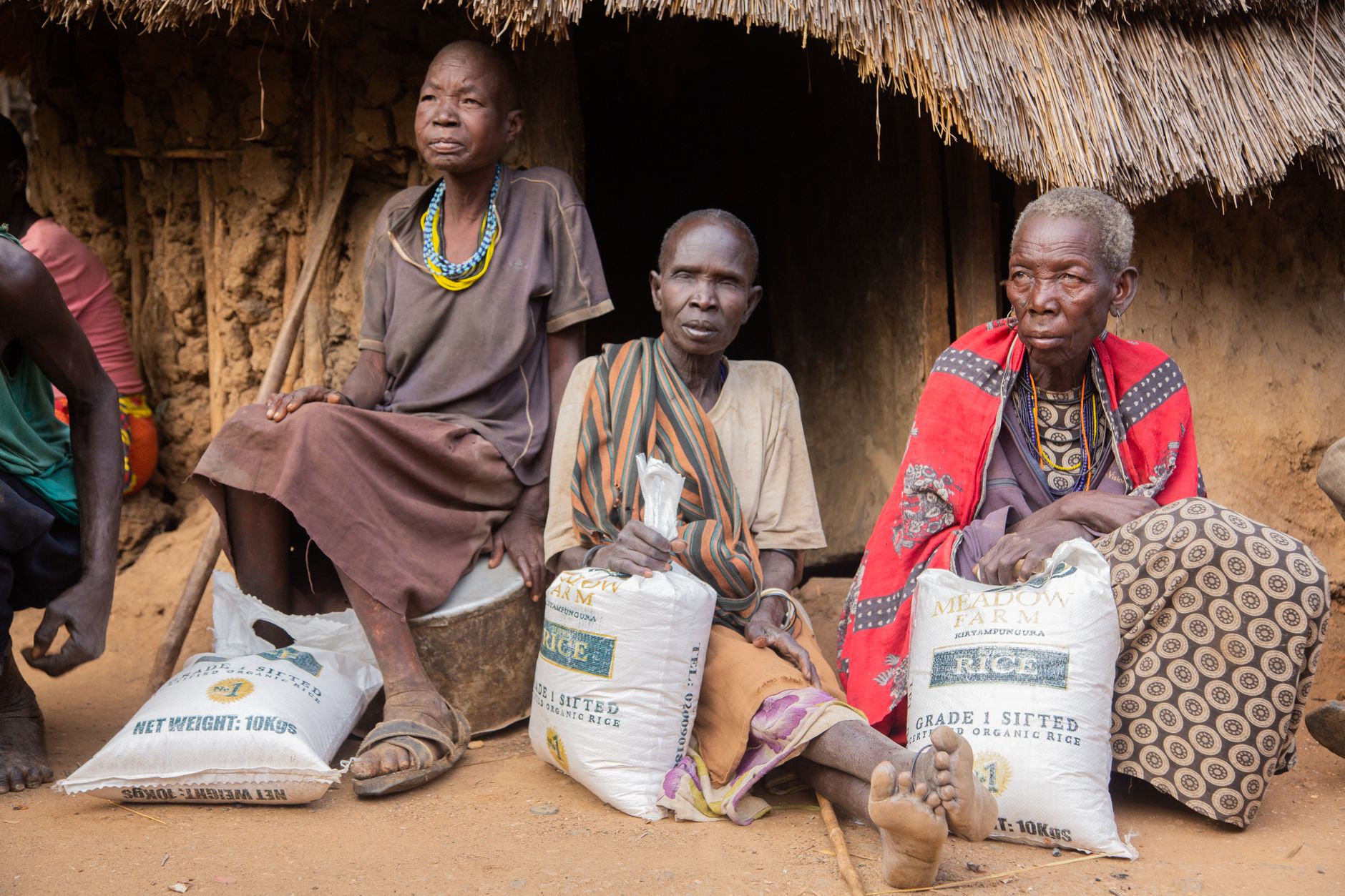
The Public Distribution System (PDS) in India is one of the world's largest food security networks, designed to provide subsidized food grains to millions of households. However, complaints about the quality of ration rice have been persistent across states, raising questions about the effectiveness of this welfare mechanism and its implications for nutrition security and household budgets.
The Procurement and Quality Standards Gap
The quality issues begin at the procurement stage itself. The Food Corporation of India (FCI) and state agencies purchase rice from farmers based on Minimum Support Price (MSP) guidelines. While there are quality standards in place, enforcement remains inconsistent. Farmers sometimes mix different grades of rice, including broken grains and those affected by moisture, to meet quantity targets. The procurement agencies, under pressure to buy large volumes quickly during harvest season, may overlook strict quality checks.
Additionally, the rice procured for PDS is often the common variety rather than premium grades. This is by design to keep costs manageable for the government, but it means the baseline quality is already lower than what consumers might purchase from the open market.
Storage and Transportation Challenges
Once procured, rice must be stored in warehouses before distribution. India's storage infrastructure, while improving, still has significant gaps. Many storage facilities lack proper moisture control, ventilation, and pest management systems. Rice stored for extended periods can develop fungal growth, absorb odors, or become infested with insects.
The transportation network compounds these problems. Rice often travels long distances from surplus states to deficit regions. During transit, exposure to heat, humidity, and inadequate packaging can further degrade quality. Delays in the supply chain mean that rice sitting in godowns for months may already be stale by the time it reaches ration shops.
The Economics of PDS Operations
From an investment and financial perspective, the PDS operates on extremely tight margins. The government subsidizes the difference between procurement costs and issue prices, creating a massive fiscal burden. This economic pressure means that quality improvements often take a backseat to quantity and cost management.
State governments and distribution agencies have limited budgets for quality monitoring infrastructure. Testing facilities, quality inspectors, and modern storage solutions require capital investment that many states struggle to justify when the system already runs at a significant deficit.
Diversion and Substitution Issues
A persistent problem in the PDS is the diversion of better-quality grains to the open market. Unscrupulous dealers may replace good quality rice with inferior stock, selling the better grains for profit. This illegal practice, though reduced through digitization and Aadhaar-linking, still occurs in some areas.
Some dealers also mix old stock with newer arrivals rather than following first-in-first-out principles, ensuring that the oldest, most degraded rice gets distributed while fresher stock remains in storage longer than necessary.
Impact on Household Finances and Nutrition
Poor quality ration rice affects beneficiary households in multiple ways. Families often need to supplement with market purchases, increasing their food budget and defeating the purpose of subsidized grain. Nutritionally, degraded rice loses vitamins and may contain harmful fungal toxins if improperly stored.
- Lower nutritional value affects health outcomes, especially for children and pregnant women
- Unpleasant taste and texture reduce consumption and lead to food waste
- Additional market purchases strain tight household budgets
- Some families sell their ration rice at throwaway prices and buy better quality grain, losing the subsidy benefit
Recent Reforms and Future Outlook
The government has initiated several reforms to address quality concerns. The One Nation One Ration Card scheme improves portability and reduces hoarding. Digitization of ration shops brings more transparency. Some states have introduced quality testing protocols with penalties for non-compliance.
Investment in modern storage infrastructure through private participation and improved packaging standards are gradually being implemented. However, the scale of the PDS means that improvements take time to percolate through the entire system.
For households dependent on PDS, understanding these systemic issues helps in advocating for better implementation. Complaints through grievance redressal mechanisms and community monitoring can push local improvements.
The quality of ration rice ultimately reflects the priorities and efficiency of public food management systems. While complete parity with market quality may be unrealistic given cost constraints, ensuring minimum acceptable standards of freshness, cleanliness, and nutrition should remain a non-negotiable goal for food security policy.
This article is for general informational purposes only and does not constitute professional advice regarding food safety or nutritional choices. Readers should consult relevant authorities for specific concerns about food quality or entitlements.