Prime Minister Narendra Modi's recent emphasis on preventive healthcare and strengthening India's research ecosystem marks a significant policy direction for the nation's healthcare future. This focus comes at a critical juncture when India faces a dual burden of communicable and non-communicable diseases, while simultaneously positioning itself as a global healthcare hub.
The Shift Toward Prevention
Preventive healthcare refers to measures taken to prevent diseases rather than treating them after they occur. This includes regular health screenings, vaccinations, lifestyle modifications, health education, and early detection programs. The Prime Minister's emphasis on this approach reflects a growing recognition that treatment-focused healthcare systems are financially unsustainable and less effective than preventing illness in the first place.
India currently spends approximately 3-4 percent of its GDP on healthcare, significantly lower than many developed nations. Much of this expenditure goes toward treating diseases that have already progressed to advanced stages. By shifting focus to prevention, the country could potentially reduce the burden on hospitals, lower healthcare costs for families, and improve overall quality of life for millions.
Current Health Challenges Facing India
India's health landscape presents unique challenges that make preventive healthcare particularly important. The country is experiencing a rapid rise in lifestyle diseases such as diabetes, hypertension, heart disease, and obesity. According to various health studies, India is often called the diabetes capital of the world, with tens of millions affected by the condition.
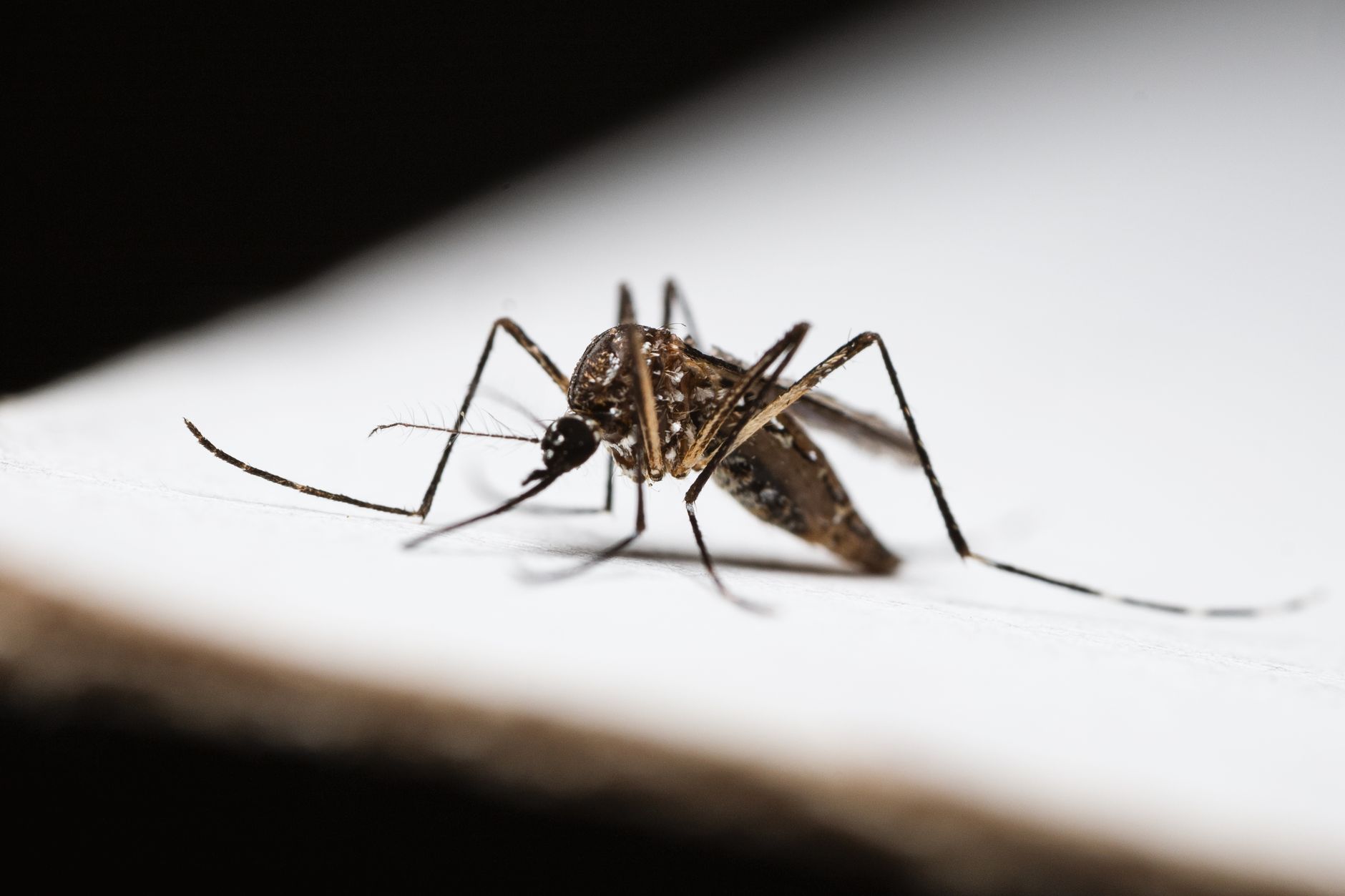
Simultaneously, communicable diseases like tuberculosis, malaria, and dengue continue to affect large populations, particularly in rural areas. This double burden strains healthcare infrastructure and makes a compelling case for preventive measures that can address both categories of illness.
Why Research Ecosystem Matters
The emphasis on strengthening India's research ecosystem is equally crucial. A robust research infrastructure enables the country to develop indigenous solutions to health challenges, reduce dependence on imported medical technologies, and contribute to global medical knowledge.
India has demonstrated its research capabilities during the COVID-19 pandemic, developing indigenous vaccines and supporting large-scale clinical trials. Building on this success requires sustained investment in research institutions, incentives for innovation, and collaboration between government, academia, and private industry.
Key Components of Preventive Healthcare
- Regular health screenings and early disease detection programs
- Vaccination drives covering children and adults
- Public awareness campaigns about nutrition, exercise, and healthy lifestyle choices
- Workplace wellness programs and occupational health initiatives
- Mental health awareness and stress management programs
- Environmental health measures including clean water and sanitation
- Community health worker programs reaching remote areas
Economic Benefits of Prevention
Preventive healthcare makes strong economic sense. Studies consistently show that investing in prevention yields significant returns by reducing treatment costs, improving productivity, and decreasing disability. For families, preventing disease means avoiding catastrophic health expenditures that push millions into poverty each year.
For the nation, a healthier population translates to higher workforce productivity, reduced absenteeism, and greater economic growth. Children who receive proper nutrition and preventive care perform better in school, creating long-term human capital benefits.
The Role of Technology
Digital health technologies offer unprecedented opportunities for preventive healthcare in India. Telemedicine platforms can reach remote populations, wearable devices can monitor vital signs continuously, and artificial intelligence can identify disease risks before symptoms appear. Mobile health apps can provide personalized health advice and track wellness metrics.
The government's digital health initiatives, including the creation of health IDs and digital health records, support this preventive approach by enabling better tracking of individual health status over time.
Implementation Challenges
Despite the clear benefits, implementing widespread preventive healthcare faces several obstacles. These include limited health infrastructure in rural areas, shortage of trained healthcare workers, low health literacy among populations, and the need for sustained behavior change. Additionally, preventive services often compete with urgent treatment needs for limited healthcare budgets.
Success requires coordinated efforts across multiple sectors including education, agriculture, urban planning, and environment, since health outcomes depend on factors well beyond the healthcare system itself.
Moving Forward
The Prime Minister's emphasis on preventive healthcare and research represents a vision for a healthier, more prosperous India. Achieving this vision requires sustained political commitment, adequate funding, community participation, and innovative approaches tailored to India's diverse contexts. As the country continues developing, prioritizing prevention over cure could prove to be one of the most impactful policy decisions for current and future generations.
This article is for general informational purposes only and should not be considered as medical advice. Readers should consult qualified healthcare professionals for specific health concerns and treatment recommendations.