India stands at a critical juncture in its healthcare journey. While the country has made remarkable strides in medical infrastructure and treatment capabilities, a fundamental shift in approach is urgently needed. The emphasis must move from treating diseases after they occur to preventing them in the first place.
The Current Healthcare Challenge
India's healthcare system is increasingly strained by a dual burden. On one hand, infectious diseases like tuberculosis, dengue, and malaria continue to affect millions. On the other, lifestyle-related conditions such as diabetes, hypertension, and heart disease are rising at alarming rates. According to health experts, over 60% of deaths in India are now attributed to non-communicable diseases.
The treatment-focused model requires massive resources. Hospital beds fill quickly, healthcare costs spiral, and families face financial devastation from medical emergencies. Meanwhile, many of these conditions could be prevented or managed more effectively through early intervention and lifestyle modifications.
What Prevention Really Means
Prevention in healthcare operates at multiple levels. Primary prevention stops diseases before they start through measures like vaccination, clean water access, proper sanitation, and health education. Secondary prevention involves early detection through screenings and regular check-ups, catching problems when they're most treatable. Tertiary prevention manages existing conditions to prevent complications.
In the Indian context, prevention must address several fronts simultaneously:
- Improving public sanitation and access to clean drinking water in rural and urban slum areas
- Expanding vaccination coverage beyond childhood to include adult immunizations
- Promoting awareness about healthy diets and regular physical activity
- Conducting widespread screening programs for diabetes, hypertension, and common cancers
- Reducing air pollution and environmental health hazards
- Addressing tobacco and alcohol consumption through policy and education
The Economic Case for Prevention
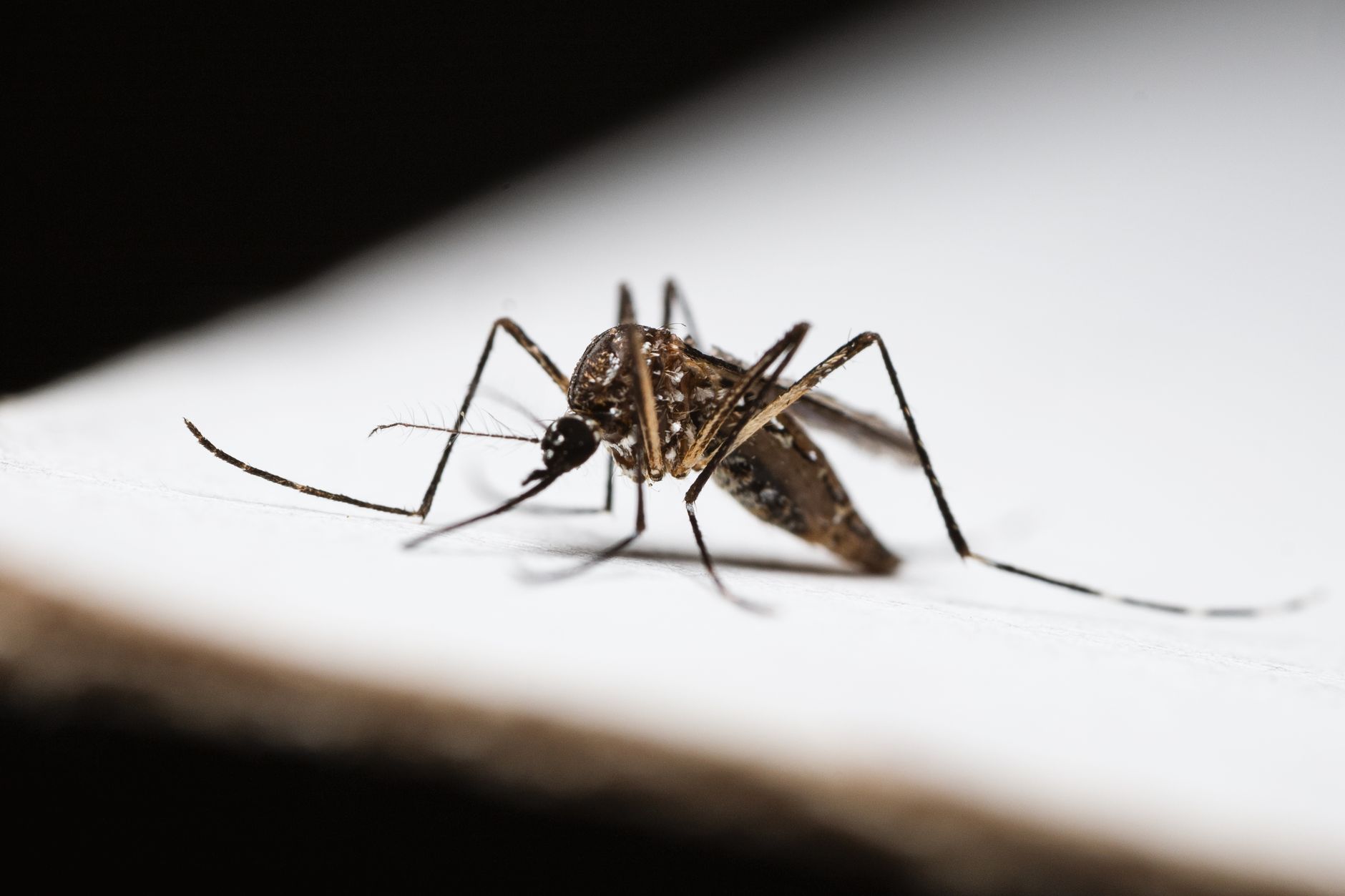
The financial argument for prevention is compelling. Treating advanced diabetes complications can cost families lakhs of rupees annually, while preventing or managing early-stage diabetes through diet, exercise, and basic medication costs a fraction of that amount. Similarly, preventing dengue through mosquito control and awareness is far cheaper than treating severe cases requiring hospitalization.
Studies from various countries show that every rupee invested in prevention saves multiple rupees in treatment costs. For a developing economy like India, where out-of-pocket healthcare expenses push millions into poverty each year, prevention represents not just a health strategy but an economic imperative.
Barriers to Prevention
Despite its obvious benefits, prevention faces several challenges in India. Healthcare systems are designed and funded primarily for treatment. Doctors are trained to diagnose and treat rather than counsel and prevent. Insurance schemes typically cover hospitalizations but not preventive check-ups or lifestyle counseling.
Public awareness remains limited, particularly in rural areas. Many people only visit doctors when symptoms become severe. The concept of regular health screenings or preventive check-ups hasn't become part of mainstream health-seeking behavior.
The Way Forward
Transforming India's healthcare approach requires coordinated action across multiple sectors. The government must invest in preventive infrastructure, from primary health centers conducting regular screenings to public health campaigns addressing lifestyle factors. School curricula should include comprehensive health education, teaching children about nutrition, exercise, and disease prevention from an early age.
Digital health technologies offer unprecedented opportunities. Mobile apps can remind people about screenings, track health metrics, and provide personalized health advice. Telemedicine can bring preventive counseling to remote areas where specialist access is limited.
Workplace wellness programs should become standard, encouraging regular health check-ups and promoting healthier lifestyles among working adults. Insurance products need redesigning to incentivize prevention, perhaps offering premium discounts for regular check-ups and healthy lifestyle choices.
Community and Individual Responsibility
While systemic changes are crucial, individual and community action matters enormously. Simple measures like regular exercise, balanced diets, avoiding tobacco, moderating alcohol, managing stress, and getting adequate sleep can prevent most lifestyle diseases. Communities can organize health awareness camps, group exercise activities, and support networks for healthy living.
The path to better health in India lies not in building more hospitals or importing advanced treatment technologies, though these have their place. It lies in preventing diseases before they start, catching them early when they're manageable, and empowering people with knowledge and tools to take charge of their health.
**Disclaimer:** This article is for general informational purposes only and should not be considered medical advice. Always consult qualified healthcare professionals for personal health concerns and before making significant lifestyle changes.