Primary healthcare represents the first point of contact between individuals and the healthcare system. In India, where a population of over 1.4 billion people requires medical services, this initial layer of care becomes not just important but absolutely critical to the nation's overall health security.
What Makes Primary Healthcare Essential
Primary healthcare encompasses basic medical services provided at the community level, including health centres, dispensaries, and clinics. These facilities handle common illnesses, preventive care, vaccinations, maternal and child health services, and health education. Rather than waiting for diseases to become severe enough to require hospital admission, primary healthcare catches health issues early when they are easier and less expensive to treat.
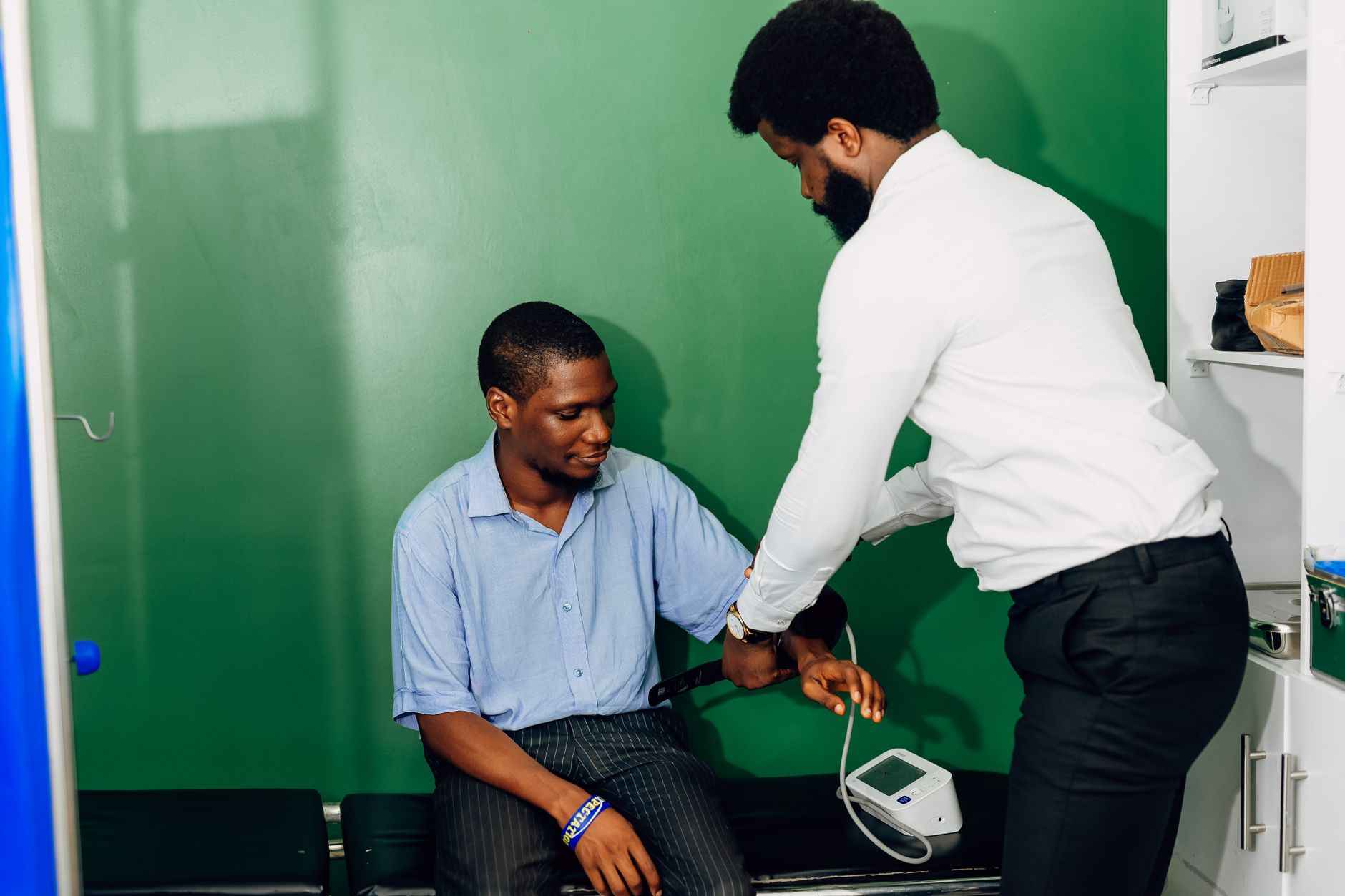
The concept follows a simple but powerful logic: preventing a disease costs far less than treating its complications. A patient who receives blood pressure monitoring and lifestyle counselling at a primary health centre may never need expensive cardiac surgery. A child who gets timely vaccinations avoids diseases that could lead to long-term disabilities requiring costly interventions.
The Ground Reality in India
India's primary healthcare infrastructure consists of Sub-Centres, Primary Health Centres, and Community Health Centres spread across urban and rural areas. These facilities are designed to serve defined populations, bringing healthcare closer to where people live and work.
In rural India, where approximately 65% of the population resides, primary healthcare centres often represent the only accessible medical facility within reasonable distance. For millions of Indians, these centres provide essential services that would otherwise remain out of reach due to distance, cost, or lack of awareness about available options.
Disease Prevention at Scale
Primary healthcare excels at population-level health management. Through systematic vaccination programs, India has eliminated diseases like polio and drastically reduced cases of measles, tetanus, and other preventable conditions. This success demonstrates how effective primary care can be when properly implemented.
Regular health screenings conducted at primary centres help identify diabetes, hypertension, tuberculosis, and other chronic conditions before they progress to dangerous stages. Early detection translates to better outcomes and significantly lower treatment costs for both patients and the healthcare system.
Reducing Hospital Burden
Tertiary care hospitals in Indian cities face overwhelming patient loads, with people traveling hundreds of kilometers for treatment of conditions that could have been managed locally. This congestion occurs partly because primary healthcare infrastructure remains underutilized or inadequately equipped in many areas.
When primary healthcare functions effectively, it filters cases appropriately. Minor ailments get treated at the local level, while genuinely complex cases receive timely referral to higher facilities. This system ensures that specialist doctors and advanced hospital resources focus on patients who truly need them.
Economic Impact
Healthcare expenses represent a major cause of poverty in India, pushing families into debt when serious illnesses strike. Primary healthcare provides an economic buffer by offering affordable or free basic services. Spending a small amount on preventive care and early treatment prevents the catastrophic expenses associated with advanced disease management.
For the national economy, a healthy population means higher productivity, reduced absenteeism, and lower overall healthcare expenditure. Investment in primary healthcare yields returns that far exceed the initial costs.
Current Challenges
Despite its importance, India's primary healthcare system faces significant challenges. Many centres suffer from staff shortages, inadequate infrastructure, irregular medicine supplies, and lack of diagnostic equipment. In some areas, primary health centres exist only on paper, while in others, they remain understaffed or poorly maintained.
Building trust also presents a challenge. Many people bypass primary centres entirely, preferring to visit private clinics or travel directly to city hospitals, believing they will receive better care. This perception, sometimes justified by past experiences, undermines the system's effectiveness.
The Path Forward
Strengthening primary healthcare requires sustained investment in infrastructure, equipment, and human resources. Training more doctors, nurses, and health workers specifically for primary care roles can address staffing gaps. Improving medicine supply chains ensures that centres can actually treat the conditions they diagnose.
Technology integration offers promising solutions. Telemedicine can connect primary centres with specialist doctors for consultations, while digital health records enable better tracking of patient histories and community health trends. Mobile health units can extend services to remote areas where establishing permanent facilities proves difficult.
Community participation also matters. When local populations understand and trust their primary healthcare facilities, utilization increases, creating a positive feedback loop that justifies further investment and improvement.
Primary healthcare represents India's most cost-effective tool for building a healthier nation. By catching diseases early, preventing complications, and keeping people healthy rather than merely treating sickness, this foundational layer of care delivers benefits that ripple through society. Recognizing and strengthening this first line of defence will determine how successfully India manages the health challenges of its vast and growing population.
This article provides general information about healthcare systems and should not be considered medical advice. Always consult qualified healthcare professionals for personal health concerns and treatment decisions.