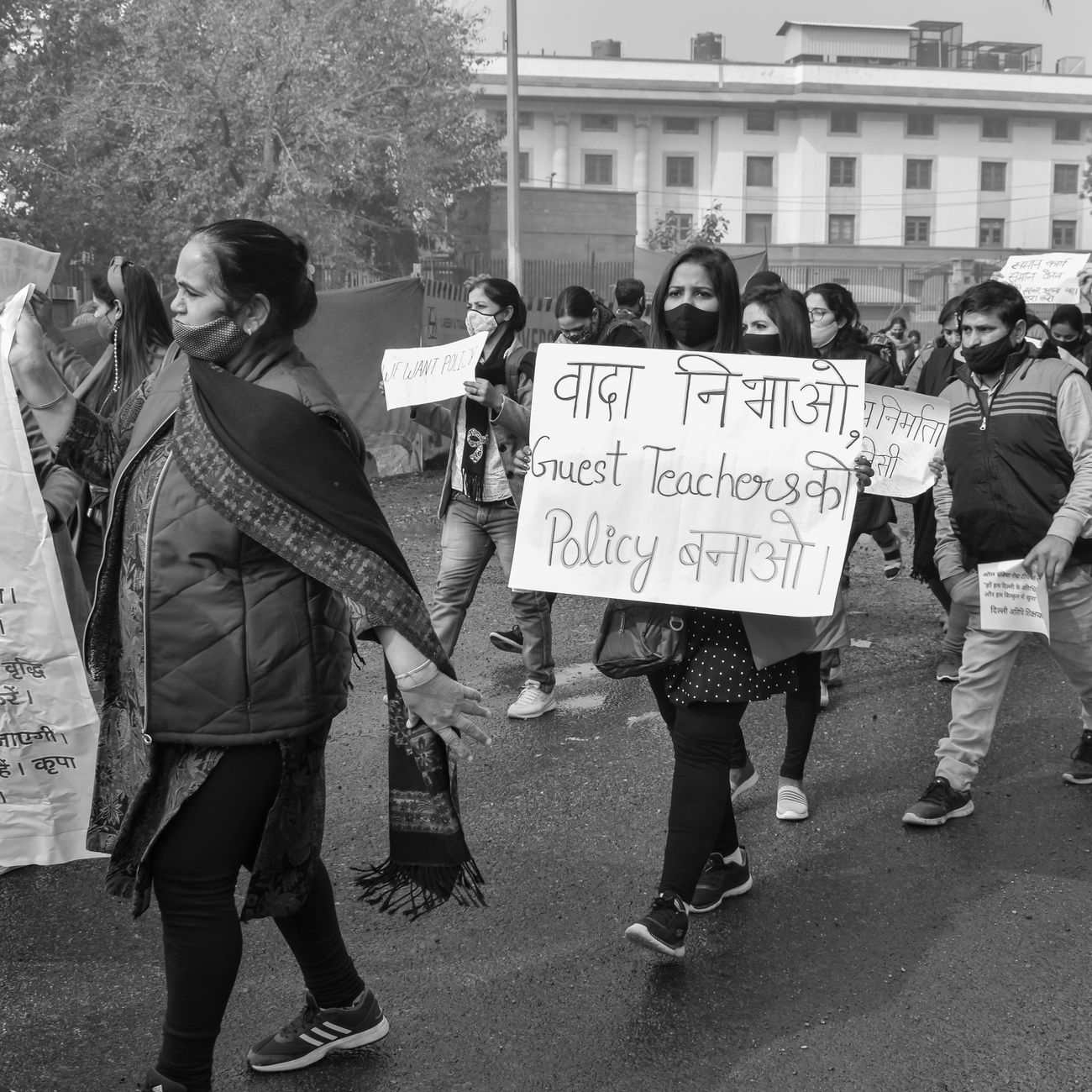
Across India, young people are taking to the streets, demanding better educational infrastructure, more opportunities, and increased government spending on schools and universities. Their frustration stems from a reality that data increasingly confirms: many Indian states have steadily reduced their investment in education over the past twelve years, creating a crisis that affects both current students and future generations.
The Declining Share of Education Budgets
State governments in India traditionally bear the primary responsibility for school education, while higher education is shared between states and the central government. Over the past decade, however, numerous states have allocated a shrinking proportion of their total expenditure to education, even as their overall budgets have grown.
This decline isn't necessarily about absolute numbers always falling, though in some cases they have. More commonly, education spending has failed to keep pace with inflation, population growth, and increasing demand for quality education. When a state's total budget grows by 15 percent but education spending rises by only 5 percent, the sector effectively receives less priority and fewer resources relative to other government functions.
Why States Are Spending Less
Several factors have contributed to this trend. Many state governments face mounting fiscal pressures from various directions. Subsidies for electricity, water, and agriculture consume large portions of budgets. Debt servicing has increased for states that borrowed heavily in previous years. Additionally, populist welfare schemes, while politically popular, often divert funds from long-term investments like education.
The COVID-19 pandemic exacerbated these challenges. States had to redirect resources toward healthcare infrastructure and pandemic relief measures, often at the expense of education budgets. Even as economies have recovered, many states have not restored education funding to pre-pandemic levels relative to their total spending.
Furthermore, some states have relied increasingly on central government schemes and centrally-sponsored programs for educational initiatives, potentially viewing this as justification to reduce their own direct investments.
Real-World Impacts on Students
The consequences of reduced education expenditure are far-reaching and deeply personal for millions of young Indians:
- Deteriorating infrastructure with classrooms lacking basic maintenance, broken furniture, and inadequate sanitation facilities
- Teacher shortages leading to overcrowded classrooms and reduced individual attention for students
- Insufficient learning materials including outdated textbooks, limited library resources, and lack of digital tools
- Reduced scholarship programs making higher education financially inaccessible for disadvantaged students
- Minimal investment in skill development and vocational training programs
- Poor quality of mid-day meal schemes affecting student nutrition and attendance
In higher education, public universities struggle with outdated laboratories, limited research funding, and inability to attract top faculty due to budget constraints. This pushes students toward private institutions, which many families cannot afford, effectively limiting educational opportunities based on economic status rather than merit.
Regional Disparities
The decline hasn't been uniform across India. Some states have maintained or even increased their education spending, recognizing it as crucial for long-term economic development and social progress. These states often show better educational outcomes, higher literacy rates, and improved employability of graduates.
However, states already struggling with lower literacy rates and educational infrastructure have often cut spending the most, widening the gap between India's best and worst-performing regions. This creates a troubling cycle where states most needing educational investment are least able or willing to provide it.
The Economic Argument for Education Investment
Economists consistently demonstrate that education spending generates substantial returns. An educated workforce attracts investment, drives innovation, and increases productivity. Countries and regions that invest heavily in education typically see higher economic growth rates over time.
For India to achieve its ambitions of becoming a developed nation and leveraging its demographic dividend, investing in education isn't optional—it's essential. Young Indians entering the workforce need skills relevant to modern economies, from digital literacy to critical thinking.
What Students Are Demanding
The youth protests reflect frustration with broken promises and diminishing opportunities. Students are calling for states to allocate at least the recommended 6 percent of GDP to education, ensure transparent budget utilization, modernize curriculum and infrastructure, increase scholarship availability, and create more seats in quality public institutions.
These aren't unreasonable demands. They represent basic requirements for an education system that can prepare young people for productive futures and help India compete globally.
The question now is whether state governments will respond to these protests by reversing the trend of declining education investment, or whether young Indians will continue facing an underfunded system that limits their potential and the nation's progress.